Few things feel more frustrating than turning up the heat and getting a chilly blast from the vents. If you are dealing with a furnace blowing cold air, it does not always mean the furnace is broken, but it does mean something in the heating cycle is not working the way it should. In Ontario winters, even a short period of furnace blowing cold air can drop indoor comfort fast, especially overnight or during a cold snap.
This guide from MACKAY Heating & Cooling breaks down the most common causes of furnace blowing cold air, what you can safely check at home, and when it is time to call a pro. You will also see service names like Furnace, HVAC Services, Heat Pump, Air Conditioning, Indoor Air Quality, Boiler, Water Heater, and Mini Split so you can add internal links where you want.
The Most Common Reasons A Furnace Blowing Cold Air Happens
When a homeowner says furnace blowing cold air, the real issue is usually one of three things: the furnace is not producing heat, the heat is being interrupted mid-cycle, or the warm air is being diluted or lost before it reaches your rooms. In many cases, the furnace is trying to heat, but a safety control shuts it down, a sensor misreads conditions, or airflow problems stop the heat exchanger from operating normally. Because Ontario homes run their heating systems for long hours, small issues can show up suddenly as furnace blowing cold air even if everything seemed fine last week.
Another important point is timing. A furnace blowing cold air during startup, between cycles, or right after the burner turns off can be normal for a moment, but sustained furnace blowing cold air usually signals a problem. The troubleshooting approach is to identify whether the burners are lighting, whether the blower is running at the right time, and whether airflow and venting are safe and unobstructed.
Thermostat Settings And Fan Mode Problems
One of the simplest causes of furnace blowing cold air is the thermostat fan setting. If your fan is set to ON, the blower can run continuously even when the furnace is not actively heating, which can feel like furnace blowing cold air because it is pushing room-temperature air through the vents. Set the fan to AUTO so the blower runs mainly during a heating cycle, then monitor whether the furnace blowing cold air problem disappears or becomes less frequent.
Dirty Filters And Restricted Airflow
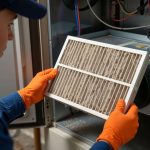
A clogged filter can trigger furnace blowing cold air by restricting airflow so much that the furnace overheats and trips a safety limit switch. When the limit switch trips, the burner shuts off but the blower often keeps running to cool the system, which feels exactly like furnace blowing cold air. Replacing the filter can restore airflow, prevent overheating, and reduce the chances of furnace blowing cold air returning during peak winter operation.
Ignition Or Flame Problems
If the burners are not lighting consistently, you may experience furnace blowing cold air because the blower is running but there is no heat being produced. Modern systems can shut down quickly if the flame sensor is dirty, if ignition components are failing, or if gas supply or venting issues prevent stable combustion. In these cases, furnace blowing cold air is a symptom of a no-heat condition that should be diagnosed by a qualified technician.
Overheating And Short Cycling
If your furnace heats for a short time then shuts off repeatedly, you may get furnace blowing cold air between short heating bursts. Overheating is commonly caused by restricted airflow, closed vents, dirty blower components, or duct issues that prevent proper return airflow. A short cycling furnace is also harder on parts, so repeated furnace blowing cold air episodes are worth addressing quickly.
Condensate Drain Or High Efficiency Furnace Issues
High-efficiency furnaces produce condensate, and a clogged drain, frozen line, or pressure switch issue can interrupt heating. When the furnace cannot complete its cycle safely, you can end up with furnace blowing cold air as the blower runs or the system attempts retries. In Ontario winters, condensate lines can freeze if routing or protection is not ideal, making furnace blowing cold air appear during the coldest weeks.
Duct Leaks, Return Air Problems, Or Cold Basement Air
Sometimes furnace blowing cold air is not the furnace itself, but the duct system. Leaky ducts in a cold basement or crawlspace can lose heat before air reaches the rooms, or return leaks can pull in cold air and mix it with supply air. That can make it feel like furnace blowing cold air even when the furnace is heating normally, especially in far rooms, upper floors, or additions.
Safe First Checks You Can Do At Home
If your furnace blowing cold air and you want quick answers, start with checks that do not require opening sealed compartments or working with gas or electrical components. First, confirm the thermostat is set to HEAT, the temperature is higher than the room temperature, and the fan is set to AUTO. Next, check the filter and replace it if it looks dusty or clogged. Many furnace blowing cold air calls in winter come down to airflow and filter issues, and fixing those early can prevent repeat problems.
Also walk through the home and confirm supply vents are open and not blocked by rugs or furniture, and confirm return vents are not covered. Restricted airflow can trigger overheating and produce furnace blowing cold air by shutting the burner down while the blower keeps running. If you recently changed thermostat settings, renovated, or closed multiple vents to “push heat” elsewhere, that can unintentionally increase the risk of furnace blowing cold air by upsetting airflow balance.
Quick Troubleshooting Steps In Order
To narrow down furnace blowing cold air safely, listen to the furnace sequence. You should typically hear the system start, then a burner ignition sequence, then warm air after a short delay once the heat exchanger is warm. If you never hear ignition, or if it lights briefly then shuts down, that points toward a combustion or sensor issue. If it heats for a bit and then switches to cool airflow, that often points toward overheating and a limit switch trip, which is a common furnace blowing cold air pattern.
If you reset the furnace power and it runs for a short time then the furnace blowing cold air returns, do not keep cycling it repeatedly. Repeated resets can mask the root cause and increase wear. At that point, it is smarter to schedule Furnace service through HVAC Services and get the system inspected properly.
What Not To Do
Avoid opening sealed burner areas, bypassing safety switches, or attempting to clean sensors if you are not trained. If you smell gas, leave the home and follow your gas utility safety guidance. Furnace blowing cold air is annoying, but safety always comes first, and combustion systems should be handled by qualified professionals.
When Furnace Blowing Cold Air Is Actually Normal
Not every moment of cool air means the furnace is failing. During startup, some systems run the blower briefly to confirm airflow or to clear residual air, and you may feel a short cool draft before heating begins. Also, after a heating cycle ends, the blower may continue running to push remaining heat from the heat exchanger into your home. That air can feel cooler toward the end of the cycle, and some homeowners describe it as furnace blowing cold air even though it is simply the tail end of normal operation.
Another common confusion happens in homes with hybrid setups where a Heat Pump handles mild weather and the Furnace takes over in colder conditions. If the Heat Pump is operating, supply air can feel cooler than a gas furnace supply temperature, even though it is still heating the home. If you notice furnace blowing cold air only during certain outdoor temperatures or mode changes, the issue could be staging or thermostat configuration rather than a true furnace failure.
How To Tell Normal Cool Air From A Real Problem
A simple test is duration and comfort impact. Normal cool airflow is brief and does not cause the home temperature to drop. A real furnace blowing cold air issue lasts longer, happens repeatedly, and the room temperature fails to rise to the setpoint. If you are seeing the thermostat climb slowly or not at all while you consistently feel furnace blowing cold air, it is time to move from observation to action.
Safety First: Carbon Monoxide And Venting Concerns
Any time you have furnace performance issues in winter, especially repeated shutdowns, soot-like smells, or headaches that improve when you leave the house, treat safety seriously. Fuel-burning appliances can release carbon monoxide if they malfunction or if venting is blocked or damaged. Health Canada explains that carbon monoxide can be produced by fuel-burning appliances when they are not properly installed, vented, or maintained, and it highlights the importance of prevention and maintenance.
A furnace blowing cold air can sometimes be connected to venting or pressure switch faults, particularly in high-efficiency systems that depend on correct airflow through the venting. Snow buildup, debris, or ice near outdoor vent terminations can contribute to shutdowns, and those shutdowns can look like furnace blowing cold air because the blower may run while heating is interrupted. If you suspect venting problems, do not ignore them. Book a professional inspection through Furnace service or HVAC Services and confirm your home has working carbon monoxide alarms on every level.
Prevention Steps That Matter In Ontario Winters
Health Canada’s guidance on preventing carbon monoxide exposure includes having fuel-burning appliances inspected regularly and ensuring they are properly maintained and vented. If your furnace blowing cold air is paired with odd odours, frequent shutdowns, or any symptoms like dizziness or nausea, stop troubleshooting and prioritize safety. Professional maintenance is not just about comfort, it is about safe operation during the months your system works the hardest.
Maintenance Moves That Prevent Furnace Blowing Cold Air
The best long-term fix for furnace blowing cold air is often prevention. A seasonal tune-up checks ignition performance, safety controls, flame stability, airflow, filter fit, blower condition, and venting. Natural Resources Canada notes the importance of inspecting, cleaning, or changing air filters regularly for systems like furnaces and central air equipment, which directly supports reliable performance and efficiency. When airflow is correct and components are clean, the furnace is less likely to overheat, less likely to short cycle, and less likely to produce the furnace blowing cold air symptom that homeowners notice.
At home, you can support maintenance by keeping filters on schedule, keeping vents open, and keeping the area around your furnace clean and unobstructed. If your home has dust issues, pets, or renovation activity, your filter may need more frequent changes. If furnace blowing cold air keeps happening despite filter changes, that is a strong sign you need a technician to check deeper causes like blower performance, heat exchanger temperature rise, sensor condition, and duct pressure.
A Simple Filter And Airflow Routine
To reduce furnace blowing cold air risk, replace filters consistently and confirm the filter fits tightly in the slot with no gaps. Keep at least 80 percent of your vents open and avoid blocking return grilles. This helps maintain stable airflow so the furnace can heat without tripping safety limits. Many furnace blowing cold air cases show up after homeowners close vents to “force heat” elsewhere, so keeping airflow balanced matters more than most people think.
Why A Professional Tune-Up Pays Off
A tune-up is where small issues are caught before they become winter breakdowns. A technician can confirm safe combustion, clean critical sensors, verify venting, measure temperature rise, and identify early wear that may be causing furnace blowing cold air. It is also the best time to talk about Indoor Air Quality add-ons, since better filtration and humidity control can reduce dust buildup that affects furnace performance.
Repair Or Replace: When Cold Air Signals A Bigger Decision
Sometimes furnace blowing cold air is a repairable issue like a dirty sensor, restricted airflow, or a failing ignition component. Other times it is a sign the furnace is near the end of its useful life, especially if you have frequent repairs, rising energy bills, and comfort issues that keep returning. The practical approach is to compare the cost and frequency of repairs with the age of the system and the comfort improvements a new unit could deliver. If your furnace blowing cold air happens every winter and you are repeatedly paying for emergency calls, it may be time to consider Furnace replacement planning rather than reacting.
Replacement decisions are also a chance to think bigger than the furnace alone. Homes may benefit from duct improvements, zoning, or pairing a Heat Pump with a Furnace for better shoulder-season efficiency and comfort. If you are already evaluating equipment, this is a natural spot for internal links to Furnace, Heat Pump, HVAC Services, and even Indoor Air Quality if you want to guide readers toward complete comfort solutions.
Questions That Help You Decide
If the furnace is older, needs major parts, and you still experience furnace blowing cold air after repairs, ask whether the root cause is the furnace, the duct system, or both. Also consider how quickly your home loses heat, whether rooms are uneven, and whether airflow issues are driving overheating and shutdowns. A professional assessment can show whether a repair will truly stop furnace blowing cold air or whether a bigger correction is needed.
Why Choose MACKAY Heating & Cooling
When furnace blowing cold air hits in the middle of winter, you need a diagnosis that is accurate and a repair plan that makes sense. MACKAY Heating & Cooling focuses on identifying the real cause, whether it is airflow restriction, a safety shutdown, ignition trouble, venting problems, or duct leakage. That approach matters because furnace blowing cold air can have multiple causes that look similar from the homeowner’s perspective, and guessing can waste time and money.
With MACKAY Heating & Cooling, you can also align furnace troubleshooting with broader comfort goals. If your furnace blowing cold air is connected to dust, airflow imbalance, or humidity problems, the fix may include Indoor Air Quality improvements or system adjustments that reduce recurrence. This section is an ideal spot to add internal links to Furnace, HVAC Services, and Indoor Air Quality, plus related system pages like Heat Pump and Air Conditioning if you want to build internal linking depth.
What To Expect During A Service Visit
A proper visit for furnace blowing cold air typically includes checking the thermostat call, verifying ignition sequence, testing safety switches, confirming airflow and filter fit, inspecting venting, and measuring system performance under load. You should leave with a clear explanation of the cause, the recommended fix, and prevention steps so furnace blowing cold air does not return next week.
Warm Home, Clear Fix: Your Next Steps In Winter
A furnace blowing cold air in winter is often caused by thermostat settings, restricted airflow, overheating shutdowns, ignition problems, condensate issues, or duct leaks. The fastest safe steps are to confirm thermostat mode and fan setting, replace the filter, and ensure vents and returns are open. If the furnace blowing cold air persists, especially with short cycling or repeated shutdowns, schedule professional service so the system can be tested properly and safely.
If you are in Ontario and your furnace blowing cold air is affecting comfort, MACKAY Heating & Cooling can help you move from symptoms to solutions. Book Furnace service through HVAC Services and ask about maintenance options that reduce breakdown risk and keep heat consistent all season. If air quality or dust is part of the story, you can also explore Indoor Air Quality improvements that support cleaner, more reliable furnace operation.
Frequently Asked Questions
-
Why is my furnace blowing cold air right after it turns on?
A brief cool draft can be normal during startup, but if furnace blowing cold air lasts longer than a minute or two, airflow or ignition issues may be involved. -
Can a dirty filter cause furnace blowing cold air?
Yes. A clogged filter can restrict airflow, overheat the furnace, and trigger a shutdown that leaves the blower running and feels like furnace blowing cold air. -
Does fan mode cause furnace blowing cold air?
Yes. If the thermostat fan is set to ON, it can push room-temperature air between heating cycles, which many people describe as furnace blowing cold air. -
Is furnace blowing cold air dangerous?
It can be, especially if the cause involves venting or combustion problems. Health Canada emphasizes prevention of carbon monoxide exposure through proper maintenance and venting. -
Why does furnace blowing cold air happen more on very cold days?
Colder weather increases run time and stress, and issues like restricted airflow or condensate line freezing can trigger furnace blowing cold air more often. -
Should I reset my furnace if it is furnace blowing cold air?
A single reset can help after a temporary fault, but repeated resets are not a solution. If furnace blowing cold air returns, book service. -
When should I call a professional about furnace blowing cold air?
If the home is not warming up, if the system short cycles, if you suspect venting issues, or if furnace blowing cold air persists after filter and thermostat checks, call a technician for Furnace service.