Allergy season can sneak up fast in Ontario. One week the weather feels mild, then suddenly pollen counts rise, windows open and close all day, and your home starts feeling dusty, stuffy, or itchy. If you want fewer flare-ups and better sleep, the best time to act is before symptoms peak. A proactive plan for indoor air quality allergy season comfort helps you reduce pollen and irritants indoors, stabilize humidity, and make your HVAC system work smarter instead of harder.
In this guide from MACKAY Heating & Cooling, you will learn practical steps to improve indoor air quality allergy season readiness, including what to clean, what to change, and what to schedule professionally. You will also see service names like Indoor Air Quality, HVAC Services, Furnace, Air Conditioning, Heat Pump, and Mini Split so you can add internal links where you want.
Understand What Triggers Indoor Symptoms During Allergy Season
Indoor air quality allergy season challenges are not only about what is outside. Pollen comes in on shoes, jackets, hair, and pets, then settles into carpets, bedding, and upholstery. Once inside, normal activity like walking, vacuuming, and running HVAC fans can lift those particles back into the air. That is why people often feel worse at home, especially at night or early morning, even when they spend little time outdoors. Health Canada notes that improving indoor air involves addressing sources of indoor pollution and improving ventilation, which is a useful way to think about indoor air quality allergy season planning.
Your home also has its own indoor triggers, including dust mites, pet dander, cooking particles, moisture, and cleaning product fumes. When allergy season arrives, these irritants stack on top of outdoor pollen, and the total load becomes noticeable. Indoor air quality allergy season success comes from reducing what enters the home, capturing what does enter, and keeping airflow and humidity in a stable range so irritants do not linger.
Create A Simple Trigger Map For Your Home
A trigger map is a quick way to improve indoor air quality allergy season results without guessing. Notice where symptoms feel worse, such as bedrooms, basements, or rooms with heavy fabric. Track when symptoms spike, like after opening windows, after pets come in, or after vacuuming. This makes it easier to focus your time on the biggest sources instead of cleaning everything the same way.
Start At The Front Door And Reduce What Comes Inside
One of the fastest ways to improve indoor air quality allergy season comfort is to reduce how much pollen enters your home in the first place. That starts at entry points. Shoes track in pollen and fine dust. Jackets carry outdoor particles into living spaces. Pets bring pollen into the home on fur, especially after walks through grass and shrubs. When you build a simple routine, you reduce the burden on filters and air cleaning later, which makes indoor air quality allergy season improvements easier to maintain.
Create a consistent entry habit that you can follow every day. Take shoes off at the door. Store jackets away from bedrooms and sofas. Keep a small mat inside and outside the entry. If you have pets, wipe paws and brush coats more often during peak weeks. Natural Resources Canada also shares practical allergy season tips like washing allergens away and reducing what you bring indoors, which fits well with a strong indoor air quality allergy season routine.
Bedroom Rules That Make The Biggest Difference
If you want indoor air quality allergy season relief, treat the bedroom as the cleanest zone. Change pillowcases more often, wash bedding weekly during peak weeks, and avoid placing outdoor clothing on the bed. If possible, keep pets out of the bedroom during the heaviest pollen periods. These steps reduce overnight exposure, which is often the difference between waking up congested and waking up comfortable.
Upgrade Filtration The Right Way For Allergy Season
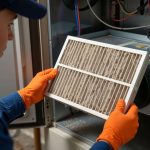
Filtration is the backbone of indoor air quality allergy season readiness. Your HVAC filter can capture pollen, dust, and dander, but only when the filter is the right type and the system has proper airflow. The most common mistake is choosing a filter that is either too weak to capture fine particles or too restrictive for the system to handle safely. A better approach is to choose a quality filter that fits your equipment, replace it on schedule, and make sure air is not bypassing around the filter frame.
Natural Resources Canada recommends inspecting, cleaning, or changing air filters regularly for your central air conditioner, furnace, and related equipment to keep systems running efficiently. This is not only an efficiency tip. It is also a direct indoor air quality allergy season strategy because clean filters support consistent airflow and steady particle capture. If you want a clean internal link opportunity, this is a good place to link Indoor Air Quality, Furnace, or HVAC Services.
How Often To Replace Filters During Peak Weeks
For indoor air quality allergy season performance, replace filters more frequently than you do in winter. Many homes do well with a 30 to 60 day schedule during heavy pollen weeks, especially with pets or nearby construction dust. If your filter loads quickly and looks dark, do not stretch the schedule. A clogged filter reduces airflow, reduces comfort, and can make your system run longer, which often stirs up more particles indoors.
Why Filter Fit Matters As Much As Filter Type
Even the best filter will not help indoor air quality allergy season if air slips around the edges. Gaps allow pollen and dust to bypass filtration and circulate through the home. Make sure the filter fits snugly and the access door closes properly. If the rack design allows bypass, a technician can recommend improvements that make filtration upgrades more effective without stressing the blower.
Improve Ventilation Without Inviting More Pollen
Ventilation matters because it dilutes indoor pollutants, but indoor air quality allergy season planning needs smarter timing. Opening windows on high pollen days can backfire. The goal is controlled ventilation that brings in fresh air at the right times and keeps airflow moving in a clean, predictable way. Health Canada emphasizes that improving ventilation is a key approach to improving indoor air quality, but it should be done thoughtfully.
Use kitchen and bathroom exhaust fans to remove pollutants and moisture at the source. Run them during cooking and showers, then leave them on for a short period afterward. If your home has mechanical ventilation equipment, maintain it properly and replace filters as recommended so it supports indoor air quality allergy season instead of becoming another dust reservoir. If you need help evaluating ventilation strategy, HVAC Services is a natural internal link here.
Choose Better Timing For Natural Ventilation
For indoor air quality allergy season, ventilate when outdoor conditions are less likely to spike symptoms, often after rainfall or during times when pollen is lower in your area. Keep windows closed during peak pollen hours if symptoms are strong. If you rely on air conditioning during hot spells, focus on filtration and indoor source control rather than leaving windows open and fighting humidity and pollen at the same time.
Control Humidity To Reduce Irritants And Mold Risk
Humidity has a huge effect on indoor air quality allergy season comfort. High humidity can make air feel heavy and can encourage dust mites and mold growth. Low humidity can irritate nasal passages and make symptoms feel worse. The goal is stable humidity that supports comfort and reduces the conditions that irritants love. Even small humidity improvements can make your home feel fresher and reduce that sticky feeling that makes allergy season feel worse indoors.
Your Air Conditioning system plays a major role in dehumidification. If your home stays damp even when cooling runs, it may be an airflow issue, an oversized system, coil performance problems, or a drainage issue. Stabilizing humidity is a strong indoor air quality allergy season step because it reduces musty odours, supports better sleep comfort, and helps your filtration and cleaning efforts last longer. This is a good internal link spot for Air Conditioning or Heat Pump depending on your site structure.
Watch For The Most Common Humidity Clues
For indoor air quality allergy season, pay attention to condensation on windows, musty basement smells, and rooms that feel clammy. These are signals that humidity control needs attention. If humidity swings are frequent, a professional tune-up can evaluate airflow, coil condition, and system performance so you get consistent moisture removal rather than short bursts of cooling that do not solve the comfort issue.
Clean Smarter So You Remove Allergens Instead Of Spreading Them
Cleaning is essential for indoor air quality allergy season, but the method matters. Dry dusting and aggressive sweeping can lift particles into the air and make symptoms flare. A better approach is damp dusting, vacuuming in a way that captures dust, and washing fabrics that trap pollen and dander. Focus on the rooms where you spend the most time, especially bedrooms and living areas, because reducing exposure where you breathe the most is the fastest path to relief.
Your cleaning schedule should match allergy season intensity. During peak weeks, wash bedding more often, clean entry mats, and vacuum consistently. If you have pets, wash pet bedding and brush coats frequently. Natural Resources Canada shares allergy season tips that include reducing allergens you bring in and keeping surfaces cleaner, which supports a steady indoor air quality allergy season plan.
Quick Wins Before Allergy Season Starts
- Replace HVAC filters and confirm the filter fits tightly
- Vacuum carpets and rugs thoroughly, then damp dust surfaces
- Wash bedding and pillow protectors weekly during peak weeks
- Clean entry mats and set a shoes-off rule
- Use bathroom and kitchen exhaust fans to control moisture and odours
- Keep windows closed on high pollen days and ventilate strategically
- Wipe pet paws after walks and wash pet bedding regularly
- Schedule an HVAC tune-up to check airflow and dehumidification
Schedule HVAC Maintenance That Supports Cleaner Air
A professional inspection is one of the best indoor air quality allergy season investments because it checks what you cannot see. Dust buildup on blower components, dirty coils, weak airflow, and poor drainage can all reduce comfort and increase particles circulating indoors. Natural Resources Canada notes that maintaining heating and cooling systems includes regular filter care and other checks to keep performance efficient and consistent. When the system runs cleanly, filtration works better and indoor air quality allergy season improvements become more noticeable.
Maintenance also helps you avoid misdiagnosis. Many homeowners assume allergens are the only issue when the real problem is airflow imbalance or humidity control. A technician can measure temperature differences, confirm blower operation, inspect coils, and check that your system is operating within expected performance. This is a natural internal link point for HVAC Services and Indoor Air Quality, and it also fits well for Furnace, Air Conditioning, Heat Pump, or Mini Split depending on the equipment your audience uses most.
When To Consider A Mini Split Or Heat Pump For Problem Rooms
Some homes struggle with one or two rooms that always feel worse during allergy season, such as upstairs bedrooms, basements, or additions. Zoned comfort solutions like a Mini Split can reduce reliance on one central system and support more consistent comfort in those areas. Heat Pump systems can also provide efficient heating and cooling, and when paired with good filtration and humidity control, they can support a stronger indoor air quality allergy season outcome.
Why Choose MACKAY Heating & Cooling
Indoor air quality allergy season planning works best when you treat your home like a system, not a collection of random tips. MACKAY Heating & Cooling helps homeowners improve comfort by combining practical steps with professional inspection and targeted upgrades. That includes evaluating filtration, confirming airflow, improving humidity control, and recommending Indoor Air Quality solutions that fit your home and your symptoms.
MACKAY Heating & Cooling also supports the full range of comfort systems that affect indoor air quality allergy season outcomes. Whether you rely on a Furnace, Air Conditioning, Heat Pump, or Mini Split, the goal is a setup that delivers steady airflow, strong filtration, and stable humidity so your home feels cleaner and easier to breathe in during peak weeks. If you want internal links, this section is ideal for HVAC Services and Indoor Air Quality, plus the system pages most relevant to your readers.
Build A Simple Routine Before Symptoms Peak
The best indoor air quality allergy season results come from small actions done consistently before symptoms get intense. Reduce what enters your home, upgrade filtration and replace filters on schedule, ventilate strategically, and keep humidity stable. Clean in a way that removes allergens instead of spreading them, and schedule professional HVAC maintenance so your system supports clean airflow rather than recirculating dust.
If you want help improving indoor air quality allergy season comfort in your home, MACKAY Heating & Cooling can evaluate your system and recommend the best next steps. Book HVAC Services and ask about Indoor Air Quality solutions that match your equipment and your allergy concerns so you can head into the season with more confidence and better comfort.
Frequently Asked Questions
How early should I start indoor air quality allergy season preparation?
Start indoor air quality allergy season preparation a few weeks before pollen peaks in your area so filtration, cleaning, and maintenance are already in place.
What is the best first step for indoor air quality allergy season improvement?
The best first step for indoor air quality allergy season is replacing your HVAC filter and confirming returns and vents are not blocked.
Can indoor air quality allergy season issues come from humidity?
Yes. High humidity can worsen indoor air quality allergy season comfort by supporting dust mites and musty odours, while low humidity can irritate airways.
Should I open windows to improve indoor air quality allergy season comfort?
Sometimes, but timing matters. Health Canada recommends improving ventilation, but during indoor air quality allergy season it helps to ventilate strategically.
How often should I change filters for indoor air quality allergy season?
For indoor air quality allergy season, many homes do best with more frequent changes, especially with pets or heavy pollen, and NRCan notes regular filter care supports performance.
Does HVAC maintenance help indoor air quality allergy season results?
Yes. HVAC maintenance can improve indoor air quality allergy season by keeping coils, blowers, airflow, and drainage working properly.
Which service pages should I link in an indoor air quality allergy season blog?
Strong internal links include Indoor Air Quality, HVAC Services, Furnace, Air Conditioning, Heat Pump, and Mini Split.