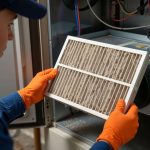
If your home feels dusty, your allergies seem worse indoors, or your heating and cooling costs keep climbing, the fix might be simpler than you think. An HVAC filter is your system’s first line of defense, and when it is dirty or the wrong type, everything downstream struggles. This HVAC filter replacement guide is designed to help you understand which filter you need, how often to change it, what mistakes to avoid, and how to know when a deeper HVAC issue is affecting airflow.
MACKAY Heating & Cooling works with homeowners across Ontario who want cleaner air, steadier comfort, and fewer surprise breakdowns. This HVAC filter replacement guide will also mention service names like HVAC Services, Furnace, Air Conditioning, Heat Pump, Mini Split, and Indoor Air Quality so you can add internal links when you are ready.
Why HVAC Filters Matter More Than Most Homeowners Realize
A filter does more than catch visible dust. It protects the blower, helps keep coils cleaner, and supports consistent airflow through your system. When airflow stays stable, your Furnace heats more evenly, your Air Conditioning cools more effectively, and your system can manage humidity better. This HVAC filter replacement guide focuses on the practical reality: filters are one of the easiest ways to improve comfort and reduce strain, but only if they are the right type and replaced on time.
Natural Resources Canada recommends inspecting, cleaning, or changing air filters regularly in your central air conditioner, furnace, and related equipment to support efficient operation. This is why a consistent HVAC filter replacement guide routine can reduce long run times, reduce overheating and icing risks, and help your system avoid the cycle of working harder for worse results. Many homeowners do not realize that a clogged filter can cause temperature swings, noisy airflow, and even shutdowns triggered by safety controls.
What A Dirty Filter Can Do To Comfort
A dirty filter restricts airflow, so the system struggles to move enough air through the home. That can create rooms that never feel right, even when the thermostat says the system is running. This HVAC filter replacement guide point is important: the system can be on, but comfort can still be poor if air cannot move properly.
What A Dirty Filter Can Do To Equipment
Restricted airflow can increase wear on motors and reduce heat transfer at coils. Over time, that can increase repair risk and reduce efficiency. In this HVAC filter replacement guide, you will see why a small maintenance habit can protect expensive components.
HVAC Filter Types Explained In Plain Language
Filters come in different materials and designs, and each type affects airflow and particle capture differently. The best filter is not always the highest rated one. The best filter is the one your system can handle while still capturing the particles you care about most. This HVAC filter replacement guide approach helps you balance air cleanliness with system performance.
Common types include fiberglass filters, pleated filters, and higher-efficiency options that capture finer particles. Fiberglass filters are inexpensive and protect equipment at a basic level, but they capture fewer fine particles. Pleated filters usually capture more and can support Indoor Air Quality goals better, but they can also restrict airflow more if the rating is too high for your system. A professional can help you select an option that fits your Furnace or Heat Pump without creating airflow strain.
What MERV Means And Why It Matters
MERV is a rating that generally indicates how well a filter captures particles of different sizes. Higher MERV can mean better particle capture, but it can also mean higher resistance to airflow. This HVAC filter replacement guide tip is simple: if a high-MERV filter causes weak airflow, noise changes, or uneven comfort, it may be too restrictive for your setup.
HEPA Filters And Portable Options
Most central HVAC systems are not designed to run true HEPA filters at the return without modifications, because the resistance can be too high. If you want HEPA-level support, portable HEPA units in key rooms can help while your central system uses a filter that maintains proper airflow. This HVAC filter replacement guide suggestion is often useful for bedrooms during allergy season.
How To Choose The Right Filter Size Without Guesswork
Using the correct filter size is just as important as choosing the right filter type. A filter that is too small can allow air to bypass around the edges, sending dust and pollen straight into your system. A filter that is too large may not fit correctly, may buckle, or may not seal properly. This HVAC filter replacement guide recommends checking the printed size on the current filter first, then confirming the exact size your system accepts.
A snug fit matters because air follows the path of least resistance. If there are gaps, air will flow around the filter instead of through it. That reduces filtration benefits and can increase dirt buildup on coils and blower components. If your filter slot or access panel does not seal well, a technician can improve the fit so this HVAC filter replacement guide strategy actually delivers results.
How To Verify The Size In Three Minutes
Turn the system off, remove the filter, and read the size printed on the frame. Measure the filter if the print is missing or unclear. Then confirm the airflow arrow direction before installing a new filter. This HVAC filter replacement guide step prevents the most common sizing and installation errors.
Why Filter Fit Affects Dust In The Home
If you change filters often but your home stays dusty, air bypass could be the reason. In that case, the HVAC filter replacement guide solution is not just “buy a better filter.” It is “make the filter seal properly so it can do its job.”
How Often You Should Replace HVAC Filters
There is no single schedule that fits every home. Pets, allergies, renovation dust, and system run time all affect how quickly filters load. For most homes, a 30 to 90 day range is common, but you should adjust based on actual filter condition. This HVAC filter replacement guide recommends setting a reminder and checking the filter monthly during heavy heating or cooling periods.
Natural Resources Canada explicitly recommends inspecting, cleaning, or changing air filters regularly as part of maintaining heating and cooling systems. If you notice the filter darkening quickly, the best approach is to shorten the schedule rather than hoping it will last. A clogged filter can cause overheating in heating season or icing in cooling season, and both issues can lead to service calls that could have been avoided with this HVAC filter replacement guide routine.
A Simple Schedule Based On Home Conditions
If you have pets or allergy concerns, check filters more frequently. If you live near construction or dusty roads, expect faster loading. If your system runs almost constantly, plan more frequent changes. This HVAC filter replacement guide approach keeps it practical and realistic.
Step By Step: How To Replace Your HVAC Filter Correctly
HVAC filter replacement is easy, but small mistakes can reduce the benefit. Always turn the system off first so the blower does not pull dust past the filter while you are removing it. Slide the old filter out carefully to avoid shaking debris loose. Insert the new filter with the airflow arrow pointing toward the equipment, then close the access panel securely.
This HVAC filter replacement guide also recommends checking the filter slot for dust buildup and wiping it lightly if needed. If the slot looks warped, the panel does not close well, or you see obvious gaps around the filter, that is when a professional HVAC Services visit can help. The goal is not only replacing the filter, it is ensuring the system actually filters the air as designed.
The Airflow Arrow Rule
The arrow on the filter should point in the direction of airflow, usually toward the furnace or air handler. This HVAC filter replacement guide reminder prevents incorrect installation, which can reduce performance and allow dirt to build up in places it should not.
What To Do If The Filter Gets Sucked In Or Bends
A filter that bends or gets pulled inward may indicate high suction, incorrect size, or a slot problem. Do not ignore it. This HVAC filter replacement guide recommends booking service if the filter will not sit flat, because it can lead to bypass and increased dust circulation.
Common HVAC Filter Mistakes That Cost Homeowners Money
- Buying the wrong size and leaving gaps around the filter
- Installing the filter backward and reducing effective performance
- Choosing a filter that is too restrictive and causing weak airflow
- Waiting too long to change the filter during peak season
- Blocking return vents with furniture and increasing filter load
- Assuming a “better filter” fixes dust when the real problem is bypass air
- Forgetting to check the filter after renovations or drywall work
- Ignoring new noises or comfort changes after installing a different filter
This HVAC filter replacement guide list is useful because most filter problems are not complicated, but they are very common.
How Filter Replacement Connects To Indoor Air Quality
Indoor air quality is not only about the filter, but the filter is a major factor in how clean the air feels day to day. Health Canada recommends improving indoor air quality by addressing sources of indoor air pollution and improving ventilation. A filter helps capture particles, but you also need source control and smart ventilation habits for the best indoor comfort.
This HVAC filter replacement guide encourages homeowners to treat the filter as part of a larger plan. If your home has persistent odours, humidity issues, or allergy flare-ups even with regular filter changes, it may be time to explore Indoor Air Quality solutions. Those can include better filtration setups, humidity control support, and airflow improvements that make the home feel cleaner without forcing the system to work harder than it should.
When A Filter Change Is Not Enough
If you still have heavy dust, musty smells, or uneven airflow, a filter alone will not fix it. This HVAC filter replacement guide recommends checking for duct leakage, coil dirt, and humidity problems that contribute to how the air feels.
When A Filter Problem Is Actually An HVAC System Problem
Sometimes homeowners follow an HVAC filter replacement guide perfectly and still struggle with comfort. That can happen when the underlying issue is duct leakage, poor return airflow, blower problems, coil contamination, or equipment sizing that does not match the home. In these cases, filters load faster and comfort stays inconsistent because the system is not moving air correctly.
A professional HVAC Services visit can confirm airflow, check static pressure, inspect coils, and verify that the system is operating within expected ranges. This is also where service links like Furnace, Air Conditioning, Heat Pump, and Mini Split make sense in your blog, because filter performance depends on how the full system operates. If your home has persistent hot and cold rooms, a Mini Split may even be a targeted comfort solution that reduces strain on the central system.
Signs You Should Book Service
If filters get dirty unusually fast, airflow seems weak even after changing the filter, or the system makes new noises after you replace it, those are reasons to book service. This HVAC filter replacement guide view is simple: recurring symptoms suggest a system-level issue, not only a filter issue.
Seasonal Tips For Filter Replacement In Ontario
In winter, a Furnace can run for long hours, especially during cold snaps, which loads filters faster. In summer, Air Conditioning and Heat Pump cooling cycles can run longer during heat waves, increasing filter load as well. The best HVAC filter replacement guide approach is to check more often during peak seasons and after events that increase indoor dust, like renovations, moving, or heavy indoor projects.
It also helps to keep return areas clean. Vacuum near return vents, keep them unobstructed, and avoid storing items that shed dust nearby. This supports the filter and keeps the system operating smoothly. If your home experiences allergy season spikes, increasing filter checks during that period is a practical indoor air quality strategy aligned with this HVAC filter replacement guide.
After Renovations Or Drywall Work
Renovation dust can load filters extremely fast. Check the filter sooner than usual after any dusty work. This HVAC filter replacement guide habit prevents dust buildup on coils and blowers that can cause longer-term performance issues.
Why Choose MACKAY Heating & Cooling
A good HVAC filter replacement guide helps, but many homeowners still want confirmation they are choosing the right filter and schedule for their equipment. MACKAY Heating & Cooling helps homeowners match filters to system capacity, improve filter fit to reduce bypass air, and check airflow so comfort stays consistent. If your filter keeps loading too quickly or comfort stays uneven, the root cause may be duct leakage, coil contamination, or return airflow restrictions, and that is where professional HVAC Services makes a real difference.
MACKAY Heating & Cooling also supports full comfort planning. If you want cleaner air and better humidity control, Indoor Air Quality solutions can complement a strong HVAC filter replacement guide routine. If you are upgrading equipment, Heat Pump and Mini Split options can improve comfort in hard rooms while reducing strain on the overall system. This is the difference between changing filters and actually improving how the home feels.
A Simple Habit With Big Comfort Impact
HVAC filters affect comfort, air freshness, and system reliability more than most homeowners realize. A consistent HVAC filter replacement guide routine helps your system move air properly, protects key components, and supports cleaner indoor air. Start by choosing the correct size, installing it in the correct direction, and checking it monthly during peak heating and cooling periods. Adjust your schedule based on real filter condition, not only a calendar.
If you want a professional check, MACKAY Heating & Cooling can help you choose the right filter level for your system, confirm airflow, and recommend Indoor Air Quality improvements when needed. Book HVAC Services before the next seasonal peak so your system is ready to perform when you need it most.
Frequently Asked Questions
- How often should I follow an HVAC filter replacement guide in Ontario?
Most homes do well checking monthly and replacing every 30 to 90 days, but your HVAC filter replacement guide schedule should match pets, dust, and system run time. - Can the wrong filter affect my HVAC filter replacement guide results?
Yes. A filter that is too restrictive can reduce airflow, so your HVAC filter replacement guide should balance capture with system performance. - Does a higher MERV always improve HVAC filter replacement guide performance?
Not always. Higher MERV can restrict airflow in some systems, so your HVAC filter replacement guide should match the filter to your equipment. - Why does my HVAC filter replacement guide show my filter getting dirty so fast?
Fast loading can come from pets, renovation dust, high run time, or duct leakage pulling in dust, so an inspection may be needed. - How does HVAC filter replacement guide work support indoor air quality?
Health Canada notes that improving indoor air quality involves addressing pollution sources and ventilation, and a clean filter supports the particle capture part of that plan. - Should HVAC filter replacement guide steps change for heat pumps?
Heat Pump systems still rely on airflow and filtration, so the HVAC filter replacement guide basics stay the same, but run time patterns can change by season. - When should I call a professional instead of only using an HVAC filter replacement guide?
If airflow stays weak, filters load unusually fast, or comfort remains uneven after a filter change, schedule HVAC Services to check airflow, coils, and duct performance.