Installing a new furnace is an important investment that directly affects your home’s comfort, energy efficiency, and heating reliability. A professional installation ensures the equipment operates safely, delivers consistent performance, and meets manufacturer specifications. Understanding what happens during the installation process helps homeowners feel prepared and confident from the initial assessment through the final system testing. If you are considering furnace installation St Catharines, knowing what to expect can help you make informed decisions and enjoy dependable heating for years to come.
When Is It Time for a New Furnace Installation?
Furnaces are built to provide reliable heating for many years, but every system eventually reaches the point where replacement becomes the better option. Recognizing the signs of an aging furnace helps homeowners avoid unexpected breakdowns and improve overall energy efficiency.
Common Signs Your Existing Furnace Needs Replacement
Several warning signs indicate your current furnace may no longer perform efficiently. Frequent repairs, rising heating costs, uneven temperatures, unusual noises, poor airflow, and difficulty maintaining comfortable indoor temperatures often suggest the system is approaching the end of its useful life. Older furnaces may also lack the energy efficiency features available in newer models.
Repair vs. Replacement: Making the Right Decision
Minor repairs are often worthwhile when the furnace is relatively new and operating efficiently. However, if repair costs become frequent or major components such as the heat exchanger or blower motor begin failing, replacement may provide better long term value. A professional HVAC assessment helps determine whether continued repairs or a new installation is the most practical solution.
Choosing the Right Furnace for Your Home
Selecting the proper furnace involves more than choosing a brand. The right system should match your home’s size, heating requirements, and energy efficiency goals.
Selecting the Proper Furnace Size and Efficiency Rating
Proper furnace sizing is one of the most important factors in long term system performance. A furnace that is too small may struggle to heat the home efficiently, while an oversized system may cycle too frequently and increase energy consumption. HVAC professionals perform detailed load calculations to recommend equipment that delivers consistent comfort while maximizing efficiency.
High efficiency furnaces also feature improved performance ratings that can help reduce monthly heating costs while maintaining reliable indoor comfort.
Factors That Influence Furnace Performance and Comfort
Several factors affect heating performance, including insulation quality, home layout, ductwork condition, window efficiency, ceiling height, and regional climate. Professional installers evaluate these variables before recommending the most suitable heating system.
For expert guidance and professional heating solutions, many homeowners trust MACKAY Heating & Cooling for experienced furnace installation, dependable service, and knowledgeable HVAC support.
Preparing for Furnace Installation
Proper preparation helps ensure the installation process proceeds smoothly while minimizing disruption inside the home.
What Homeowners Should Do Before Installation Day
Before installation begins, homeowners should clear the area surrounding the furnace to provide technicians with safe and convenient access. Removing stored items, ensuring pathways remain unobstructed, and arranging access to utility connections helps the installation team work efficiently throughout the project.
It is also helpful to discuss thermostat preferences, maintenance plans, and any heating concerns before work begins so technicians can answer questions during the installation process.
How HVAC Professionals Assess Your Home and Existing System
Before installing the new furnace, technicians inspect the existing heating system, ductwork, ventilation, gas connections, electrical components, and thermostat. They verify equipment sizing, identify any necessary upgrades, and ensure the installation complies with current safety standards and local building requirements.
Step-by-Step Furnace Installation Process
Professional furnace installation follows a structured process that prioritizes safety, efficiency, and long term system performance.
Removing the Old Furnace Safely
The first step involves disconnecting the existing furnace from electrical, gas, and ventilation systems before carefully removing the equipment. Technicians inspect surrounding components during removal to identify any issues that should be corrected before installing the replacement unit.
Installing, Connecting, and Configuring the New Furnace
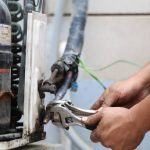
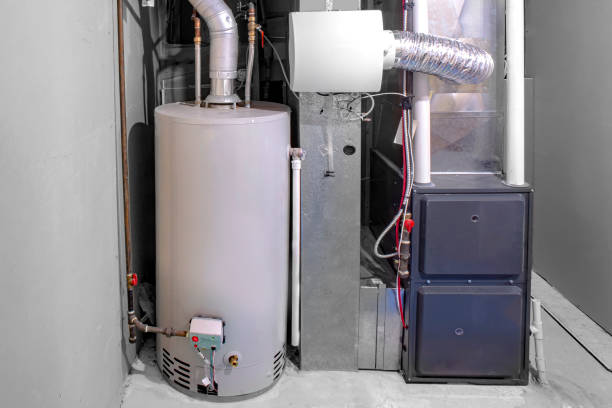
Once the old furnace has been removed, technicians position the new equipment, connect gas lines, electrical wiring, ventilation systems, condensate drainage when required, and thermostat controls. Every connection is carefully inspected to ensure proper operation before the furnace is configured according to manufacturer specifications.
The installation process generally includes:
- Removing the existing furnace
- Inspecting ductwork and utility connections
- Installing the new furnace
- Connecting electrical, gas, and ventilation systems
- Configuring thermostat settings
- Preparing the system for testing
Each step is completed according to industry standards to ensure safe and reliable operation.
Testing and Safety Checks After Installation
Thorough testing is one of the most important parts of every professional furnace installation.
Performance Testing and Airflow Verification
Technicians operate the furnace through multiple heating cycles while measuring airflow, temperature rise, blower performance, and overall system efficiency. Proper airflow verification ensures heated air is distributed evenly throughout the home and confirms that the furnace operates at peak performance.
Safety Inspections, Thermostat Calibration, and Final System Checks
Safety inspections include verifying gas connections, testing safety controls, inspecting ventilation systems, checking electrical components, and calibrating the thermostat. These final checks confirm the heating system operates safely and responds correctly to thermostat settings before the installation is considered complete.
What Happens After Your New Furnace Installation?
Professional service continues even after the installation has been completed.
Learning How to Operate and Maintain Your New System
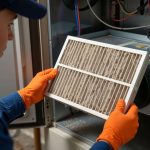
HVAC technicians explain thermostat operation, filter replacement schedules, recommended maintenance intervals, and basic system care. Understanding these maintenance practices helps homeowners maximize efficiency and extend the life of the new furnace.
Warranty Registration and Maintenance Recommendations
Most manufacturers require warranty registration shortly after installation. Professional HVAC companies often assist homeowners with this process while also recommending annual maintenance plans that support long term equipment reliability and protect warranty coverage.
Common Mistakes to Avoid During Furnace Installation
Avoiding common installation mistakes helps homeowners receive the best possible performance from their new heating system.
Choosing the Wrong Furnace Size
Incorrect equipment sizing can reduce efficiency, increase operating costs, and shorten equipment lifespan. Professional load calculations ensure the furnace matches the heating requirements of the home rather than relying on estimates alone.
Hiring Inexperienced Installers or Skipping Professional Installation
Choosing inexperienced installers may result in improper gas connections, ventilation issues, poor airflow, electrical problems, or reduced equipment performance. Professional installation protects both system reliability and manufacturer warranty requirements.
| Installation Factor | Long Term Benefit |
|---|---|
| Proper system sizing | Improved comfort and efficiency |
| Professional installation | Safe and reliable operation |
| Airflow testing | Consistent heating performance |
| Thermostat calibration | Better temperature control |
| Annual maintenance | Longer equipment lifespan |
How Professional Furnace Installation Improves Long-Term Performance
A properly installed furnace delivers benefits that continue throughout the life of the system.
Better Energy Efficiency and Lower Operating Costs
Correct installation allows the furnace to operate at its designed efficiency level. Balanced airflow, accurate thermostat calibration, and properly sealed connections reduce wasted energy while helping lower monthly heating costs.
Increased System Lifespan and Reliable Heating Performance
Professional installation minimizes unnecessary stress on system components and helps reduce the likelihood of premature failures. If you are considering Affordable Furnace Installation, working with experienced HVAC professionals helps maximize equipment lifespan while ensuring dependable heating performance for years to come.
Why Homeowners Choose Mackay Heating
Choosing an experienced HVAC company provides confidence that every stage of the furnace installation process will be completed professionally.
Expert Furnace Installation by Certified HVAC Technicians
Certified technicians use proven installation methods, follow manufacturer specifications, and complete detailed testing to ensure every furnace operates safely and efficiently from the first day of operation.
Quality Workmanship, Reliable Service, and Long-Term Customer Support
Professional workmanship, responsive customer service, and ongoing maintenance support help homeowners protect their investment while enjoying reliable heating performance throughout every heating season.
Conclusion
Professional furnace installation involves much more than replacing old equipment. Proper system sizing, careful installation, detailed testing, and ongoing maintenance recommendations all contribute to efficient, reliable heating for many years. Choosing experienced HVAC professionals ensures your new furnace operates safely, delivers consistent comfort, and provides long term value through improved energy efficiency and dependable performance.
Ready for a new heating system? Book Installation Today.
FAQs
1. How long does a professional furnace installation usually take?
Most residential furnace installations can be completed within one day, although the exact time depends on the home’s existing HVAC system and any required upgrades.
2. How do HVAC professionals determine the right furnace size?
Technicians perform detailed load calculations that consider home size, insulation, windows, ductwork, climate, and heating requirements to recommend the correct furnace capacity.
3. What should I do before installation day?
Clear the area around the furnace, provide easy access for technicians, and discuss thermostat preferences or any heating concerns before installation begins.
4. Is professional furnace installation necessary?
Yes. Professional installation ensures proper gas, electrical, and ventilation connections while maintaining manufacturer warranty requirements and maximizing system performance.
5. How often should a newly installed furnace be serviced?
Annual professional maintenance is recommended to maintain efficiency, identify developing issues early, and help extend the lifespan of your heating system.