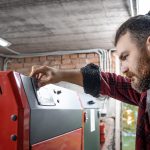
A furnace that continues to run but fails to produce warm air can quickly make your home uncomfortable. Although the blower may appear to be working normally, several issues can prevent the system from generating heat. Some problems have simple solutions, while others require professional diagnosis and repair. Understanding the possible causes can help you identify the issue early and prevent further damage to your heating system. If you are searching for dependable furnace repair near me, learning why your furnace is blowing cold air is the first step toward restoring reliable home comfort.
Why Is Your Furnace Running but Not Heating?
A furnace relies on several components working together to generate and distribute heat. When one part of the system fails, the blower may continue operating even though no heat is being produced. Identifying the source of the problem requires understanding how the heating process works.
Understanding How a Furnace Produces Heat
When the thermostat calls for heat, the furnace begins a sequence that includes ignition, burner operation, heat exchanger warming, and blower activation. Air passes over the heated heat exchanger before being distributed throughout the home by the blower motor. If any part of this process is interrupted, the furnace may continue circulating air without producing sufficient heat.
Why a Running Furnace Can Still Blow Cold Air
Cold air can result from thermostat problems, ignition failures, dirty air filters, restricted airflow, blower issues, gas supply interruptions, or safety controls shutting down the burners. In many cases, the blower continues operating to protect the furnace from overheating even though the burners are no longer producing heat.
Common Reasons Your Furnace Is Not Heating
Several common issues can prevent your furnace from heating effectively. Some can be identified through basic inspections, while others require professional service.
Incorrect Thermostat Settings and Electrical Issues
Start by verifying that the thermostat is set to heating mode and the desired temperature is above the current room temperature. Weak thermostat batteries, programming errors, or incorrect fan settings may also prevent normal heating operation. Electrical issues such as tripped breakers, blown fuses, or loose wiring can interrupt furnace operation without completely shutting down the blower.
Dirty Air Filters and Restricted Airflow
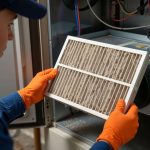
A clogged air filter restricts airflow and forces the furnace to work harder. Poor airflow can cause overheating, triggering safety controls that shut off the burners while allowing the blower to continue operating. Replacing dirty filters regularly helps maintain efficient airflow and supports consistent heating performance.
Mechanical Problems That Cause Heating Failure
Some furnace problems involve internal components that require specialized tools and professional repair.
Faulty Ignition System, Pilot Light, or Flame Sensor
Modern furnaces rely on electronic ignition systems or pilot lights to ignite the burners. A faulty ignitor, dirty flame sensor, or pilot light problem can prevent combustion from occurring even though the blower motor continues running. These components should be inspected and repaired by qualified HVAC professionals to ensure safe operation.
Blower Motor, Gas Supply, and Heat Exchanger Issues
Additional mechanical problems may include blower motor malfunctions, gas valve failures, restricted gas supply, damaged heat exchangers, or faulty safety controls. These issues often require advanced diagnostic equipment and technical expertise. For reliable heating solutions, many homeowners trust MACKAY Heating & Cooling for professional furnace diagnostics, dependable repairs, and experienced HVAC service.
Safe Troubleshooting Steps Homeowners Can Try
Before scheduling professional service, homeowners can safely perform a few basic checks that may identify simple issues affecting furnace performance.
Checking the Thermostat, Filter, and Power Supply
Begin by confirming that the thermostat is functioning correctly and set to heating mode. Replace dirty air filters if necessary and inspect your electrical panel to verify that the furnace breaker has not tripped. These simple steps often resolve minor operational problems without requiring repairs.
Resetting the Furnace and Inspecting Air Vents
Some furnaces include a reset function that may restore normal operation after a temporary fault. Follow the manufacturer’s instructions before attempting a reset. Also inspect supply and return vents throughout the home to ensure they remain open and free from furniture or other obstructions that restrict airflow.
The following homeowner checks can often be completed safely:
- Confirm thermostat settings
- Replace dirty air filters
- Verify electrical power
- Check supply and return vents
- Follow manufacturer reset instructions if applicable
If the furnace continues blowing cold air after these checks, professional service is recommended.
Signs You Need Professional Furnace Repair Near Me
Persistent heating problems usually indicate issues that require qualified HVAC technicians to diagnose and repair.
Persistent Cold Air, Strange Noises, or Burning Smells
If your furnace consistently blows cold air despite correct thermostat settings, professional inspection is necessary. Grinding, banging, squealing, or rattling sounds often indicate mechanical wear, while burning odors may suggest overheating electrical components or damaged wiring. These warning signs should never be ignored.
Frequent Cycling, Error Codes, and Complete Heating Failure
Modern furnaces often display diagnostic error codes that help technicians identify system faults. Frequent on and off cycling, repeated shutdowns, or complete heating failure typically indicate problems involving sensors, ignition systems, electrical controls, or airflow restrictions that require professional attention.
What to Expect During a Professional Furnace Repair Visit
Professional HVAC technicians follow a systematic process to identify the source of heating problems and complete effective repairs.
System Inspection and Accurate Diagnosis
The repair process begins with a detailed inspection of the thermostat, ignition system, burners, flame sensor, blower assembly, electrical connections, heat exchanger, gas supply, and airflow system. Diagnostic testing helps identify the exact cause of the heating failure before repairs begin.
Repair Recommendations, Testing, and Performance Verification
After diagnosing the problem, the technician explains the recommended repairs and provides an estimate before completing the work. Once repairs are finished, the furnace is tested through multiple heating cycles to verify proper airflow, burner operation, thermostat response, and overall system performance.
How Preventative Furnace Maintenance Helps Avoid Heating Problems
Routine maintenance is one of the most effective ways to reduce heating issues while improving furnace efficiency and reliability.
Regular Furnace Service and Seasonal Inspections
Annual maintenance appointments include cleaning burners, inspecting electrical components, testing safety controls, replacing filters when necessary, and evaluating airflow throughout the heating system. Regular inspections allow technicians to identify worn components before they fail unexpectedly.
Improving Energy Efficiency and Extending Equipment Life
A properly maintained furnace consumes less energy, provides more consistent indoor temperatures, and experiences less wear on major components. If your heating system stops working unexpectedly, prompt emergency furnace repair can restore comfort while preventing additional damage to critical furnace components.
Common Mistakes Homeowners Should Avoid
Taking the wrong approach during furnace problems can increase repair costs and create unnecessary safety risks.
Ignoring Early Warning Signs
Many homeowners continue using a furnace despite unusual noises, poor heating performance, or repeated cycling. Delaying repairs often allows small issues to develop into larger mechanical failures that require more extensive repairs.
Attempting Complex Furnace Repairs Without Professional Help
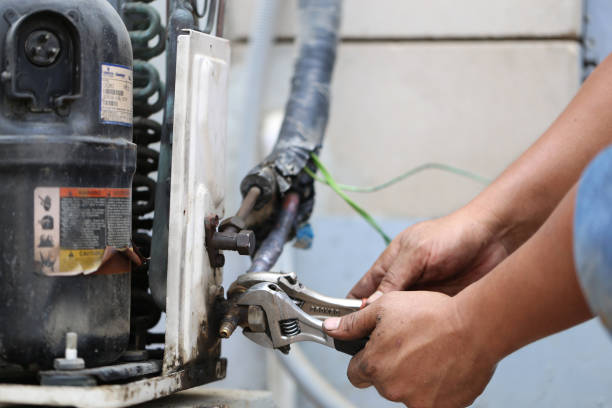
While replacing filters and checking thermostat settings are generally safe, repairs involving gas lines, ignition systems, electrical components, or heat exchangers should always be performed by trained HVAC professionals. Attempting complex repairs without proper knowledge may damage the furnace and create safety concerns.
| Common Mistake | Possible Result |
|---|---|
| Ignoring warning signs | Increased repair costs |
| Delaying professional service | Larger mechanical failures |
| Skipping maintenance | Reduced efficiency |
| Attempting complex repairs | Safety risks and equipment damage |
| Forgetting filter replacement | Restricted airflow and overheating |
Why Homeowners Choose Mackay Heating
Choosing an experienced HVAC company ensures furnace problems are diagnosed accurately and repaired safely.
Trusted Furnace Repair Near Me With Fast, Reliable Service
Professional technicians respond quickly, perform thorough inspections, and complete dependable repairs using proven diagnostic procedures. Fast service helps restore home comfort while minimizing heating interruptions.
Certified Technicians Providing Safe and Long-Lasting Heating Solutions
Certified HVAC professionals use quality replacement parts, follow manufacturer recommendations, and perform detailed system testing after every repair. Their expertise helps improve furnace reliability while supporting long term heating performance.
Conclusion
A furnace that runs without producing heat often indicates problems involving airflow, ignition, electrical components, gas supply, or mechanical failures. While homeowners can safely inspect thermostat settings, filters, and power supplies, persistent heating problems require professional diagnosis. Prompt repairs and routine maintenance help improve efficiency, prevent unexpected breakdowns, and extend the lifespan of your heating system.
Need reliable heating help? Schedule Furnace Repair.
FAQs
1. Why is my furnace blowing cold air even though it is running?
Common causes include thermostat issues, dirty air filters, ignition problems, restricted airflow, flame sensor failures, gas supply issues, or electrical faults.
2. Can a dirty air filter stop my furnace from heating?
Yes. A clogged filter restricts airflow, which can cause the furnace to overheat and trigger safety controls that shut off the burners while the blower continues running.
3. Is it safe to reset my furnace?
You may follow the manufacturer’s reset instructions if recommended. If the problem continues after resetting, professional inspection is advised.
4. When should I call a professional furnace technician?
Contact an HVAC professional if your furnace continues blowing cold air, produces unusual noises or burning smells, displays error codes, or repeatedly shuts down.
5. How can regular maintenance help prevent heating problems?
Annual furnace maintenance improves airflow, identifies worn components early, increases energy efficiency, and reduces the risk of unexpected heating failures.