Cold spots on a radiator can make a Niagara home feel uncomfortable even when the boiler appears to be running normally. One room may heat properly while another stays chilly, or the top of a radiator may remain cold while the bottom feels warm. In many hot water heating systems, trapped air or poor system balance can contribute to these problems. Learning how to safely bleed radiators can help restore circulation and improve comfort without immediately assuming that the boiler itself has failed.
MACKAY Heating & Cooling helps Niagara homeowners diagnose Boiler and hydronic heating problems when basic homeowner maintenance is not enough. Natural Resources Canada specifically recommends that hydronic systems be kept relatively free of air and notes that homeowners may need to bleed radiators regularly unless the system has automatic air removal. This guide explains how to bleed radiators safely, what radiator cold spots can mean, how balancing hot water heating works, and when you should stop DIY troubleshooting and call a qualified heating professional.
Why Radiators Develop Cold Spots
A hot water heating system uses a boiler to heat water and circulate it through pipes to radiators, baseboards, or other heat emitters. As heated water flows through each radiator, heat moves into the room and the cooler water returns to the boiler to be reheated. For this process to work properly, water must circulate freely through the system. When air becomes trapped inside a radiator, it can occupy space that should contain hot water. That is why homeowners often need to bleed radiators when the upper sections remain cold while the lower sections become warm.
Cold areas do not always mean there is air in radiators, however. A valve may be partly closed, circulation may be poor, system pressure may be incorrect, or the heating system may be badly balanced. Sediment or sludge can also interfere with heat distribution in some systems. Natural Resources Canada says hydronic systems perform best when radiators are relatively free of air bubbles and operating at the correct pressure. If you bleed radiators and the cold spots quickly return, the issue may require professional Boiler inspection rather than repeated DIY bleeding.
What Different Cold Spots Can Suggest
A radiator that is cold near the top but warm near the bottom often suggests trapped air, while a radiator that remains cold across much of its surface may involve a valve, circulation, balancing, or system problem. A radiator that is warm at the top but noticeably colder toward the bottom may indicate a different issue and should not automatically be treated by repeatedly opening the bleed valve. Paying attention to where the cold spots occur can help you describe the problem accurately if you eventually need professional service.
When Should You Bleed Radiators?
You may need to bleed radiators when you hear gurgling or bubbling noises, when the top of one or more radiators stays cold, or when certain rooms take noticeably longer to heat than they used to. These symptoms can occur after the heating system has been off for an extended period, after plumbing or heating work, or simply as small amounts of air accumulate over time. Natural Resources Canada recommends bleeding air from radiators once or twice a year so they can fill properly with water, unless the system has automatic bleeding equipment.
Bleeding should not become something you have to do every few days or weeks. If you repeatedly bleed radiators and air quickly comes back, there may be a system-pressure issue, automatic air vent problem, expansion tank concern, circulation issue, leak, or another condition introducing air into the system. In that situation, continuing to release air without investigating the cause may only hide the underlying problem. MACKAY Heating & Cooling can inspect Boiler operation and related components when recurring air or radiator cold spots suggest that professional diagnosis is needed.
Best Time To Bleed Radiators
A useful time to bleed radiators is before the main heating season begins, particularly if you notice gurgling or uneven heat during the first few heating cycles. Many homeowners include this task in fall boiler preparation. The system should be allowed to cool before you begin so you are not handling very hot water or radiator surfaces.
How To Bleed Radiators Safely
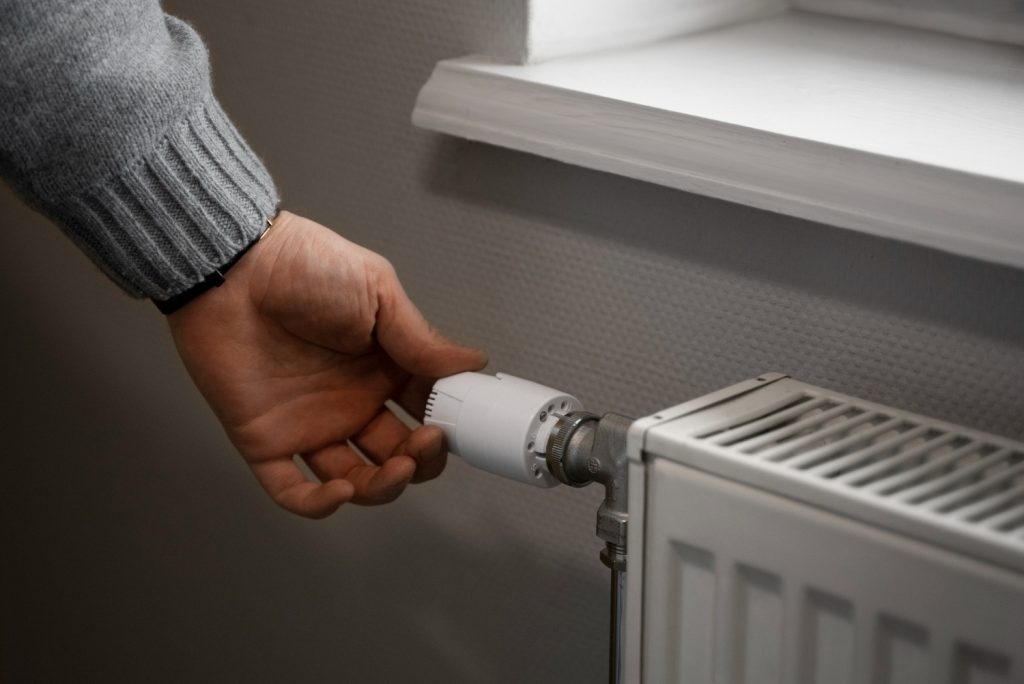
Before you bleed radiators, turn the heating system off and allow the radiators to cool. This reduces the chance that hot water will spray from the bleed valve and also allows air to collect near the top of the radiator. Find the small bleed valve, which is usually located near the upper corner of the radiator. Depending on the design, you may need a radiator key or a suitable tool recommended by the radiator manufacturer. Place a cloth and small container underneath the valve before opening it.
Slowly turn the bleed valve only enough to let trapped air escape. You may hear a hissing sound as air leaves. Once water begins to flow steadily rather than sputtering with air, close the valve gently. Do not overtighten it. Repeat the process only on radiators that need attention. After you bleed radiators, check the system according to the boiler manufacturer’s instructions because releasing air can affect system pressure. If you are unsure how to interpret the boiler pressure gauge or restore pressure safely, stop and call a qualified professional rather than experimenting with the boiler controls.
Safe Homeowner Bleeding Steps
The homeowner portion of the process should remain simple: switch the heating system off, let it cool, protect the floor with a cloth, open the radiator bleed valve slowly, release the trapped air, close the valve when water flows steadily, and then verify that the system appears normal before restarting it. Do not remove panels from the Boiler, alter gas components, bypass safety devices, or make pressure adjustments unless the manufacturer instructions specifically allow homeowner operation and you understand the procedure.
What To Check Before And After Bleeding
It helps to inspect the heating system before you bleed radiators because the symptom may point to something other than trapped air. Walk through the home and identify which radiators are cold, whether the problem is at the top or bottom, and whether you hear gurgling. Also note whether the entire home feels cold or only certain rooms are affected. If every radiator is cold, the issue is less likely to be solved by bleeding individual radiators and may involve the Boiler, circulation pump, thermostat, controls, or system pressure.
After you bleed radiators, allow the heating system to operate normally and compare room temperatures again. A radiator that heats evenly afterward was probably affected by trapped air. If one radiator remains cold, the next step may involve valve operation or balancing hot water heating. If multiple radiators remain cold, pressure changes significantly, water leaks appear, or the Boiler shows an error code, schedule professional service instead of repeatedly opening bleed valves.
- Turn the heating system off and let radiators cool.
- Identify which radiators have cold spots.
- Listen for gurgling or bubbling sounds.
- Protect flooring before opening the bleed valve.
- Open the valve slowly rather than fully.
- Close it when water flows steadily.
- Do not overtighten the bleed screw.
- Check system pressure after bleeding.
- Restart the heating system and compare radiator temperatures.
- Watch for leaks around the bleed valve.
- Stop DIY work if pressure falls repeatedly.
- Call for Boiler service if air keeps returning.
Why You Should Never Force A Bleed Valve
An old or corroded bleed valve may be difficult to turn. Forcing it can damage the valve and create a water leak. If the valve will not move with reasonable pressure, leave it alone and call a heating technician. A controlled professional repair is preferable to turning a minor cold-spot problem into a leaking radiator.
What Does Balancing A Hot Water Heating System Mean?
Balancing hot water heating means adjusting the system so the available heated water is distributed appropriately among the radiators or heating zones. Without proper balance, radiators closest to the Boiler or circulation pump may receive heat quickly while more distant radiators struggle. This can leave some rooms too warm and others too cold even after you bleed radiators successfully. Balancing is therefore different from bleeding. Bleeding removes trapped air, while balancing adjusts how heat is distributed.
Homeowners can observe the symptoms of poor balance, but significant valve adjustments should be approached carefully because hydronic systems vary considerably. Some radiators use lockshield-style valves, thermostatic radiator valves, zone valves, or other controls that require different procedures. Making random changes can reduce circulation or make other rooms less comfortable. If you bleed radiators and the system still heats unevenly, MACKAY Heating & Cooling can evaluate balancing hot water heating along with circulation, pressure, and Boiler performance.
Signs Your Heating System May Need Balancing
A system may need balancing when radiators near the boiler become hot much faster than those farther away, when some rooms consistently overheat while others stay cool, or when adjusting the thermostat does not solve room-to-room differences. These symptoms can also come from insulation, valve, pump, or sizing issues, so professional testing is useful before major adjustments are made.
Why Radiator Air Keeps Coming Back
If you have to bleed radiators repeatedly, the air is probably entering or remaining in the system for a reason. Small amounts of air may accumulate naturally, but frequent recurrence can point to pressure loss, leaking components, a problem with an automatic air vent, expansion tank issues, poor system filling, or circulation conditions that allow air to remain trapped. Simply releasing the air over and over does not correct the source.
A heating technician can inspect system pressure, pumps, valves, expansion components, air separators, vents, and visible piping when recurring air becomes a problem. This is also important if the pressure gauge repeatedly drops after you bleed radiators. Water loss and air entry can be connected, and hydronic heating systems are designed to operate within specific pressure conditions. Professional Boiler service can identify why air keeps returning and determine whether repair is needed.
Watch For Water Leaks
Look around radiator valves, visible piping, pumps, and the Boiler for moisture or signs of staining. Even a small recurring leak can contribute to pressure problems and should be investigated. Do not keep adding water or changing boiler pressure without understanding why the system is losing it.
When Cold Radiators Are Not Caused By Air
Sometimes homeowners bleed radiators repeatedly but notice little or no improvement. The problem may instead involve a closed or stuck valve, circulation pump trouble, sludge or sediment, a zone control problem, low system pressure, poor balancing, or a Boiler that is not producing or circulating heat correctly. This is why bleeding should be treated as one troubleshooting step rather than a universal solution for every cold radiator.
If an entire radiator remains cold and no air escapes from the bleed valve, professional diagnosis is a sensible next step. The same applies if several radiators remain cold even though the Boiler appears to run. MACKAY Heating & Cooling can assess the overall hydronic system and determine whether the issue involves Boiler performance, circulation, controls, pressure, or distribution. This keeps the article focused on safe DIY maintenance while leaving technical repairs to trained professionals.
Cold Bottoms Can Point To A Different Problem
If the top of the radiator becomes hot but the bottom remains significantly colder, trapped air may not be the primary issue. Internal deposits or poor circulation can sometimes contribute. Do not repeatedly bleed radiators in an attempt to solve a problem that is not caused by air.
Boiler Pressure And Radiator Bleeding
Many closed hydronic systems depend on maintaining appropriate system pressure. When you bleed radiators, a small amount of water may leave the system along with trapped air, potentially changing the pressure shown on the boiler gauge. The correct pressure varies by system and manufacturer, so homeowners should consult the equipment manual rather than relying on a universal number found online.
If pressure falls outside the manufacturer’s expected range after you bleed radiators, do not guess at gas, pressure, expansion, or safety-control adjustments. Some boilers have filling arrangements that homeowners may be instructed to operate, while others should be handled by a trained technician. If you are uncertain or pressure keeps dropping, book Boiler service. Incorrect pressure can affect circulation and may be a sign of a larger system problem.
Repeated Pressure Loss Needs Professional Attention
A system that continually loses pressure may have a leak, expansion-related problem, valve issue, or another fault. Repeatedly adding water without identifying the cause is not a long-term repair and can introduce additional oxygen and minerals into the system.
Boiler And Carbon Monoxide Safety
Bleeding radiators deals with the water side of a hydronic heating system, but many residential boilers burn natural gas or another fuel. Fuel-burning appliances require proper installation, maintenance, and venting. Health Canada states that carbon monoxide can be produced when fuel-burning equipment malfunctions or is not correctly vented or maintained. It recommends professional inspection of fuel-burning appliances and working carbon monoxide alarms in the home.
If a carbon monoxide alarm sounds while you are troubleshooting heating problems, stop immediately and leave the home. Health Canada advises occupants to move to fresh air, call 9-1-1 or emergency services from outside, and return only after professionals have resolved the problem. Do not attempt to bleed radiators, inspect combustion equipment, or locate the source of carbon monoxide yourself. Hydronic DIY advice should stay limited to safe radiator-side tasks, while gas, combustion, electrical, and venting problems should be handled by appropriately qualified professionals.
When To Call A Certified Gas Technician
Call qualified professional help if you smell gas, suspect combustion problems, see soot, notice unusual boiler ignition behaviour, experience repeated shutdowns, or have a carbon monoxide alarm. Radiator bleeding does not address combustion safety and should never delay an emergency response.
How Routine Boiler Maintenance Helps Prevent Cold Radiators
Regular maintenance can reduce some of the conditions that lead to uneven heating. Natural Resources Canada recommends bleeding hydronic radiators once or twice per year, vacuuming radiators to reduce dust buildup, insulating suitable hot water pipes, and maintaining heating equipment. It also notes that hydronic systems perform best when radiators are relatively free of air and system pressure is appropriate.
Annual professional Boiler service adds checks homeowners cannot safely complete themselves. Depending on the system, a technician may inspect circulation equipment, valves, pressure, controls, venting, combustion components, and overall performance. If you regularly bleed radiators but still struggle with cold rooms, a maintenance visit can reveal whether the real problem involves balance, circulation, controls, or equipment condition instead of trapped air.
Keep Radiators Clear
Furniture, curtains, decorative covers, and other objects can interfere with heat moving from radiators into the room. Natural Resources Canada recommends allowing air to flow freely around radiators and avoiding obstructions that prevent heat from entering the living space.
Why Choose MACKAY Heating & Cooling
MACKAY Heating & Cooling helps Niagara homeowners maintain Boiler and hot water heating systems when simple homeowner steps do not restore comfort. If you bleed radiators and cold spots return, the team can investigate pressure, circulation, valves, controls, balancing, and boiler performance to identify the underlying cause. This approach avoids assuming that every cold radiator needs the same repair.
The primary internal service for this article is Boiler, with HVAC Services available where broader heating-system support is needed. Because the Boiler service page owns the main boiler-repair intent, this article focuses on safe radiator maintenance and early troubleshooting rather than competing with that service page. Homeowners experiencing recurring air, leaking components, pressure changes, or no heat should move from DIY checks to professional service.
Local Support For Niagara Hydronic Heating
Niagara homes can have very different hydronic systems depending on age, renovations, boiler type, radiator style, and piping configuration. Professional inspection is especially valuable when balancing hot water heating because the correct approach depends on how the individual system is designed.
Bleed Radiators Safely And Know When To Stop
If the top of a radiator remains cold or you hear gurgling, trapped air may be preventing hot water from circulating properly. In those situations, you may be able to bleed radiators safely by turning the heating off, letting the system cool, slowly opening the bleed valve, and closing it once a steady flow of water appears. Natural Resources Canada recommends periodically removing air from hydronic radiators because systems perform best when radiators can fill properly with hot water.
However, repeated air, ongoing pressure loss, water leaks, persistent cold radiators, or severe room-to-room imbalance should be professionally diagnosed. MACKAY Heating & Cooling can inspect your Boiler and hydronic heating system, identify why heat is not being distributed properly, and recommend the right next step. If you have tried to bleed radiators and the problem continues, book boiler service instead of repeatedly adjusting valves or system controls yourself.
Frequently Asked Questions
Radiator bleeding is one of the few hydronic heating tasks many homeowners can safely perform, but knowing when the task is appropriate is important. The answers below explain the most common questions about trapped air, radiator cold spots, and balancing hot water heating.
If bleeding does not restore normal heating, do not continue changing system components at random. Recurring problems are usually better handled through professional Boiler inspection.
-
How often should I bleed radiators?
Natural Resources Canada recommends that homeowners bleed radiators once or twice a year unless their system has automatic air removal. You may also need to do it when the radiator top becomes cold or you hear gurgling. -
How do I know if there is air in my radiators?
Common signs of air in radiators include gurgling sounds and a radiator that is colder near the top than the bottom. If the entire radiator stays cold, another circulation or valve problem may be responsible. -
Should I bleed radiators when the heating is on?
It is safer to switch the heating off and let the radiators cool before opening a bleed valve. This reduces the risk of hot water escaping and allows trapped air to collect near the top. -
Why do I have to bleed radiators repeatedly?
If you repeatedly need to bleed radiators, the system may have a pressure, leak, expansion, air vent, or circulation issue. Persistent recurrence should be professionally investigated. -
Will bleeding fix every radiator cold spot?
No. Radiator cold spots can also result from poor balancing, sludge, valve problems, low pressure, or circulation issues. Bleeding only solves problems caused by trapped air. -
What is the difference between bleeding and balancing hot water heating?
Bleeding removes trapped air from radiators. Balancing hot water heating adjusts how heated water is distributed so different radiators receive appropriate flow. -
When should I call MACKAY Heating & Cooling instead of trying to bleed radiators?
Book Boiler service if radiators remain cold after bleeding, air repeatedly returns, system pressure keeps falling, water leaks appear, or the Boiler shows errors or fails to heat normally.