A properly functioning air conditioning system is essential for maintaining indoor comfort, especially during warmer months. When an AC unit stops cooling effectively, produces unusual sounds, or shows performance issues, professional repair services help restore its efficiency. Understanding the complete repair process allows homeowners to know what technicians check, how problems are identified, and why each step is necessary. For reliable solutions, professional ac repair niagara falls services follow a structured approach that focuses on accurate diagnosis and effective repairs.
Understanding How Professional AC Repair Services Work
Professional AC repair services involve multiple steps, starting with a detailed inspection and ending with system testing. Technicians do not simply replace parts without understanding the underlying issue. Instead, they evaluate different components, identify the source of the problem, and recommend suitable repair solutions.
A complete repair process helps ensure that the AC system operates safely, improves energy efficiency, and prevents recurring issues. From electrical inspections to refrigerant checks, every stage plays an important role in restoring the system’s performance.
Why Proper AC Diagnosis Is Important Before Repairs
Accurate diagnosis is the foundation of effective AC repair. Many cooling problems can have similar symptoms but different causes. For example, weak airflow may result from clogged filters, mechanical issues, or problems with internal components.
A detailed inspection helps technicians determine the exact reason behind the malfunction. Proper diagnosis reduces unnecessary repairs, prevents incorrect part replacements, and ensures that the recommended solution addresses the actual problem.
Without a complete assessment, temporary fixes may fail to resolve the issue and can lead to additional system damage over time.
Common Issues That Require AC Repair Services
Air conditioning systems can experience various problems due to regular use, component wear, or maintenance issues. Some common situations that require professional attention include:
- Reduced cooling performance or uneven temperature control
- AC unit making unusual noises
- Frequent system cycling or unexpected shutdowns
- Water leakage around the indoor unit
- Poor airflow from vents
- Refrigerant-related problems
- Electrical component failures
Identifying these warning signs early helps prevent more complex repairs and supports better system reliability.
Step 1: Initial AC Inspection and System Assessment
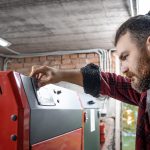
The first stage of professional AC repair is a complete inspection of the air conditioning system. Technicians examine the unit’s overall condition and review performance concerns before starting any repair work.
This assessment provides important information about the system’s current condition and helps determine which components require further testing.
Checking AC Components and Performance Issues
During the initial inspection, technicians examine essential AC components, including the compressor, condenser, evaporator coil, fan motors, thermostat, and electrical connections.
They also review the system’s cooling performance, operating sounds, and airflow levels. These checks help identify whether the issue is related to mechanical, electrical, or airflow problems.
A detailed component inspection ensures that repair decisions are based on accurate information rather than assumptions.
Identifying Signs of Damage or Malfunction
Technicians look for visible signs of damage, including worn-out parts, loose connections, corrosion, leaks, or damaged wiring. They also check whether different components are working together correctly.
Early identification of damaged parts helps prevent further system failures. It also allows technicians to recommend repairs before minor issues become expensive problems.
Step 2: Diagnosing the Cause of the AC Problem
After the initial inspection, technicians perform advanced diagnostic procedures to identify the exact cause of the AC issue. This step involves testing different system elements and analyzing performance data.
A detailed diagnosis helps determine whether the problem requires repair, component replacement, or additional system adjustments.
Testing Electrical Components and Connections
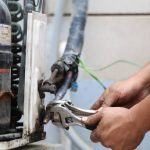
Electrical issues are among the most common reasons for AC system failure. Technicians inspect wiring, capacitors, contactors, circuit boards, and other electrical components to ensure they are functioning correctly.
They test electrical connections for safety and verify that power is reaching the necessary components. Faulty electrical parts can affect cooling performance and may create safety risks if not repaired properly.
Inspecting Refrigerant Levels and System Pressure
Refrigerant plays an important role in the cooling process. Low refrigerant levels or incorrect pressure readings can reduce the efficiency of an AC system.
Technicians measure refrigerant levels and inspect the system for possible leaks or pressure problems. If refrigerant issues are identified, they follow proper procedures to restore the system’s cooling capability.
Step 3: Explaining Repair Options and Required Solutions
Once the problem has been identified, technicians explain the required repair process and available solutions. A professional approach includes discussing the cause of the issue, the components involved, and the steps needed to restore the system.
Clear communication helps homeowners understand why specific repairs are recommended and what improvements they can expect after the service.
Understanding the Recommended AC Repair Process
The repair process depends on the type of problem identified during diagnosis. Some repairs may involve adjusting system settings, cleaning components, repairing electrical connections, or replacing damaged parts.
Technicians explain the necessary procedures before beginning the work. This ensures that the repair approach matches the condition of the AC unit and supports long-term performance.
Choosing professional repair services ensures that technicians follow manufacturer guidelines and safety standards while working on the system.
Estimating Repair Requirements Before Fixing an AC
Before fixing an AC system, technicians evaluate the repair requirements, including the time needed, replacement parts, and overall service process.
A proper assessment helps avoid unexpected issues during repairs. It also allows homeowners to understand the scope of work required to bring the system back to proper operation.
Professional companies focus on providing solutions that address the current issue while helping maintain the system’s future reliability.
Around this stage, selecting an experienced service provider becomes important. Companies like MacKay Heating & Cooling provide professional HVAC solutions designed to improve system performance and support reliable cooling operation.
Step 4: Performing the Necessary AC Repairs
After confirming the repair requirements, technicians begin the actual repair process. This stage involves handling damaged components, correcting system issues, and restoring proper operation.
Professional AC repairs require technical knowledge and specialized tools to ensure that every repair is completed safely and correctly.
Repairing or Replacing Faulty Components
Depending on the diagnosis, technicians may repair damaged components or replace parts that are no longer functioning properly. This may include electrical parts, motors, sensors, thermostats, capacitors, or other internal components.
Replacing faulty parts helps restore the system’s ability to cool efficiently and reduces the possibility of repeated breakdowns.
Technicians ensure that replacement components are compatible with the existing AC system and installed according to proper procedures.
Fixing Refrigerant, Electrical, and Mechanical Issues
AC repair may involve correcting refrigerant problems, resolving electrical faults, or repairing mechanical failures. Each type of repair requires a different approach and should be completed carefully.
Refrigerant-related issues require proper handling to maintain system performance. Electrical repairs require safety checks to prevent hazards, while mechanical repairs focus on restoring smooth operation of moving parts.
A complete repair process addresses all identified issues rather than only treating visible symptoms.
Ensuring Safe Procedures When Repairing AC Units
Safety is an essential part of professional AC repair services. Technicians follow proper procedures when working with electrical connections, refrigerants, and mechanical components.
Before completing repairs, they ensure that all components are securely installed and that the system is safe to operate.
Professional repair methods help protect the AC unit, improve reliability, and reduce the risk of future malfunctions.
Step 5: Testing the AC System After Repairs
Once repairs are completed, technicians perform detailed testing to confirm that the AC system is working correctly. Testing ensures that repaired components function properly and that the system delivers consistent cooling.
This final stage helps verify the quality of the repair work and confirms that the AC unit is ready for regular operation.
Checking Cooling Performance and Airflow
Technicians check temperature levels, airflow strength, and overall cooling performance after completing repairs. They compare system operation before and after the repair process to confirm improvements.
Airflow testing helps identify whether the system is distributing cooled air properly throughout the space.
Confirming the System Operates Efficiently
The final inspection includes checking system efficiency, electrical performance, and operating conditions. Technicians ensure that the AC unit starts, runs, and shuts down correctly.
Proper testing reduces the chances of immediate problems after service and helps maintain reliable cooling performance.
When Should You Contact Professional AC Repair Niagara Falls Services?
Knowing when to schedule professional AC repair can prevent serious system issues. Delaying repairs may increase damage and reduce the overall efficiency of the unit.
Professional assistance is recommended when the AC system shows consistent performance problems or unusual operating signs.
Warning Signs That Your AC Needs Expert Attention
Several signs indicate that an air conditioning system requires professional inspection and repair. Homeowners should consider contacting an HVAC technician when they notice:
- The AC is not producing enough cool air
- The system takes longer than usual to reach the desired temperature
- Unusual sounds are coming from the indoor or outdoor unit
- Energy bills increase without changes in usage
- Water leaks appear near the AC unit
- The system turns on and off frequently
- Airflow from vents becomes weak
These problems may indicate issues with internal components, refrigerant levels, electrical connections, or airflow systems. Professional diagnosis helps identify the exact cause and prevents further complications.
Benefits of Professional AC Repair Over DIY Fixes
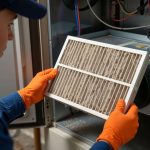
While basic maintenance tasks such as replacing filters can be handled by homeowners, complex AC repairs require professional knowledge and equipment.
Professional technicians have the training to safely inspect electrical systems, handle refrigerants, and repair mechanical components. Attempting complex repairs without proper experience may lead to additional damage or safety concerns.
Professional AC repair services provide several benefits, including:
- Accurate problem identification
- Safe handling of electrical and refrigerant components
- Proper installation of replacement parts
- Improved system efficiency
- Reduced chances of repeated breakdowns
For homeowners searching for reliable cooling solutions, professional home air conditioner repair near me services provide expert support for maintaining and restoring AC performance.
Conclusion: Understanding the AC Repair Process for Better System Performance
Understanding the step-by-step procedures involved in AC repair services helps homeowners make informed decisions when their cooling system experiences problems. Professional repair begins with a detailed inspection, followed by accurate diagnosis, solution planning, repair work, and final system testing.
Each stage of the process plays an important role in restoring efficiency and ensuring safe operation. From checking electrical components and refrigerant levels to repairing damaged parts and testing cooling performance, professional technicians follow a structured approach to deliver reliable results.
Regular maintenance and timely repairs can help prevent major AC failures and support better system performance. When cooling issues occur, choosing experienced professionals ensures that the repair process is completed correctly and efficiently.
FAQs
1. How long does a professional AC repair service usually take?
The time required for AC repair depends on the type of issue, the condition of the system, and the repairs needed. Simple repairs may take less time, while complex component replacements or refrigerant-related issues may require a more detailed process.
2. Why is AC diagnosis necessary before starting repairs?
AC diagnosis helps technicians identify the exact cause of the problem before performing repairs. Without proper diagnosis, incorrect repairs may be performed, which can lead to additional issues and reduced system efficiency.
3. What are the most common reasons an AC unit stops cooling properly?
Common causes include dirty filters, refrigerant problems, electrical failures, airflow restrictions, damaged components, and mechanical issues. A professional inspection helps determine which issue is affecting the system.
4. Can homeowners repair an AC unit themselves?
Basic maintenance tasks such as cleaning filters can be completed by homeowners. However, professional repair is recommended for electrical issues, refrigerant problems, and internal component failures because these repairs require specialized tools and technical knowledge.
5. How can professional AC repair improve system efficiency?
Professional AC repair restores proper system operation by fixing damaged components, improving airflow, correcting refrigerant issues, and ensuring all parts work together correctly. This helps the unit operate more efficiently and maintain consistent cooling performance.