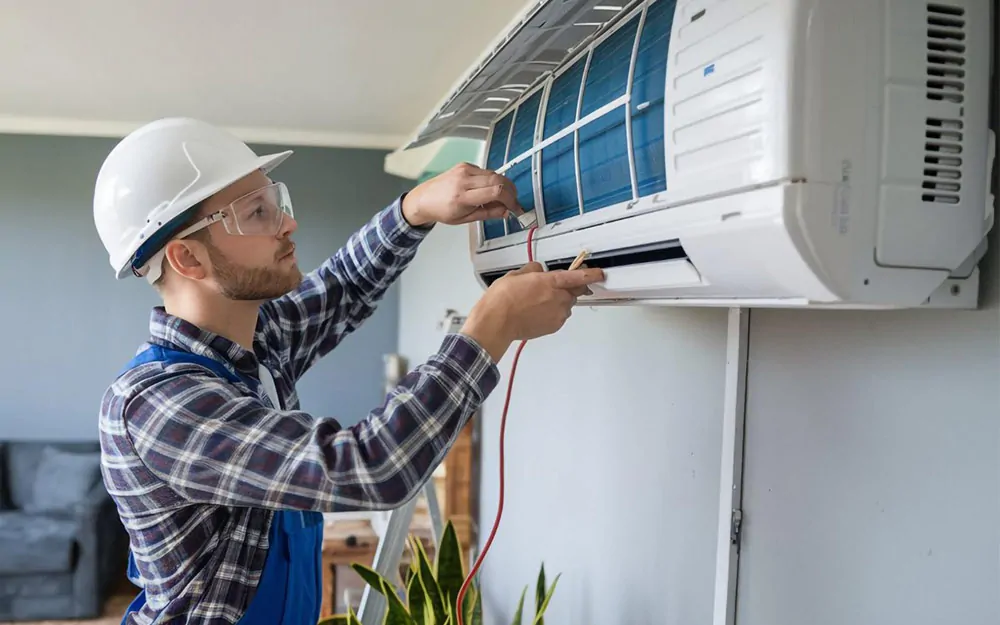
Mini split systems are known for their energy efficiency, flexible installation, and reliable year round comfort. However, like any HVAC equipment, they require routine maintenance to continue operating at peak performance. Regular care helps improve airflow, reduce energy consumption, and prevent unnecessary breakdowns that could lead to expensive repairs. If you are looking for reliable mini split repair services, understanding proper maintenance practices can help keep your system running efficiently while reducing the likelihood of unexpected issues.
Why Regular Mini Split Maintenance Matters
Routine maintenance plays an important role in maintaining consistent heating and cooling performance. A well maintained mini split system experiences less wear on its components, operates more efficiently, and provides better indoor comfort throughout the year. Regular inspections also allow small problems to be identified before they become major repairs.
How Routine Maintenance Improves System Performance
Dust, dirt, and debris naturally build up inside the indoor and outdoor units over time. Dirty components restrict airflow, reduce cooling and heating capacity, and force the system to work harder than necessary. Cleaning filters, inspecting coils, and maintaining clear airflow allow the mini split to operate efficiently while delivering consistent temperatures throughout your home.
Preventing Costly Mini Split Repair Through Preventative Care
Preventative maintenance reduces stress on important system components such as the fan motor, evaporator coil, condenser coil, and drainage system. Addressing minor maintenance issues before they develop into larger problems helps minimize repair costs and improves long term system reliability.
Understanding How a Mini Split System Works
A mini split system consists of an indoor air handling unit connected to an outdoor condenser through refrigerant lines and electrical wiring. The indoor unit delivers conditioned air directly into the living space, while the outdoor unit transfers heat to or from the outside environment depending on whether the system is heating or cooling.
Key Components That Require Regular Maintenance
Several components should be inspected and maintained regularly to keep the system operating efficiently.
| Component | Maintenance Purpose |
|---|---|
| Air filters | Maintain proper airflow |
| Evaporator coil | Improve cooling efficiency |
| Condenser coil | Release heat effectively |
| Drain line | Prevent water leaks |
| Fan assembly | Maintain consistent airflow |
Keeping these components clean allows the system to perform efficiently throughout every season.
Common Causes of Reduced Performance
Mini split systems can lose efficiency because of clogged filters, dirty coils, blocked outdoor units, refrigerant problems, drainage issues, or electrical faults. Ignoring these conditions often results in reduced comfort, higher utility bills, and increased wear on major system components.
Essential Mini Split AC Maintenance Tasks
Routine maintenance involves several simple tasks that homeowners can safely perform while leaving more technical inspections to HVAC professionals.
Cleaning Air Filters and Indoor Units
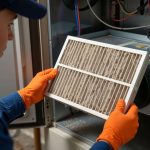
Air filters should be inspected regularly and cleaned according to the manufacturer’s recommendations. Dirty filters restrict airflow and reduce heating and cooling performance. The indoor unit should also be kept free of dust and debris to maintain proper airflow and improve indoor air quality.
Cleaning visible dust from the exterior housing and ensuring that the indoor air intake remains unobstructed also contributes to better system performance.
Maintaining the Outdoor Condenser and Ensuring Proper Airflow
The outdoor condenser requires adequate airflow to release heat efficiently. Remove leaves, grass clippings, and debris that accumulate around the outdoor unit. Trim nearby vegetation to maintain sufficient clearance around the equipment and avoid blocking airflow through the condenser coils.
For complete HVAC support, many homeowners trust MACKAY Heating & Cooling for professional maintenance, system inspections, and dependable repair services that help maximize equipment performance.
Signs Your Mini Split Needs Professional Repair
Although routine maintenance helps prevent many problems, some issues require professional diagnosis and repair.
Weak Cooling or Heating Performance
If the system struggles to maintain the desired temperature despite clean filters and proper thermostat settings, professional inspection may be necessary. Reduced performance can result from refrigerant leaks, compressor issues, blower motor problems, or electronic control malfunctions that require specialized diagnostic equipment.
Water Leaks, Unusual Noises, and Error Codes
Water leaking from the indoor unit often indicates a clogged drain line or drainage problem. Grinding, buzzing, rattling, or clicking sounds may suggest loose or worn components. Many modern mini split systems also display error codes that indicate system faults requiring professional attention.
The following warning signs should not be ignored:
- Weak airflow
- Reduced cooling or heating performance
- Water leaking indoors
- Unusual operating noises
- Error codes on the display
- Frequent system shutdowns
Prompt repairs help prevent additional damage and restore reliable operation.
Seasonal Mini Split Maintenance Best Practices
Seasonal maintenance ensures your mini split performs efficiently regardless of changing weather conditions.
Preparing Your System for Summer Cooling
Before warm weather arrives, inspect and clean air filters, remove debris from the outdoor condenser, check airflow around the indoor unit, and schedule professional maintenance if the system has not been serviced recently. Early maintenance helps improve cooling efficiency during periods of heavy use.
Winter Maintenance for Year-Round Performance
Mini split heat pumps also require winter maintenance to ensure dependable heating performance. Keep snow, ice, and debris away from the outdoor unit while maintaining proper airflow. Continue cleaning indoor filters regularly throughout the heating season to maximize efficiency.
Common Mini Split Maintenance Mistakes to Avoid
Some maintenance mistakes can reduce efficiency and increase the likelihood of future repairs.
Skipping Filter Cleaning and Coil Maintenance
One of the most common mistakes is waiting too long to clean air filters. Dirty filters reduce airflow, decrease efficiency, and force the system to operate longer to reach the desired temperature. Neglecting evaporator and condenser coil maintenance can also reduce overall system performance.
Blocking Airflow Around the Indoor or Outdoor Unit
Furniture, curtains, storage items, landscaping, or accumulated debris can restrict airflow around both the indoor and outdoor units. Reduced airflow decreases efficiency, increases operating costs, and places unnecessary strain on the compressor and fan motors.
When to Schedule Professional Mini Split Repair
While homeowners can perform basic maintenance, certain repairs should always be handled by trained HVAC technicians.
Issues That Cannot Be Solved With Routine Maintenance
Problems involving refrigerant leaks, compressor failures, electrical components, control boards, sensors, or drainage system repairs require specialized tools and technical expertise. Attempting these repairs without proper training may damage the system or create safety concerns.
Benefits of Professional Inspection and Preventative Service
Professional technicians inspect refrigerant levels, electrical connections, airflow, system controls, drainage components, and overall performance. If your system requires expert Mini Split Repair & Installation services, professional maintenance helps identify developing issues early while improving long term reliability and efficiency.
How Regular Maintenance Improves Energy Efficiency
Routine maintenance offers significant long term benefits beyond preventing repairs. A clean, properly maintained system consumes less energy while delivering more consistent indoor comfort.
Lower Utility Bills and Better Indoor Comfort
Improved airflow, clean coils, and properly functioning components allow the system to cool and heat more efficiently. Reduced operating strain lowers electricity usage while maintaining more consistent indoor temperatures throughout the home.
Extending the Lifespan of Your Mini Split System
Preventative maintenance minimizes wear on important mechanical and electrical components. By identifying developing problems early and keeping the system clean, homeowners can often extend the lifespan of their mini split while reducing the frequency of major repairs.
Why Homeowners Choose Mackay Heating
Choosing an experienced HVAC company helps ensure your mini split receives professional care that supports long term system performance.
Expert Mini Split Repair and Maintenance Services
Experienced technicians provide thorough inspections, accurate diagnostics, preventative maintenance, and dependable repairs for a wide variety of mini split systems. Their expertise helps restore efficient operation while preventing recurring issues.
Certified Technicians, Preventative Maintenance, and Reliable Long-Term Performance
Certified HVAC professionals follow industry best practices, use quality replacement parts when necessary, and recommend maintenance solutions that improve energy efficiency and equipment reliability. Their commitment to quality workmanship helps homeowners protect their HVAC investment for years to come.
Conclusion
Routine mini split maintenance is one of the most effective ways to improve system performance, lower operating costs, and prevent unexpected repairs. Regular filter cleaning, proper airflow, seasonal inspections, and professional maintenance all contribute to better efficiency and longer equipment life. Addressing minor issues early helps protect important components while ensuring dependable heating and cooling throughout every season.
Need expert mini split service? Schedule Service Today.
FAQs
1. How often should mini split air filters be cleaned?
Most manufacturers recommend checking filters every month and cleaning them every two to four weeks depending on system usage and indoor air conditions.
2. Why is my mini split not cooling properly?
Common causes include dirty filters, blocked airflow, refrigerant issues, frozen coils, electrical problems, or compressor malfunctions that require professional inspection.
3. Can I perform mini split maintenance myself?
Homeowners can safely clean filters, remove debris around the outdoor unit, and inspect visible components. Refrigerant, electrical, and internal mechanical repairs should always be handled by qualified HVAC technicians.
4. How often should professional mini split maintenance be scheduled?
Professional maintenance is generally recommended once each year, although systems used for both heating and cooling may benefit from seasonal inspections.
5. Does regular maintenance improve the lifespan of a mini split?
Yes. Routine maintenance reduces wear on major components, improves efficiency, identifies developing problems early, and helps extend the overall lifespan of the system.