Carbon monoxide is one of the most serious safety concerns connected with fuel-burning equipment because you cannot see, smell, or taste it. A natural gas or propane furnace is designed to vent combustion gases safely outdoors, but problems with combustion, venting, maintenance, or equipment condition can create a risk. Understanding the connection between carbon monoxide furnace safety and regular heating-system care can help Niagara homeowners recognize when a situation requires immediate emergency action and when professional inspection should be scheduled.
MACKAY Heating & Cooling helps homeowners throughout the Niagara Region maintain safer, more reliable heating systems through professional Furnace and HVAC Services. This guide explains carbon monoxide furnace warning signs, Ontario CO alarm requirements, possible furnace-related causes, detector placement, and what homeowners should do if an alarm sounds. This is a safety article rather than a medical guide, so any suspected carbon monoxide emergency should be handled through emergency services first, with HVAC inspection following only after the home has been declared safe.
What Is Carbon Monoxide And How Can A Furnace Be Involved?
Carbon monoxide, commonly called CO, is a gas created when fuels such as natural gas, propane, heating oil, gasoline, or wood do not burn completely. Health Canada identifies heating appliances, including furnaces, as possible sources. A properly installed and maintained furnace is designed to burn fuel correctly and safely vent combustion products outside. The concern arises when a carbon monoxide furnace problem involves malfunctioning equipment, inadequate combustion, damaged venting, blocked exhaust, or another condition that allows combustion gases to enter occupied areas.
Because CO has no colour, smell, or taste, homeowners cannot determine that a room is safe by using their senses. A home may look and smell completely normal while a dangerous concentration is present. That is why carbon monoxide furnace protection depends on working CO alarms, appropriate heating maintenance, proper venting, and immediate response when an alarm activates. Ontario describes carbon monoxide as the “silent killer” and states that it can only be detected by a working CO alarm.
Why Fuel-Burning Furnaces Need Regular Attention
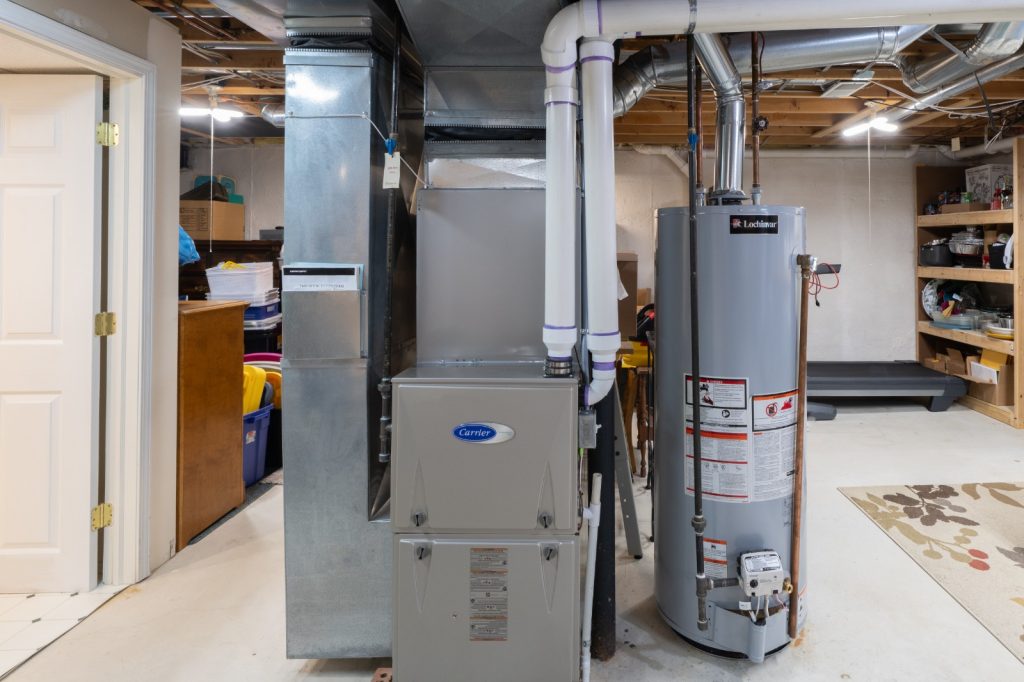
A fuel-burning furnace combines gas or another fuel with air, produces heat, and sends combustion gases through a venting system. Problems with burners, combustion, heat-exchanger condition, vent connections, exhaust pathways, or related components can require professional attention. Carbon monoxide furnace safety therefore depends on more than simply changing an air filter, even though filter maintenance remains important for overall Furnace performance.
What Should You Do If A Carbon Monoxide Alarm Sounds?
If a carbon monoxide alarm sounds, do not begin searching for the furnace problem yourself. Health Canada tells occupants to leave the home immediately and move to fresh air, avoid trying to locate the source, call 9-1-1, the local fire department, or emergency services from outside, and return only after the problem has been corrected by a professional. This guidance applies whether you suspect a carbon monoxide furnace issue, fireplace problem, water heater problem, vehicle exhaust, generator, or another fuel-burning source.
Ontario provides the same essential safety direction. A carbon monoxide furnace alarm event should first be treated as an emergency safety situation, not a standard HVAC repair call. MACKAY Heating & Cooling can inspect heating equipment after emergency responders indicate that it is safe for HVAC work to proceed. Never delay evacuation because you want to turn off the furnace, open panels, inspect the vent, or identify the source yourself.
Leave First, Diagnose Later
The correct order is simple: leave the building, move to fresh air, call emergency services, and wait for professional clearance. Carbon monoxide furnace troubleshooting should happen only after the immediate danger has been addressed.
Ontario Carbon Monoxide Alarm Requirements Changed In 2026
Ontario expanded its carbon monoxide alarm requirements effective January 1, 2026. In a house, a CO alarm is required if the home has a fuel-burning appliance, fireplace, attached garage, or is heated by air from a fuel-burning appliance located outside the home. Under the updated rules, required alarms must be installed adjacent to each sleeping area and on every storey of the home, including storeys without bedrooms. This makes CO detector placement Ontario requirements particularly important for households with a gas or other fuel-burning furnace.
Ontario also states that CO alarms should be installed according to the manufacturer’s instructions and can be hardwired, battery-operated, or plug-in units when compliant with applicable requirements. Homeowners should use devices that meet recognized Canadian performance standards and maintain them in working condition. For carbon monoxide furnace protection, having an alarm only beside the furnace is not a substitute for following Ontario’s location requirements throughout the home.
Where Should CO Alarms Be Installed In An Ontario House?
For a qualifying house, Ontario requires alarms adjacent to each sleeping area and, since January 1, 2026, on every storey. For example, if several bedrooms share a hallway, the alarm adjacent to that sleeping area can be placed in the nearby hallway, subject to the applicable rules and manufacturer instructions.
How Often Should You Test And Replace CO Alarms?
Ontario advises homeowners to test carbon monoxide alarms every month using the test button, replace batteries every year where applicable, and replace the alarms themselves according to the manufacturer’s instructions. Alarms may produce different sounds for an emergency, low battery, or end-of-life condition, so everyone in the household should understand what each signal means. Carbon monoxide furnace safety is stronger when alarms are maintained routinely rather than checked only after a heating concern appears.
Do not remove batteries or disable an alarm because it is inconveniently chirping. Determine whether the signal indicates a low battery or end-of-life condition and follow the manufacturer’s instructions. If the sound is the emergency CO alarm, treat it as an emergency and leave immediately. Homeowners should not assume that an alarm is malfunctioning simply because the Furnace appears to be operating normally.
Detector Maintenance Is Part Of Home Safety
Put monthly CO alarm testing on the same household schedule as other safety checks. Carbon monoxide furnace protection depends on a detector being powered, within its service life, correctly installed, and capable of sounding when needed.
Carbon Monoxide Furnace Safety Basics
A safe carbon monoxide furnace routine includes prevention, detection, and emergency planning. Homeowners can perform basic visual checks and maintain alarms, but combustion testing, gas work, internal furnace inspection, and venting diagnosis should be left to qualified professionals. Health Canada advises having fuel-burning appliances inspected at least once a year or according to manufacturer instructions and checking that exhaust vents remain clear.
Use the following list as a practical household safety reminder. It is not a substitute for professional Furnace service or emergency instructions. If a CO alarm sounds at any point, leave immediately and call emergency services from outside.
- Test CO alarms monthly.
- Replace alarm batteries as required.
- Replace CO alarms at the end of their manufacturer-specified life.
- Install alarms where Ontario regulations require them.
- Keep furnace and appliance exhaust vents clear.
- Schedule annual professional inspection of fuel-burning equipment.
- Never operate a fuel-powered generator inside a house, garage, shed, or other enclosed building.
- Never use a barbecue or camping stove indoors.
- Never use a gas oven or stove as a substitute home heater.
- Never idle a vehicle inside an attached garage.
- Keep the furnace area accessible for servicing.
- Call for Furnace service when equipment operation changes.
- Leave immediately if a CO alarm activates.
Never Rely On Smell
A gas smell may signal a different fuel-related emergency, but carbon monoxide itself has no smell. Carbon monoxide furnace safety therefore depends on functioning alarms and professional inspection, not whether the air smells unusual.
What Furnace Problems Can Increase Carbon Monoxide Concern?
A furnace carbon monoxide leak can be associated with several types of equipment or venting problems, but homeowners should avoid trying to determine the cause themselves. Possible concerns can include incomplete combustion, blocked or damaged venting, failed exhaust components, improperly operating burners, or defects in equipment that separates combustion gases from household air. A professional technician uses appropriate inspection methods and instruments rather than visual guessing.
Carbon monoxide furnace concerns may also arise when the heating system repeatedly shuts down, shows unusual combustion behaviour, has visible soot, or has venting that appears disconnected or damaged. These signs do not prove CO is present, and the absence of these signs does not prove the home is safe. The alarm is the primary warning device. If you notice furnace abnormalities without an alarm, schedule professional Furnace service rather than waiting for the problem to become more serious.
Do Not Diagnose A Heat Exchanger Yourself
The furnace heat exchanger is an internal component that should be inspected by trained professionals when concerns arise. Do not remove panels or attempt to verify cracks yourself. Carbon monoxide furnace inspection involves more than looking at one component and should consider combustion and venting conditions as a complete system.
Blocked Furnace Vents Can Create Serious Problems
Fuel-burning appliances rely on proper venting to carry combustion gases outside. Health Canada recommends frequently checking fuel-burning appliances for blocked vents, poor connections, damaged or corroded venting, and ensuring outdoor exhaust vents remain clear. Snow, ice, debris, or physical damage around exterior vent terminations can interfere with normal operation, particularly during Niagara winters.
Homeowners can visually confirm that accessible outdoor vent openings are not buried by snow or obviously obstructed, but they should not dismantle vent pipes or modify the system. If you suspect a carbon monoxide furnace venting problem, contact a qualified professional. If a CO alarm is already sounding, skip the visual inspection and follow emergency evacuation instructions immediately.
Check Exterior Vents After Heavy Snow
After significant snowfall, visually confirm that furnace exhaust and intake openings remain clear if they can be checked safely from outside. Do not climb onto roofs or access dangerous locations to perform this check.
Can A Dirty Furnace Filter Cause Carbon Monoxide?
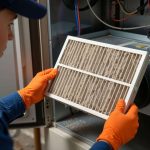
A dirty filter is primarily an airflow and furnace-performance concern rather than something homeowners should treat as a direct CO diagnosis. Restricted airflow can contribute to overheating and equipment shutdowns in some furnaces, which means filter maintenance is still important. However, if you are worried about carbon monoxide furnace safety, changing a filter is not a substitute for combustion and venting inspection.
The safest approach is to separate routine HVAC maintenance from CO detection. Keep the correct filter clean, maintain Furnace airflow, and schedule professional service, but rely on certified CO alarms for warning of carbon monoxide. If an alarm sounds, do not change the filter, reset the furnace, or try another thermostat setting before leaving the home.
Filter Maintenance Still Matters
A clean filter supports normal airflow and Furnace performance. Follow the furnace and filter manufacturer’s instructions for inspection and replacement, and ask MACKAY Heating & Cooling if you are unsure which filter is appropriate.
What Are The Possible Signs Of Carbon Monoxide Exposure?
Health Canada lists possible effects of CO exposure such as tiredness, headache, shortness of breath, and more severe outcomes including loss of consciousness. These general warning signs can have many possible causes, so homeowners should not attempt to diagnose carbon monoxide exposure based on symptoms alone. The appropriate role of this carbon monoxide furnace guide is to emphasize prevention, alarm response, and emergency action rather than provide medical advice.
If a CO alarm sounds, leave immediately regardless of whether anyone reports symptoms. If someone appears seriously unwell or unconscious, contact emergency services from a safe location. Do not remain inside trying to decide whether the symptoms fit carbon monoxide poisoning. Carbon monoxide symptoms home searches should never replace emergency instructions from qualified authorities.
Never Wait For Symptoms Before Leaving
An alarm can provide warning before occupants recognize a problem. Carbon monoxide furnace emergencies should be handled based on the alarm and official emergency guidance, not whether everyone feels normal.
Annual Furnace Inspection Is An Important Preventive Step
Health Canada recommends regular inspection and maintenance of fuel-burning appliances at least once a year or according to manufacturer instructions. A professional heating visit can review relevant furnace operation, venting, connections, safety controls, and overall equipment condition. This preventive approach cannot guarantee that a carbon monoxide furnace event will never occur, but it can help identify equipment conditions that deserve attention before they become larger safety or reliability concerns.
MACKAY Heating & Cooling can provide Furnace and HVAC Services for Niagara homeowners who want heating equipment inspected before the winter season. Annual service is also an opportunity to address airflow problems, unusual startup behaviour, recurring shutdowns, abnormal noises, and other furnace concerns. For additional context on professional maintenance, homeowners can internally visit the existing article “What to Expect From Professional Furnace Service Near Me.”
Schedule Service Before Winter
Fall is a practical time for professional Furnace inspection because the system can be checked before heavy daily heating begins. If maintenance was missed before winter, however, arranging service later is still preferable to ignoring equipment concerns.
Carbon Monoxide Risks Are Not Limited To Furnaces
A carbon monoxide furnace is only one potential source of CO in a home. Health Canada identifies fireplaces, fuel-burning cooking appliances, gas dryers, vehicles, generators, barbecues, and other fuel-powered equipment as potential CO sources. This matters because homeowners should not automatically blame the Furnace when a CO alarm activates. Emergency responders and qualified professionals should determine the actual source.
Attached garages deserve particular attention. Ontario includes an attached garage as one of the conditions that triggers CO alarm requirements for houses, and Health Canada advises never idling a vehicle in a garage even with the garage door open. Whole-home carbon monoxide safety therefore requires considering all combustion sources, not only carbon monoxide furnace equipment.
Generators Must Stay Outside
Health Canada advises operating portable fuel-burning generators outdoors and at least 6 metres, or 20 feet, from buildings, with exhaust directed away from openings. Generators should never be operated inside a house, garage, basement, crawlspace, or shed.
What To Do After Emergency Responders Clear The Home
Once emergency responders or another qualified authority determines that it is safe for HVAC inspection, a technician can begin investigating the heating equipment. If the suspected source is a carbon monoxide furnace issue, the technician may need to examine equipment operation, venting, combustion-related components, safety controls, and other relevant parts of the heating system. The exact diagnostic process depends on the Furnace design and circumstances surrounding the alarm.
Do not simply reset the Furnace and resume normal operation unless a qualified professional has determined that the system is safe. If repair is required, the equipment may need to remain off until the problem is corrected. MACKAY Heating & Cooling can help Niagara homeowners understand whether the issue can be repaired or whether aging equipment, major damage, or recurring safety concerns justify discussing replacement.
Repair Decisions Should Follow Safety Inspection
The immediate goal after a carbon monoxide furnace incident is safe operation, not finding the cheapest temporary solution. Once the source is known, homeowners can make informed decisions about repair, maintenance, or replacement.
How Indoor Air Quality Fits Into Carbon Monoxide Safety
Carbon monoxide is an indoor air contaminant, but ordinary air filtration does not replace CO alarms. Furnace filters are designed primarily to capture particles, not provide a warning when carbon monoxide is present. That is why the Indoor Air Quality approach to CO must focus on preventing combustion gases from entering occupied spaces, maintaining fuel-burning equipment, keeping ventilation and exhaust systems working correctly, and using functioning CO alarms.
This distinction is important for Niagara homeowners considering air cleaners, higher-efficiency filters, or other Indoor Air Quality products. Those upgrades can address certain particles or comfort concerns, but they are not substitutes for carbon monoxide furnace safety measures. Working CO alarms and professional inspection of fuel-burning equipment remain essential.
Air Cleaners Do Not Replace CO Detectors
Do not assume an air purifier or premium HVAC filter protects against carbon monoxide. CO detection requires a certified carbon monoxide alarm installed and maintained according to applicable requirements and manufacturer instructions.
Why Choose MACKAY Heating & Cooling
MACKAY Heating & Cooling helps Niagara homeowners maintain their heating systems with safety, reliability, and clear communication in mind. If you have concerns about carbon monoxide furnace operation, unusual Furnace behaviour, venting, repeated shutdowns, or overdue maintenance, the team can provide professional heating-system inspection after any immediate emergency has been handled appropriately.
The primary internal service connection for this article is Indoor Air Quality, with Furnace and HVAC Services also relevant where heating equipment needs inspection or maintenance. The existing professional furnace-service article can provide additional information for homeowners preparing for routine service. This safety-focused article intentionally avoids replacing professional gas, combustion, emergency, or medical advice.
Professional Service Supports Prevention
Annual professional maintenance, working alarms, proper venting, and a household emergency plan all support safer heating-system operation. Carbon monoxide furnace prevention works best when these protections are used together.
Treat Every CO Alarm As An Emergency
Carbon monoxide is dangerous precisely because homeowners cannot see, smell, or taste it. A furnace, water heater, fireplace, vehicle, generator, or other fuel-burning source can potentially contribute to CO in a home. Working alarms are therefore essential. Ontario’s 2026 rules require qualifying houses to have CO alarms adjacent to each sleeping area and on every storey, while Health Canada recommends annual professional inspection of fuel-burning appliances and immediate evacuation if an alarm sounds.
If a CO alarm activates, leave immediately, move to fresh air, and call 9-1-1, your local fire department, or emergency services from outside. Do not return until professionals say it is safe. For preventive carbon monoxide furnace maintenance or heating-system inspection after emergency clearance, contact MACKAY Heating & Cooling and book a safety inspection. Professional Furnace, HVAC Services, and Indoor Air Quality support can help Niagara homeowners keep heating systems maintained and identify concerns before winter demand increases.
Frequently Asked Questions
Carbon monoxide safety requires clear actions because uncertainty can lead people to stay inside too long or attempt unsafe troubleshooting. The answers below focus on Ontario alarm rules, furnace maintenance, and official emergency guidance.
These FAQs are for general safety information only. If a CO alarm is sounding now, leave the home immediately and call emergency services from outside rather than continuing to troubleshoot.
- What should I do if my carbon monoxide furnace alarm sounds?
If a CO alarm sounds and you suspect a carbon monoxide furnace problem, leave the home immediately, move to fresh air, call 9-1-1 or local emergency services from outside, and do not return until professionals say it is safe. - Where are CO alarms required in Ontario homes in 2026?
For qualifying houses, Ontario requires CO alarms adjacent to each sleeping area and, effective January 1, 2026, on every storey, including storeys without sleeping areas. - Can I smell a furnace carbon monoxide leak?
No. Carbon monoxide has no smell, colour, or taste. A working CO alarm is required to detect it, which is why you should never rely on smell to judge carbon monoxide furnace safety. - How often should I test my CO detectors?
Ontario advises testing CO alarms monthly, replacing batteries annually where applicable, and replacing the alarm itself according to manufacturer instructions. - Can a dirty filter cause a carbon monoxide furnace problem?
A dirty filter can restrict airflow and affect Furnace operation, but homeowners should not use filter condition to diagnose CO. Carbon monoxide concerns require functioning alarms and qualified professional inspection. - How often should a fuel-burning furnace be professionally inspected?
Health Canada recommends having fuel-burning appliances inspected at least annually or according to manufacturer instructions. This is an important preventive carbon monoxide furnace safety measure. - When should I call MACKAY Heating & Cooling about carbon monoxide furnace concerns?
For an active CO alarm, call emergency services first. After the home is cleared as safe, or for preventive maintenance when no alarm is active, contact MACKAY Heating & Cooling to book a Furnace safety inspection.