An air conditioner that suddenly stops cooling can be frustrating, especially during hot weather. While some AC problems require professional repairs, many common issues can be identified through a simple troubleshooting process. Performing a few basic checks may restore cooling, improve system performance, or help you understand when professional service is necessary. Before scheduling an air conditioner repair appointment, use this troubleshooting checklist to identify common cooling issues and determine the next steps.
Why AC Troubleshooting Is Important Before Calling for Repairs
Basic AC troubleshooting helps homeowners identify simple issues that may be affecting cooling performance. It can also provide valuable information that makes professional diagnosis faster and more efficient.
Understanding which problems can be safely checked at home and which require expert attention helps protect both the air conditioning system and household safety.
Identifying Minor Issues Before They Become Major Problems
Small problems such as clogged air filters, incorrect thermostat settings, or blocked outdoor units can reduce cooling efficiency if left unaddressed.
Identifying these issues early helps prevent unnecessary wear on the system, improves energy efficiency, and may reduce the likelihood of expensive repairs later.
Regular inspections also help homeowners notice unusual changes in system performance before they become major mechanical failures.
When DIY Troubleshooting Is Safe and When It Is Not
Several basic maintenance tasks are safe for homeowners, including checking thermostat settings, replacing air filters, clearing debris around the outdoor condenser, and inspecting visible vents.
However, refrigerant leaks, electrical faults, compressor problems, or internal mechanical failures should always be handled by qualified HVAC technicians. Attempting complex repairs without proper training may cause equipment damage or create safety risks.
AC Troubleshooting Checklist for Common Cooling Problems
Before calling a professional, work through the following checklist to identify common causes of reduced cooling performance.
Check the Thermostat Settings and Power Supply
Begin by confirming that the thermostat is set to cooling mode and that the desired temperature is lower than the current indoor temperature.
If the thermostat appears unresponsive, check the batteries if applicable and verify that the system has electrical power.
Also inspect the main power switch and ensure the indoor and outdoor units are receiving electricity.
Inspect the Air Filter and Airflow
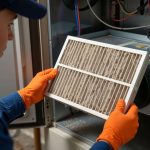
Dirty air filters are one of the most common reasons for poor cooling performance.
A clogged filter restricts airflow, forces the system to work harder, and may even contribute to frozen evaporator coils.
Replace disposable filters or clean reusable filters according to the manufacturer’s recommendations. After replacing the filter, verify that airflow has improved throughout the home.
Examine the Outdoor Condenser Unit for Obstructions
The outdoor condenser requires unrestricted airflow to release heat effectively.
Inspect the area around the unit and remove leaves, grass clippings, branches, or other debris that may block airflow.
Maintain adequate clearance around the condenser to help improve system efficiency and cooling performance.
Around this point, if troubleshooting does not restore normal operation, consulting experienced HVAC professionals becomes the next step. MacKay Heating & Cooling provides professional diagnostic services that accurately identify AC issues and recommend effective repair solutions.
Look for Frozen Evaporator Coils or Water Leaks
Ice forming on evaporator coils often indicates restricted airflow, dirty filters, refrigerant problems, or other system issues.
Water leaking around the indoor unit may result from blocked condensate drains, frozen coils, or drainage problems.
If frozen coils are observed, turn off the cooling system and allow the ice to melt before scheduling professional inspection if the problem returns.
Check Circuit Breakers and Electrical Connections
A tripped circuit breaker may prevent the air conditioner from operating.
Inspect the electrical panel to determine whether the breaker has tripped. If it has, reset it once according to manufacturer recommendations.
Repeated breaker trips or visible electrical damage should never be ignored and require immediate professional diagnosis.
Why Your Air Conditioner Is Not Cooling
If the troubleshooting checklist does not resolve the issue, several internal problems may be preventing proper cooling.
Low Refrigerant or Refrigerant Leaks
Refrigerant is responsible for transferring heat from inside the home to the outdoor unit.
Low refrigerant levels caused by leaks reduce cooling capacity, increase energy consumption, and place additional stress on the compressor.
Only licensed HVAC professionals should diagnose and repair refrigerant-related issues.
Dirty Coils, Blocked Vents, or Faulty Components
Dirty evaporator or condenser coils reduce heat transfer efficiency and force the air conditioner to work harder.
Blocked supply vents, damaged blower motors, faulty capacitors, worn contactors, or compressor problems can also reduce cooling performance.
Professional diagnostic equipment helps identify these issues accurately and ensures repairs address the root cause.
When to Schedule Professional Air Conditioner Repair
While many minor issues can be identified through troubleshooting, certain situations always require professional service.
Warning Signs That Require Expert Diagnosis
Contact an HVAC technician if you notice:
- Warm air blowing from vents
- Loud grinding, banging, or squealing noises
- Burning smells or electrical odors
- Refrigerant leaks
- Frequent system cycling
- Water leaks that continue after cleaning
- Repeated circuit breaker trips
These symptoms often indicate internal problems that require specialized tools and professional repair.
Benefits of Professional Inspection and Repairs
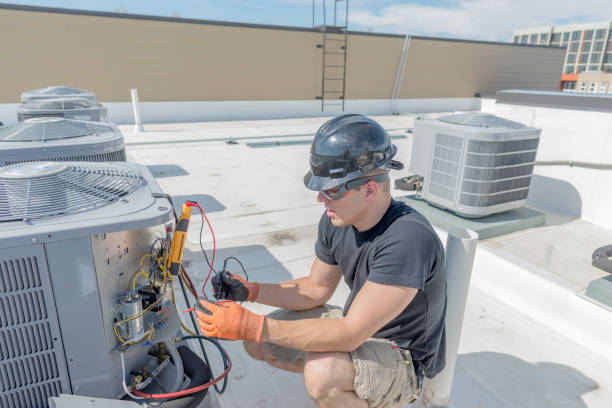
Professional technicians perform comprehensive inspections that include electrical testing, refrigerant pressure checks, airflow analysis, thermostat evaluation, and mechanical component inspection.
Their expertise allows problems to be diagnosed accurately while reducing the risk of unnecessary part replacements.
For homeowners searching for dependable hvac services near me, professional HVAC technicians provide expert repairs that restore cooling performance safely and efficiently.
Preventive Maintenance Tips to Avoid Future AC Problems
Preventive maintenance is one of the most effective ways to reduce future AC breakdowns.
Routine Maintenance That Improves Cooling Performance
Simple maintenance tasks help keep the air conditioner operating efficiently throughout the cooling season.
Recommended maintenance includes:
- Replacing air filters regularly
- Keeping outdoor units clean
- Maintaining unrestricted airflow around vents
- Monitoring thermostat performance
- Cleaning visible dust from supply registers
These simple tasks help improve efficiency and reduce unnecessary system wear.
Scheduling Seasonal HVAC Inspections
Professional HVAC inspections provide a more detailed evaluation than homeowner maintenance alone.
Seasonal inspections include checking refrigerant levels, electrical components, blower motors, condensate drains, airflow, thermostat operation, and overall system performance.
Routine professional maintenance helps identify developing issues before they become major repairs.
Conclusion: Use This AC Troubleshooting Checklist Before Calling for Repairs
Following a simple troubleshooting checklist can often identify common air conditioning issues before they become expensive repairs. Checking thermostat settings, replacing dirty filters, inspecting the outdoor condenser, and monitoring airflow are valuable first steps that help improve cooling performance.
However, problems involving refrigerant, electrical systems, compressors, or repeated breakdowns should always be handled by experienced HVAC professionals. Combining routine maintenance with timely professional service helps keep your air conditioning system operating safely, efficiently, and reliably throughout the cooling season.
FAQs
1. Why is my air conditioner running but not cooling?
Common causes include dirty air filters, incorrect thermostat settings, refrigerant leaks, dirty coils, blocked airflow, or failing system components. Professional diagnosis helps determine the exact cause.
2. How often should I replace my AC air filter?
Most filters should be checked monthly and replaced according to the manufacturer’s recommendations, depending on usage and indoor air conditions.
3. Is it safe to reset a tripped AC circuit breaker?
You may reset the breaker once if it has tripped. However, if it continues to trip repeatedly, discontinue use and contact an HVAC professional because an electrical issue may be present.
4. What are the warning signs that I should call an HVAC technician?
Warm air, unusual noises, refrigerant leaks, burning smells, repeated breaker trips, poor airflow, and water leaks are all signs that professional service is needed.
5. Can regular maintenance prevent most AC problems?
Routine maintenance improves efficiency, reduces equipment wear, helps identify developing issues early, and lowers the likelihood of unexpected system breakdowns.