Summer in Niagara can bring warm afternoons, high humidity, pollen, outdoor odours, wildfire smoke concerns, and long periods when windows stay closed while the air conditioner runs. Your home may feel cool, but that does not always mean the air feels clean, fresh, or comfortable. Dust buildup, sticky rooms, stale smells, and allergy symptoms can all point to indoor air quality Niagara homeowners should take seriously before summer conditions make the problem worse.
MACKAY Heating & Cooling helps local families improve comfort by looking at the full HVAC system, not just the thermostat setting. Better indoor air quality Niagara planning can include filtration, humidity control, ventilation, air conditioner maintenance, duct and airflow checks, and practical upgrades that match your home. In this guide, you will learn how summer affects indoor air, what your HVAC system can do, and when to call professionals for Indoor Air Quality and HVAC Services.
Understanding Indoor Air Quality In Niagara During Summer
Indoor air quality Niagara homes experience in summer is shaped by both outdoor and indoor conditions. Outside, pollen, humidity, traffic pollution, lawn care dust, construction debris, and wildfire smoke can enter through open windows, doors, gaps, and ventilation pathways. Inside, everyday activities such as cooking, cleaning, laundry, pet activity, renovation work, and moisture from bathrooms or basements can add particles, odours, and humidity. When the home is closed up for cooling, these issues may stay trapped indoors for longer.
Health Canada explains that improving indoor air quality includes reducing pollutants at the source, improving ventilation, and controlling moisture to help prevent mould. That advice is useful for Niagara homeowners because summer humidity can make a home feel damp even when the air conditioner is running. A smart indoor air quality Niagara strategy should address what is entering the home, what is being created inside, and how well the HVAC system is filtering, moving, cooling, and drying the air.
Why Summer Air Can Feel Stale Indoors
During summer, many homeowners keep windows closed to hold cooled air inside, but that can make stale air more noticeable when ventilation, filtration, or humidity control is weak. If your system is not moving enough air, if the filter is dirty, or if the air conditioner is oversized and short cycling, rooms may feel heavy and uncomfortable. That is why indoor air quality Niagara improvements should focus on airflow and moisture control along with temperature.
The HVAC System’s Role In Cleaner Summer Air
Your HVAC system plays a major role in indoor air quality Niagara comfort because it circulates, filters, cools, and helps dehumidify indoor air. When the system is clean and properly maintained, air moves more consistently through the home and filtration can capture more dust and particles. When the system is neglected, restricted airflow, dirty coils, clogged filters, and drainage problems can make your home feel dusty, humid, or uneven. A healthy Air Conditioning system supports more than cool air, it supports a better indoor environment.
Natural Resources Canada recommends planning cooling system maintenance in spring and regularly inspecting, cleaning, or changing filters in central air conditioners, furnaces, and heat pumps. It also notes that filter and coil maintenance can have a major impact on air conditioning performance and service life. For homeowners, this means indoor air quality Niagara improvement often starts with basic maintenance before moving to advanced upgrades.
Filters And Airflow
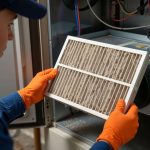
Filters are one of the simplest parts of an HVAC system, but they have a big effect on indoor air quality Niagara results. A dirty filter restricts airflow, makes the blower work harder, and can allow dust to build up around the home. A filter that is too restrictive for your system can also reduce performance. MACKAY Heating & Cooling can help homeowners choose a filter that balances particle capture with proper airflow so the system can run safely and effectively.
Cooling, Humidity, And Comfort
Air conditioning removes heat and moisture from indoor air, but only when the system runs properly. If airflow is weak, the coil is dirty, the refrigerant performance is poor, or the unit is short cycling, humidity can remain high. Indoor air quality Niagara comfort depends on humidity because damp air can feel warmer, smell mustier, and make dust or mould concerns feel worse. A summer AC check can confirm whether your cooling system is helping or hurting humidity control.
Common Indoor Air Quality Problems Niagara Homes Face
Many indoor air quality Niagara problems start quietly. You may notice more dust on furniture, a musty smell in the basement, condensation around cool surfaces, uneven room comfort, allergy symptoms indoors, or a home that feels sticky even when the thermostat is set low. These signs are easy to ignore, but they often point to airflow restrictions, filter issues, high humidity, poor ventilation, or a system that needs maintenance.
Outdoor air can also affect indoor comfort. Health Canada explains that wildfire smoke can impact air quality close to and far from the fire, and it recommends using the highest quality air filter your ventilation system can handle based on the manufacturer’s recommendations. During smoke or poor outdoor air days, indoor air quality Niagara planning should include keeping outdoor pollutants from entering where possible and improving filtration safely.
Humidity And Mould Risk
High indoor humidity is one of the biggest summer concerns because moisture can support mould growth and create musty odours. Health Canada recommends fixing moisture problems quickly and controlling humidity to prevent mould. If your Niagara home has a damp basement, frequent bathroom moisture, sweating ducts, or a cooling system that does not remove moisture well, indoor air quality Niagara support may include AC service, drain checks, airflow balancing, dehumidification, or Indoor Air Quality upgrades.
Dust, Pollen, And Outdoor Air
Dust and pollen can enter through doors, windows, clothing, pets, and leaky areas of the home. Once inside, they can circulate through the HVAC system if filtration and airflow are not managed well. Indoor air quality Niagara homes can improve when homeowners replace filters on time, vacuum with good filtration, reduce clutter that holds dust, and schedule maintenance if airflow seems weak. During high pollen or smoke days, it may be better to keep windows closed and rely on filtered cooling and controlled ventilation.
Simple Summer Steps For Cleaner Indoor Air
Improving indoor air quality Niagara homes need does not always begin with expensive equipment. Many useful steps are simple habits that reduce pollutants, manage moisture, and help your HVAC system perform better. The key is consistency. A clean filter helps today, but it must be checked regularly. A dry bathroom helps today, but the fan must be used often enough. A clean outdoor AC unit helps today, but it must remain clear through the season.
Use this list as a practical starting point for summer comfort. If several problems continue after these steps, MACKAY Heating & Cooling can inspect your HVAC Services, Air Conditioning system, Indoor Air Quality options, and overall airflow. A professional review can separate basic housekeeping issues from equipment performance problems.
- Replace or clean HVAC filters on a regular schedule
- Keep supply and return vents open and unblocked
- Use bathroom and kitchen exhaust fans when creating moisture or odours
- Keep indoor humidity within a comfortable and healthy range
- Clear leaves, weeds, and debris around the outdoor AC unit
- Vacuum and dust more often during pollen season
- Keep windows closed during poor outdoor air or smoke events
- Check for basement moisture, leaks, or musty odours
- Book Air Conditioning service before heavy summer use
- Ask about Indoor Air Quality solutions if symptoms continue
What To Avoid During Summer
Avoid masking indoor air problems with strong fragrances, candles, or plug-in scents, because these products can add more particles or chemicals to indoor air instead of solving the cause. Also avoid blocking vents, running the AC with a clogged filter, ignoring water near the indoor unit, or opening windows during poor outdoor air conditions. Better indoor air quality Niagara results come from controlling the source, improving airflow, and keeping the HVAC system clean.
Maintenance That Supports Indoor Air Quality
Professional maintenance is one of the most reliable ways to improve indoor air quality Niagara homes need during summer. A technician can check whether your AC is moving enough air, whether the coil is clean, whether the drain is clear, whether the filter fits properly, and whether the system is cooling and dehumidifying as it should. These checks matter because a neglected cooling system can still run while doing a poor job of controlling humidity and airborne particles.
Maintenance can also reveal hidden comfort issues. If some rooms are stuffy while others are cold, there may be airflow imbalance or duct issues. If the home feels damp, the AC may not be running long enough or may need service. If dust returns quickly after cleaning, the filter, ductwork, or return airflow may need review. Indoor air quality Niagara improvements are most effective when the whole comfort system is checked together.
When To Book Service
The best time to book summer maintenance is spring or early summer, before the hottest and most humid days arrive. If summer has already started, it is still better to schedule service now than to wait for a breakdown. Indoor air quality Niagara service should be booked sooner if you notice musty smells, high humidity, weak airflow, warm air, water leaks, unusual noises, or family members feeling more irritation indoors.
Smart Upgrades To Improve Indoor Air Quality
Sometimes maintenance and habits are enough, but some homes need stronger indoor air quality Niagara upgrades. Better filtration, air purification, humidity control, ventilation improvements, duct cleaning when appropriate, or targeted comfort systems can help when dust, odours, moisture, or uneven airflow keep returning. The right upgrade depends on the problem. A damp basement needs a different solution than a dusty bedroom or a smoky outdoor air event.
MACKAY Heating & Cooling can help you choose improvements that fit your home instead of guessing. For example, a high-efficiency filter may help, but only if your system can handle it without restricting airflow. A dehumidifier may help a damp home, while a Heat Pump or Mini Split may improve comfort in rooms that the main system does not serve well. Indoor air quality Niagara solutions work best when they are matched to the home’s layout, equipment, and comfort complaints.
Better Filtration And Ventilation
Filtration helps capture particles moving through the HVAC system, while ventilation helps replace stale indoor air with outdoor air when conditions are appropriate. Health Canada explains that ventilation can help improve indoor air quality by removing pollutants and bringing in fresh air, but outdoor air quality and humidity must be considered. For indoor air quality Niagara homes, this means ventilation should be planned carefully during humid days, smoke events, or high pollen periods.
Mini Split Or Heat Pump Support
Some homes have rooms that never feel comfortable because ductwork is limited, sun exposure is high, or additions were built after the original HVAC design. A Mini Split or Heat Pump can support targeted cooling and dehumidification in these problem areas. While these systems are not automatically indoor air quality products, they can improve comfort by helping control temperature and moisture where the main system struggles.
Why Choose MACKAY Heating & Cooling
MACKAY Heating & Cooling understands that indoor air quality Niagara comfort is not solved by one product alone. It takes proper diagnosis, clean equipment, balanced airflow, humidity control, and honest recommendations. The team helps homeowners understand whether their concerns are related to filtration, Air Conditioning performance, ventilation, moisture, ductwork, or a need for Indoor Air Quality upgrades. That practical approach helps families make confident decisions.
When you work with MACKAY Heating & Cooling, you can also connect air quality concerns with complete home comfort services. Indoor Air Quality may relate to HVAC Services, Air Conditioning maintenance, Heat Pump options, Mini Split solutions, Furnace service, Boiler support, and Water Heater safety. This section is ideal for internal links to Indoor Air Quality, HVAC Services, Air Conditioning, Heat Pump, Mini Split, Furnace, Boiler, and Water Heater.
Local Support For Niagara Homes
Niagara homes can have different comfort challenges based on age, insulation, basement moisture, duct layout, and summer exposure. A local team can inspect the system, listen to your concerns, and recommend steps that fit the home instead of offering the same answer to everyone. Indoor air quality Niagara support should feel practical, specific, and focused on long-term comfort.
Make Your Summer Air Cleaner, Fresher, And More Comfortable
Improving indoor air quality Niagara homeowners need this summer starts with understanding what affects the air inside your home. Outdoor pollutants, pollen, smoke, humidity, dust, moisture, poor ventilation, dirty filters, and neglected HVAC equipment can all contribute to stale or uncomfortable air. The good news is that many improvements are practical. Better filter habits, moisture control, ventilation awareness, and seasonal maintenance can make a noticeable difference.
If your home feels dusty, damp, musty, humid, or uncomfortable even with the AC running, MACKAY Heating & Cooling can help. Book Indoor Air Quality support or HVAC Services to review your Air Conditioning system, airflow, filtration, humidity control, Heat Pump or Mini Split options, Furnace needs, Boiler service, and Water Heater comfort. A cleaner, fresher Niagara home starts with the right plan.
Frequently Asked Questions
- How can I improve indoor air quality Niagara homes need in summer?
You can improve indoor air quality Niagara homes need by replacing filters, controlling humidity, using exhaust fans, keeping vents open, reducing dust, and booking HVAC maintenance. - Does air conditioning help indoor air quality Niagara homeowners want?
Yes, air conditioning can help by moving air, filtering particles, and removing moisture, but only when the system is clean, properly sized, and maintained. - What humidity level supports better indoor air quality Niagara comfort?
Health Canada recommends keeping indoor moisture levels and humidity between 30 and 50 percent to help reduce moisture and mould concerns. - Can wildfire smoke affect indoor air quality Niagara homes?
Yes. Wildfire smoke can affect air quality far from the fire, and homeowners should protect indoor air by limiting smoke entry and using suitable filtration. - How often should filters be changed for indoor air quality Niagara improvement?
Filter timing depends on your system, pets, dust, and usage, but filters should be checked regularly and replaced or cleaned when dirty. - When should I call MACKAY Heating & Cooling about indoor air quality Niagara issues?
Call when your home feels humid, dusty, stale, musty, or uncomfortable even after basic filter changes and cleaning.