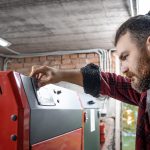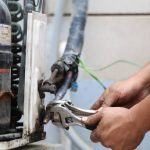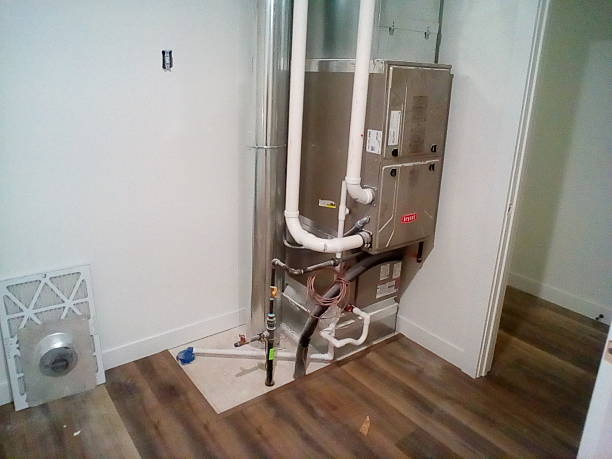
A furnace that refuses to start can disrupt indoor comfort and raise concerns about safety and system reliability. Many homeowners begin searching for solutions when they notice heating failures or unusual system behavior. Before scheduling professional service, understanding the common causes of furnace startup issues can help identify whether the problem is minor or requires expert attention. If troubleshooting steps do not resolve the issue, professional furnace repair near me services can help restore heating performance and ensure safe system operation.
Understanding Common Reasons Behind Furnace Repair Near Me Searches
Heating systems rely on multiple mechanical and electrical components working together. When one part malfunctions, it can prevent the entire system from starting. Recognizing how these problems develop helps homeowners identify early warning signs and respond before larger repairs become necessary.
How Furnace Not Heating Problems Develop in Residential Systems
Furnace startup failures often develop gradually due to component wear, maintenance neglect, or airflow restrictions. Mechanical systems operate under constant pressure during colder seasons, which can cause gradual deterioration in essential components such as ignition systems, sensors, and motors.
When maintenance is overlooked, dust and debris may accumulate inside system components, reducing performance and preventing proper startup. Electrical connections may also loosen over time, interrupting communication between system controls and heating elements. These issues can result in inconsistent heating cycles or complete system failure.
Understanding how furnace not heating problems develop allows homeowners to identify potential mechanical or electrical disruptions before they become severe. Early detection supports timely HVAC troubleshooting and reduces the likelihood of unexpected breakdowns.
Early Warning Signs That Require HVAC Troubleshooting
Several indicators suggest that a furnace may be struggling to operate efficiently. These warning signs typically appear before the system stops functioning completely. Common indicators include inconsistent heating cycles, unusual noises during startup, and delayed ignition response.
Unusual odors, frequent system shutdowns, or reduced airflow may also signal underlying operational problems. When these symptoms appear, HVAC troubleshooting can help identify whether the issue involves thermostat controls, airflow restrictions, or ignition system malfunctions.
Checking Thermostat Issues When a Furnace Won’t Start
Thermostats play a central role in furnace operation by controlling heating cycles and communicating temperature settings to the system. When thermostat malfunctions occur, furnaces may fail to receive activation signals, preventing proper startup.
How Thermostat Issues Prevent Proper Furnace Operation
Incorrect thermostat settings, calibration errors, or wiring faults can disrupt communication between the thermostat and furnace system. If the thermostat fails to signal the furnace to begin heating cycles, the system will remain inactive despite indoor temperature changes.
Battery depletion in digital thermostats may also interrupt system communication. When batteries lose power, thermostats may display inaccurate readings or stop functioning entirely. Wiring damage or loose connections can further prevent proper signal transmission.
Professional service providers such as MACKAY Heating & Cooling often inspect thermostat calibration, wiring connections, and system compatibility during routine maintenance to ensure reliable communication between control components and heating equipment.
HVAC Troubleshooting Steps to Confirm Thermostat Functionality
Basic troubleshooting steps can help determine whether thermostat problems are responsible for furnace startup failures. Checking thermostat settings ensures that heating mode is activated and temperature levels exceed current indoor readings.
Inspecting thermostat power sources helps confirm battery or electrical functionality. Verifying wiring connections and ensuring proper mounting placement can also prevent signal disruption. If troubleshooting steps do not resolve thermostat issues, professional inspection may be necessary to evaluate internal components and system integration.
Inspecting Pilot Light and Ignition System Problems
The ignition system is responsible for activating furnace burners and initiating heat production. When ignition components malfunction, furnaces cannot generate heat even when other system components remain functional.
How Pilot Light Failure Causes Furnace Not Heating
In older furnace systems, pilot lights ignite burners that produce heat during operation. If pilot lights extinguish or fail to ignite, fuel supply may not activate, preventing the heating cycle from beginning.
Pilot light failure may occur due to airflow disturbances, gas supply interruptions, or sensor malfunction. Dirt accumulation around ignition components can also interfere with flame detection sensors, causing the system to shut down for safety reasons.
Regular inspection of pilot light assemblies helps ensure proper burner activation and consistent heating performance.
HVAC Troubleshooting Methods for Ignition System Malfunctions
Troubleshooting ignition system issues requires careful inspection of sensors, wiring, and burner components. Homeowners may visually inspect pilot light assemblies to confirm whether flames remain active and stable.
If pilot lights repeatedly extinguish or ignition systems fail to activate burners, professional inspection may be required to evaluate gas supply connections, flame sensors, and ignition modules. These components require specialized knowledge to diagnose safely.
Basic HVAC Troubleshooting Steps Before Calling Furnace Repair Near Me
Certain troubleshooting procedures can help identify simple issues before contacting professional service providers. Performing basic checks allows homeowners to rule out minor operational disruptions that commonly affect furnace startup.
Power Supply and Circuit Checks for Furnace Not Heating
Electrical supply disruptions often cause furnace startup failure. Checking circuit breakers ensures that the heating system receives uninterrupted electrical power. Resetting tripped breakers may restore system functionality if electrical overloads caused shutdown.
Verifying furnace switch positions also helps confirm that power supply remains active. Many furnaces include dedicated service switches that resemble light switches and may accidentally be turned off.
Electrical troubleshooting helps determine whether startup failure results from power interruptions rather than mechanical malfunctions.
Airflow and Filter Inspections During HVAC Troubleshooting
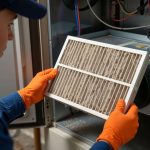
Airflow restrictions can prevent furnaces from operating safely. Dirty air filters block airflow and may trigger system safety shutdowns to prevent overheating. Replacing clogged filters allows air to circulate properly and supports consistent heating performance.
Inspecting air vents and duct openings ensures that airflow remains unobstructed throughout the heating system. When airflow problems persist, professional furnace repair st catharines services can inspect ductwork and internal system components to identify performance restrictions.
When to Stop DIY Troubleshooting and Contact Furnace Repair Near Me
While basic troubleshooting can resolve minor operational issues, certain problems require professional expertise to ensure safe and effective repairs. Recognizing when to stop troubleshooting helps prevent safety hazards and system damage.
Safety Risks Related to Pilot Light and Gas System Problems
Gas supply components require specialized handling to prevent safety hazards. If homeowners detect unusual gas odors, repeated ignition failure, or irregular flame behavior, professional inspection becomes essential. Gas leaks and ignition malfunctions present serious safety concerns that require certified HVAC technicians.
Attempting to repair gas system components without proper training may increase safety risks and compromise furnace operation.
Signs Furnace Not Heating Requires Professional HVAC Troubleshooting
Persistent startup failures, frequent system shutdowns, or inconsistent heating cycles indicate underlying mechanical or electrical problems. Unusual noises, excessive vibration, or visible component damage also suggest that professional service is necessary.
Technicians use specialized diagnostic tools to evaluate furnace performance, inspect internal components, and restore system functionality. Professional troubleshooting ensures accurate diagnosis and long term heating reliability.
Conclusion
Troubleshooting a furnace that will not start requires a clear understanding of system components, operational warning signs, and safe inspection procedures. While homeowners can perform basic checks such as thermostat verification, power supply inspection, and filter replacement, complex mechanical and gas system problems require professional attention. Routine maintenance and early problem detection help maintain heating efficiency and reduce unexpected repair costs.
If your heating system continues to experience startup issues or requires expert inspection, professional technicians can provide reliable solutions. To schedule service or request expert guidance, visit Contact Us and connect with experienced HVAC professionals who can restore your furnace performance safely and efficiently.
FAQs
1. Why does my furnace suddenly stop starting?
Furnace startup failure may occur due to thermostat malfunction, ignition system failure, airflow restrictions, or electrical supply disruptions. Proper troubleshooting helps identify the specific cause.
2. Can a dirty air filter prevent a furnace from starting?
Yes, clogged air filters can restrict airflow and trigger safety shutdowns that prevent furnace operation. Replacing filters supports consistent heating performance.
3. How do I know if thermostat problems are causing furnace failure?
Incorrect temperature settings, blank thermostat displays, or delayed heating response often indicate thermostat malfunction. Checking power sources and calibration can help confirm functionality.
4. Is it safe to relight a furnace pilot light without professional assistance?
Relighting pilot lights requires careful safety precautions. If ignition problems occur repeatedly, professional inspection is recommended to prevent gas system hazards.
5. When should I contact professional furnace repair services?
Professional repair is recommended when troubleshooting does not resolve startup problems, when gas system issues are suspected, or when unusual system behavior continues after basic inspections.