A reliable furnace keeps your home comfortable throughout the colder months, but like any HVAC system, it requires regular maintenance to perform efficiently. Skipping routine maintenance can lead to unexpected breakdowns, higher energy bills, and expensive repairs. By following proper maintenance practices and scheduling professional inspections, homeowners can improve system performance and extend the lifespan of their heating equipment. If you are searching for dependable furnace repair near me services, understanding preventive furnace maintenance can help you avoid costly heating problems before they occur.
Why Furnace Maintenance Is Essential for Every Home
Regular furnace maintenance is one of the most effective ways to keep a heating system operating safely and efficiently. A well-maintained furnace experiences less wear, performs better during heavy use, and is less likely to fail unexpectedly.
Preventive maintenance not only improves comfort but also helps homeowners avoid major repair expenses.
How Regular Maintenance Prevents Unexpected Furnace Breakdowns
Every furnace experiences normal wear as it operates throughout the heating season. Dust accumulation, dirty filters, worn components, and airflow restrictions can gradually reduce performance.
Routine maintenance allows technicians to identify these issues early and correct them before they cause system failure. Addressing small concerns during maintenance reduces the risk of sudden breakdowns when reliable heating is needed most.
The Benefits of Routine Furnace Care for Efficiency and Comfort
Maintaining a furnace provides several important advantages, including:
- More consistent indoor temperatures
- Better airflow throughout the home
- Improved energy efficiency
- Lower monthly utility costs
- Reduced equipment wear
- Increased system reliability
A properly maintained heating system delivers dependable comfort while operating more efficiently throughout the season.
Essential Furnace Maintenance Tasks Homeowners Should Follow
Although professional servicing is important, homeowners can also perform several basic maintenance tasks to support furnace performance.
Replace or Clean Air Filters Regularly
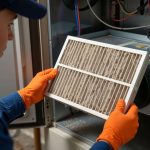
Air filters capture dust, dirt, and airborne particles before they enter the furnace. Over time, clogged filters restrict airflow and force the system to work harder.
Replacing or cleaning filters according to the manufacturer’s recommendations improves airflow, enhances heating performance, and helps reduce strain on the furnace.
Keep Vents, Registers, and the Furnace Area Clean
Supply vents and return registers should remain free from dust, furniture, and other obstructions. Blocked airflow reduces heating efficiency and places additional stress on the furnace.
The area surrounding the furnace should also remain clean and free of stored items to allow proper ventilation and provide easy access during maintenance.
Check the Thermostat and Airflow Performance
A properly functioning thermostat helps maintain consistent indoor temperatures while improving energy efficiency.
Homeowners should periodically verify that the thermostat responds correctly and that warm air flows evenly through all supply vents. Any noticeable airflow reduction or inconsistent heating may indicate a developing system problem.
Professional Furnace Maintenance Services That Improve System Performance
While homeowner maintenance is beneficial, professional furnace servicing provides a much more detailed inspection of the heating system.
Experienced HVAC technicians use specialized tools to evaluate internal components, verify system safety, and identify issues that may not be visible during routine homeowner inspections.
Around this stage, scheduling service with experienced professionals becomes important. MacKay Heating & Cooling provides comprehensive furnace maintenance designed to improve heating performance and reduce the risk of unexpected breakdowns.
Inspecting Burners, Heat Exchanger, and Electrical Components
Professional technicians inspect critical furnace components, including burners, the heat exchanger, ignition system, blower assembly, wiring, and electrical connections.
They check for signs of wear, corrosion, loose connections, and performance issues that could affect heating efficiency or system safety.
Testing Safety Controls and System Efficiency
Modern furnaces include multiple safety controls that protect the equipment and household during operation.
Technicians test these controls to verify proper operation while also measuring system efficiency, airflow, combustion performance, and thermostat accuracy.
These inspections help ensure the furnace operates safely and efficiently throughout the heating season.
Identifying Small Issues Before They Become Costly Repairs
Many major furnace failures begin as relatively small problems.
Professional maintenance helps identify worn belts, aging electrical components, airflow restrictions, or ignition issues before they develop into expensive repairs or complete system breakdowns.
Early repairs typically cost less than emergency service after a furnace failure.
Warning Signs You Should Search for Furnace Repair Near Me
Even with regular maintenance, homeowners should recognize warning signs that indicate professional furnace repair may be necessary.
Unusual Noises, Weak Heating, and Frequent Cycling
A furnace should operate quietly and provide consistent heating. Grinding, banging, rattling, or squealing noises often indicate mechanical wear or loose components.
Weak heating performance, short heating cycles, or frequent system cycling may also signal problems that require professional diagnosis.
Ignoring these warning signs can increase equipment wear and reduce overall heating efficiency.
Rising Energy Bills and Uneven Home Heating
Unexpected increases in heating costs often indicate declining furnace efficiency.
Uneven temperatures between rooms, cold spots, or longer heating cycles may suggest airflow restrictions, burner problems, thermostat issues, or other internal system concerns.
Professional diagnosis helps determine the underlying cause and restore efficient furnace operation.
How Routine Maintenance of Furnace Reduces Repair Costs
Preventive maintenance offers significant long-term financial benefits by reducing the likelihood of major system failures.
Extending Furnace Lifespan
A furnace that receives regular maintenance typically experiences less mechanical stress and component wear.
Keeping the system clean and addressing minor issues promptly helps maximize its expected service life.
Improving Energy Efficiency and Reducing Utility Bills
Clean filters, properly adjusted burners, unrestricted airflow, and well-maintained components allow the furnace to operate more efficiently.
Higher efficiency reduces energy consumption while maintaining consistent indoor comfort throughout the heating season.
For homeowners looking for dependable furnace service near me, professional maintenance services help improve efficiency and keep heating systems operating at peak performance.
Avoiding Emergency Furnace Repairs
Unexpected furnace failures often occur because small maintenance issues were left unresolved.
Routine inspections greatly reduce the likelihood of emergency breakdowns by identifying developing problems before they become serious.
Preventive maintenance provides greater reliability during periods of heavy furnace use.
Choosing a Reliable Furnace Repair and Maintenance Company
Selecting an experienced HVAC contractor is an important part of protecting your heating investment.
What to Look for in a Qualified HVAC Professional
Choose a company with licensed technicians, extensive furnace experience, positive customer reviews, and a strong reputation for quality workmanship.
Experienced professionals perform detailed inspections and follow manufacturer recommendations during maintenance and repairs.
Why Annual Furnace Maintenance Is a Smart Investment
Scheduling professional furnace maintenance once each year helps maintain efficiency, improve reliability, and reduce long-term repair costs.
Annual servicing also allows technicians to monitor equipment condition and recommend maintenance before problems become more expensive.
Conclusion: Protect Your Heating System With Regular Furnace Maintenance
Routine furnace maintenance is one of the most effective ways to improve heating performance, lower operating costs, and reduce the risk of unexpected breakdowns. Combining simple homeowner maintenance with annual professional inspections helps keep the entire heating system operating safely and efficiently.
By replacing filters, maintaining proper airflow, inspecting important components, and addressing minor issues early, homeowners can extend furnace lifespan while avoiding costly emergency repairs.
FAQs
1. How often should a furnace receive professional maintenance?
Most HVAC professionals recommend scheduling furnace maintenance once each year before the heating season begins to ensure safe and efficient operation.
2. Why is replacing the furnace air filter important?
A clean air filter improves airflow, increases heating efficiency, reduces strain on the furnace, and helps maintain better indoor air quality.
3. What are the most common signs that my furnace needs repair?
Common warning signs include unusual noises, weak heating, uneven temperatures, frequent cycling, rising energy bills, and poor airflow.
4. Can regular furnace maintenance reduce repair costs?
Yes. Routine maintenance helps identify minor issues early, preventing larger problems that often require more expensive repairs.
5. Why should I hire a professional for furnace maintenance?
Professional HVAC technicians have the training and equipment to inspect internal components, test safety controls, improve system efficiency, and identify developing issues that homeowners may not notice.