A dependable furnace becomes especially important once colder weather reaches Niagara-on-the-Lake. During winter, your heating system may operate for many hours each day, and even a small maintenance issue can lead to weak airflow, uneven heating, higher energy use, or an unexpected shutdown. Following a practical furnace maintenance Niagara-on-the-Lake checklist can help homeowners identify simple problems early and prepare their heating equipment before temperatures fall.
MACKAY Heating & Cooling helps homeowners maintain safe, efficient, and dependable heating systems throughout the Niagara Region. Regular furnace maintenance Niagara-on-the-Lake is about more than preventing breakdowns. It also supports consistent comfort, proper airflow, safer equipment operation, and better long-term system performance. This guide covers homeowner checks, professional maintenance, filters, vents, thermostats, carbon monoxide safety, and warning signs that indicate your Furnace needs professional attention.
Why Furnace Maintenance Is Important Before Winter
Regular furnace maintenance Niagara-on-the-Lake helps prepare heating equipment for the heavy workload of an Ontario winter. Filters accumulate dust, electrical parts experience wear, burners can require attention, and airflow can become restricted over time. These conditions may not immediately stop the furnace, but they can increase run times, reduce comfort, and place additional stress on the system. Natural Resources Canada recommends following manufacturer maintenance procedures and having heating systems checked by qualified professionals at appropriate intervals.
Maintenance also gives homeowners an opportunity to find developing problems before they become emergency repairs. A furnace that struggles to start in October is easier to address than one that stops completely during a freezing January night. Professional furnace maintenance Niagara-on-the-Lake can include checking controls, combustion components, airflow, electrical connections, venting, and system operation. MACKAY Heating & Cooling can also identify whether a comfort problem is related to the Furnace itself, ductwork, thermostat, Indoor Air Quality, or another HVAC Services concern.
Schedule Maintenance Before Peak Heating Season
Early fall is an ideal time to arrange furnace maintenance Niagara-on-the-Lake because the equipment can be inspected before it is needed every day. Booking early also gives you time to complete recommended repairs without waiting for a no-heat emergency. If fall has already passed, however, maintenance can still be worthwhile during winter, particularly if the system has not been inspected recently.
Check And Replace The Furnace Filter Regularly
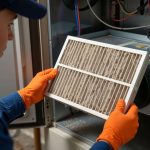
The air filter is one of the simplest furnace components homeowners can maintain, but it has a major effect on system performance. A dirty filter restricts the amount of air moving through the equipment. That can reduce comfort, make the blower work harder, contribute to overheating, and increase energy consumption. Natural Resources Canada recommends inspecting, cleaning, or replacing HVAC filters regularly and following the manufacturer’s instructions for the correct schedule.
There is no single replacement interval that works for every home. The right schedule depends on the filter type, pets, dust levels, renovation activity, household occupancy, and how often the heating system runs. As part of furnace maintenance Niagara-on-the-Lake, check your filter regularly rather than assuming it will remain clean for a fixed number of months. If it looks heavily loaded with dust or airflow has weakened, replace it with the correct type and size recommended for your equipment.
Why Filter Selection Matters
A filter should capture appropriate particles without restricting the airflow your system needs. Installing a very restrictive filter without confirming compatibility can create performance problems. During professional furnace maintenance Niagara-on-the-Lake, ask your technician whether your current filter is appropriate for your Furnace and Indoor Air Quality goals.
Do Not Run The Furnace Without A Filter
Removing a dirty filter and operating the system without a replacement is not a good solution. Dust and debris can enter the blower and other components, creating additional maintenance concerns. Keep replacement filters available so a dirty filter can be changed promptly.
Inspect Supply Vents And Return Air Grilles
Your furnace depends on a continuous path for air to return to the equipment, pass through the system, and travel back into your rooms. Furniture, rugs, curtains, boxes, and other items can block supply registers or return air grilles. Natural Resources Canada recommends keeping return-air grilles and warm-air vents clean and free from obstructions.
Include a room-by-room airflow check in your furnace maintenance Niagara-on-the-Lake routine. Make sure vents are open unless an HVAC professional has recommended otherwise, remove dust from accessible grilles, and avoid placing large furniture directly in front of returns. If one area still receives much less heat than others, the problem may involve ductwork, dampers, blower performance, insulation, or overall system balancing rather than the register itself.
Watch For Uneven Heating
If bedrooms remain cold while other rooms become too warm, make a note before your maintenance appointment. Uneven temperatures are useful diagnostic clues. A furnace maintenance Niagara-on-the-Lake visit can help determine whether the problem comes from airflow restrictions, duct design, thermostat location, equipment performance, or another home comfort issue.
Test Your Thermostat Before Cold Weather Arrives
The thermostat controls when your heating system starts and stops, so incorrect settings or a failing thermostat can create symptoms that look like furnace problems. Before winter, switch the thermostat to HEAT, set the temperature slightly above the current room temperature, and confirm that the furnace begins its normal heating cycle. Listen to the startup and verify that warm air eventually reaches the supply vents.
For furnace maintenance Niagara-on-the-Lake, also check thermostat batteries if your model uses them and confirm that schedules still match your household routine. A programmable or smart thermostat can reduce unnecessary heating when the home is empty or everyone is sleeping, but extreme setbacks can affect comfort and recovery time. If the thermostat reading seems inaccurate or the furnace does not respond consistently, ask MACKAY Heating & Cooling to inspect the thermostat and controls during your HVAC Services appointment.
Avoid Constantly Changing The Temperature
Frequent large thermostat changes do not necessarily heat the home more effectively. Choose comfortable settings and let the heating system operate as designed. If you constantly need to raise the thermostat because rooms remain cold, furnace maintenance Niagara-on-the-Lake may reveal an airflow, equipment, insulation, or control problem.
What Homeowners Can Safely Check
A homeowner furnace maintenance Niagara-on-the-Lake checklist should focus on observations and simple tasks rather than opening combustion or electrical compartments. You can replace filters, clear vents, check thermostat settings, look around the equipment, and listen for changes in operation. Anything involving burners, gas connections, internal wiring, venting adjustments, or safety controls should be left to a qualified technician.
Walk through this checklist before the main heating season begins and repeat the simple items periodically throughout winter. Write down anything that appears unusual so you can describe it accurately during professional service. Furnace maintenance Niagara-on-the-Lake is more effective when homeowners notice changes early instead of waiting until the furnace stops heating completely.
- Check the furnace filter and replace it when needed.
- Keep supply vents and return grilles open and unobstructed.
- Test the thermostat in heating mode.
- Replace thermostat batteries if required.
- Keep the area around the Furnace clear.
- Listen for banging, squealing, grinding, or repeated clicking.
- Check for unusual odours during operation.
- Look for visible rust, moisture, soot, or damaged venting.
- Make sure outdoor exhaust openings remain clear.
- Test carbon monoxide alarms according to manufacturer instructions.
- Note rooms with weak airflow or uneven temperatures.
- Schedule professional maintenance before peak winter conditions.
Keep The Furnace Area Clear
Avoid storing cardboard boxes, cleaning chemicals, paint, paper, fabrics, or other combustible materials close to heating equipment. Clear access also makes professional furnace maintenance Niagara-on-the-Lake easier because the technician can safely inspect and service the unit without obstacles.
Pay Attention To Furnace Sounds And Smells
Every furnace makes some normal sounds while starting, heating, circulating air, and shutting down. However, new banging, grinding, squealing, rattling, buzzing, or repeated clicking deserves attention. A sound may involve a blower motor, loose component, ignition sequence, airflow issue, or another mechanical problem. The exact cause cannot reliably be diagnosed from sound alone, which is why noticeable changes should be mentioned during furnace maintenance Niagara-on-the-Lake.
Smells should also be monitored carefully. A brief dusty smell when the furnace first starts after months of inactivity may disappear quickly, but persistent burning, electrical, gas, or unusual exhaust odours require attention. Do not attempt DIY repairs involving combustion or electrical components. If you suspect a gas leak or another immediate hazard, leave the area and contact the appropriate emergency service. Routine furnace maintenance Niagara-on-the-Lake should help identify equipment problems before they reach that stage.
When A Noise Means You Should Call Quickly
Grinding, loud banging, repeated ignition attempts, or a blower that sounds severely strained should not be ignored. Turn the system off if operation appears unsafe and arrange professional Furnace service. Continuing to run damaged components can sometimes turn a manageable repair into a larger failure.
Check Exhaust Vents And Outdoor Openings
Fuel-burning furnaces must safely vent combustion gases outdoors. During fall and winter, exterior vent openings can become obstructed by leaves, snow, ice, nests, or other debris. Health Canada specifically advises homeowners to inspect furnace and other exhaust vents during and after snowstorms to make sure they are not blocked by snow, ice, or debris.
As part of furnace maintenance Niagara-on-the-Lake, visually check accessible exterior exhaust and intake openings without altering or dismantling them. If you notice damaged pipes, significant corrosion, disconnected venting, or anything that does not look correct, contact a professional. Venting is a safety-related system and should not be modified as a DIY task. MACKAY Heating & Cooling can inspect furnace venting during professional maintenance and determine whether corrective work is required.
Never Cover Furnace Vents
Homeowners sometimes place objects near exterior vents without realizing what they are. Keep these openings clear throughout the heating season. During heavy snowfall, include them in your outdoor property check so accumulation does not obstruct normal system operation.
Make Carbon Monoxide Safety Part Of Furnace Maintenance
Carbon monoxide is colourless, odourless, and tasteless, which means people cannot rely on their senses to detect it. Health Canada explains that fuel-burning appliances can release carbon monoxide when they malfunction or are improperly installed, maintained, or vented. It recommends professional inspection of fuel-burning appliances at least annually or according to manufacturer instructions.
Carbon monoxide awareness should therefore be a core part of furnace maintenance Niagara-on-the-Lake. Make sure your home has functioning carbon monoxide alarms and follow the manufacturer’s instructions for testing and replacement. If an alarm sounds, Health Canada advises leaving the home immediately, moving to fresh air, and calling 9-1-1, the fire department, or emergency services from outside. Do not search for the source yourself and do not return until professionals say it is safe.
Professional Inspection Supports Safer Operation
During professional furnace maintenance Niagara-on-the-Lake, a technician can inspect appropriate combustion, venting, and safety components based on the equipment type. This does not replace carbon monoxide alarms. The two work together: maintenance can help reduce equipment-related risks, while alarms provide critical warning if carbon monoxide is detected.
What Professional Furnace Maintenance Should Include
Homeowner maintenance is useful, but it does not replace qualified service. Natural Resources Canada says contractors preparing heating systems for winter should check controls and inspect relevant gas or oil connections, gas pressure, burner combustion, and the heat exchanger. It also notes that improperly functioning fuel connections, dirty burners, or a cracked heat exchanger can affect safe and efficient system operation.
A professional furnace maintenance Niagara-on-the-Lake appointment may therefore include a system-specific inspection of controls, thermostat operation, blower components, airflow, electrical connections, burners, ignition, venting, safety devices, and other relevant components. The exact checklist depends on the furnace type and manufacturer. MACKAY Heating & Cooling can explain what was inspected, what condition the equipment is in, and whether repair or additional HVAC Services should be planned.
Ask For A Clear Maintenance Summary
After furnace maintenance Niagara-on-the-Lake, you should understand whether the furnace is operating normally, which components may need attention, and whether any repair should be scheduled before winter demand increases. Clear communication helps you distinguish routine maintenance recommendations from urgent safety concerns.
Maintenance Can Help Control Heating Costs
A furnace that has to overcome clogged filters, restricted airflow, dirty components, or control problems may use more energy while delivering less comfort. Natural Resources Canada notes that a well-tuned, efficiently operating HVAC system can contribute to lower annual energy costs, while dirty filters can increase energy consumption and potentially damage equipment.
Furnace maintenance Niagara-on-the-Lake does not guarantee a particular percentage of savings because every home and heating system is different. However, keeping the equipment clean, maintaining correct airflow, and repairing developing problems can help reduce avoidable energy waste. Homeowners should also look beyond the furnace itself. Insulation, air leakage, windows, thermostat habits, and duct condition can influence how much energy a home requires to remain comfortable.
Watch For Sudden Changes In Energy Use
If heating bills rise sharply without an obvious change in weather or energy prices, look at system performance. Longer run times, weak airflow, short cycling, and uneven temperatures may indicate a problem. A furnace maintenance Niagara-on-the-Lake appointment can help determine whether the equipment is contributing to the change.
Know The Warning Signs That Maintenance Is Not Enough
Maintenance is intended to keep functioning equipment in better condition, but it cannot fix every failed component. If your furnace is blowing cold air, repeatedly shutting down, tripping breakers, producing abnormal smells, making severe mechanical noises, or failing to maintain temperature, you may need Furnace repair rather than a standard tune-up. Mention these symptoms when scheduling so the service team understands the situation.
Repeated repairs can also indicate that the system is approaching the point where replacement deserves consideration. Furnace maintenance Niagara-on-the-Lake provides a useful opportunity to discuss equipment condition before a breakdown forces a rushed decision. MACKAY Heating & Cooling can explain whether continued maintenance and repair remain practical or whether a newer Furnace, Heat Pump, or other heating solution may provide better long-term reliability.
Do Not Ignore Short Cycling
A furnace that repeatedly starts and stops without completing normal heating cycles may have an airflow, thermostat, overheating, ignition, sizing, or control issue. Short cycling places unnecessary stress on components and should be diagnosed rather than treated as normal winter operation.
How Furnace Maintenance Supports Indoor Air Quality
Heating systems move large volumes of air through a home, so filtration and airflow can influence Indoor Air Quality. A heavily clogged filter may reduce airflow, while dusty return grilles and blocked vents can interfere with circulation. Regular furnace maintenance Niagara-on-the-Lake provides an opportunity to check basic filtration and airflow conditions while identifying whether persistent dust, dry air, odours, or other comfort problems need additional attention.
Furnace maintenance alone will not solve every indoor air concern because pollutant sources, ventilation, humidity, pets, renovations, and household activities also matter. However, maintaining the HVAC system provides a strong foundation. If your home experiences ongoing winter dryness, excessive dust, uneven airflow, or stale air, ask MACKAY Heating & Cooling whether Indoor Air Quality services or broader HVAC Services should be considered along with routine Furnace care.
Filters Are Only One Part Of Indoor Air Quality
Higher-efficiency filtration can be useful in some homes, but the filter must be compatible with the HVAC system’s airflow requirements. Before switching to a substantially different filter, ask a qualified technician whether it is appropriate for your equipment.
Why Choose MACKAY Heating & Cooling
MACKAY Heating & Cooling understands the heating needs of homeowners throughout Niagara and can provide furnace maintenance Niagara-on-the-Lake focused on dependable winter operation. A professional maintenance visit can help identify airflow concerns, component wear, control problems, and safety-related issues before they develop into inconvenient breakdowns. The goal is to give homeowners useful information about their equipment rather than waiting for a no-heat emergency.
MACKAY Heating & Cooling can also support broader home comfort needs through Furnace, HVAC Services, Heat Pump, Air Conditioning, Mini Split, Indoor Air Quality, Boiler, and Water Heater services. If furnace maintenance Niagara-on-the-Lake reveals an aging system, uneven rooms, air quality concerns, or problems involving another home comfort system, these related services can help homeowners plan the next step with greater confidence.
Local Heating Support For Niagara-on-the-Lake Homes
Homes throughout Niagara-on-the-Lake vary in age, insulation, duct layout, heating equipment, and comfort needs. A professional inspection can take those differences into account and provide recommendations based on the actual property rather than a generic maintenance checklist.
Prepare Your Furnace Before Winter Tests It
A practical furnace maintenance Niagara-on-the-Lake routine starts with straightforward homeowner tasks such as checking filters, clearing vents, testing the thermostat, monitoring sounds and smells, checking exterior vent openings, and maintaining working carbon monoxide alarms. Professional service adds the deeper inspection needed for controls, combustion components, electrical parts, airflow, safety systems, and overall furnace operation.
If your heating system has not been checked recently, MACKAY Heating & Cooling can help you prepare before cold weather puts it under heavier demand. Schedule furnace maintenance Niagara-on-the-Lake and ask about Furnace service, HVAC Services, Heat Pump options, Indoor Air Quality, Boiler, Water Heater, Mini Split, and Air Conditioning support. Preventive attention today can help you enjoy more dependable comfort throughout the winter.
Frequently Asked Questions
Furnace maintenance can feel straightforward, but homeowners often have questions about timing, filters, professional inspections, and which warning signs require repair. Building a consistent furnace maintenance Niagara-on-the-Lake routine makes it easier to identify changes before heating performance declines.
The answers below provide general guidance for Niagara-on-the-Lake homeowners. Always follow the manufacturer’s instructions for your specific equipment, and use a qualified professional for combustion, electrical, venting, gas, or safety-related work.
-
How often should I schedule furnace maintenance Niagara-on-the-Lake service?
For a practical homeowner schedule, an annual pre-season professional check is a strong approach, especially for fuel-burning equipment. Health Canada recommends professional inspection of fuel-burning appliances at least annually or according to manufacturer instructions. -
When is the best time for furnace maintenance Niagara-on-the-Lake?
Early fall is an ideal time because the Furnace can be inspected before daily winter operation begins. If you missed fall maintenance, however, service can still be beneficial during the heating season. -
How often should I check the filter during furnace maintenance Niagara-on-the-Lake?
Check it regularly and follow your furnace and filter manufacturer’s recommendations. Replace or clean it when loaded with dust, since restricted airflow can increase energy use and affect equipment performance. -
Can I perform furnace maintenance Niagara-on-the-Lake myself?
Homeowners can safely handle basic tasks such as filter replacement, clearing vents, testing thermostats, and observing equipment. Combustion, gas, wiring, venting, and internal component work should be left to qualified professionals. -
Does furnace maintenance Niagara-on-the-Lake help prevent breakdowns?
Regular maintenance can identify developing concerns such as dirty components, restricted airflow, worn parts, and control problems before they contribute to an unexpected failure, although no maintenance program can prevent every possible breakdown. -
What furnace problems require service instead of routine maintenance?
Cold air, repeated shutdowns, unusual combustion smells, severe noises, breaker trips, ignition problems, or inability to maintain temperature may require professional repair rather than a standard tune-up.