Installing a new central air conditioning system is one of the most important investments homeowners can make to improve indoor comfort and energy efficiency. A properly selected and professionally installed system can provide reliable cooling for years while helping control energy costs and maintain a comfortable indoor environment during warm weather. However, choosing the right equipment and ensuring proper installation requires careful planning and professional expertise.
If you are searching for reliable central air installation near me services, understanding the installation process and key factors involved can help you make informed decisions that support long term comfort and performance.
Why Professional Central Air Installation Is Important
How Proper Installation Affects Comfort and Performance
The performance of a central air conditioning system depends heavily on proper installation. Even the most advanced equipment can struggle to deliver consistent cooling if it is not installed correctly.
Professional installation ensures that all components work together efficiently. Proper airflow, refrigerant levels, electrical connections, and ductwork integration contribute to optimal system performance. When installation is completed according to manufacturer specifications, homeowners can enjoy more consistent temperatures and improved indoor comfort throughout the home.
Correct installation also helps prevent issues such as uneven cooling, excessive humidity, and unnecessary system strain.
Preventing Future Repair and Efficiency Issues
Improper installation is one of the leading causes of premature air conditioning problems. Incorrect sizing, poor airflow design, and installation errors can reduce efficiency and increase wear on system components.
Professional installers follow industry standards and manufacturer guidelines to minimize the risk of future breakdowns. This attention to detail helps reduce repair costs and improves the overall reliability of the system.
Investing in professional installation often leads to better long term performance and fewer unexpected service calls.
Benefits of Installing a Central Air Conditioning System
Improved Indoor Comfort Throughout the Home
One of the primary benefits of central air conditioning is its ability to provide even cooling across multiple rooms. Unlike portable or window units, central systems distribute conditioned air throughout the home using a network of ducts and vents.
This consistent cooling helps eliminate hot spots and creates a more comfortable indoor environment. Homeowners can maintain desired temperatures more effectively while improving overall living conditions during warmer seasons.
Modern central air systems also support better humidity control, which contributes to improved comfort and indoor air quality.
Better Energy Efficiency and Consistent Cooling
Today’s central air conditioning systems are designed with energy efficiency in mind. Many models feature advanced technologies that help reduce energy consumption while maintaining strong cooling performance.
Energy efficient systems offer several advantages:
- Lower monthly utility bills
- More consistent indoor temperatures
- Reduced environmental impact
- Improved system performance
- Enhanced comfort throughout the home
When combined with professional installation, these benefits become even more significant over the life of the system.
Factors to Consider Before Installing a New AC System
Home Size, Layout, and Cooling Requirements
Every home has unique cooling requirements. Factors such as square footage, ceiling height, insulation levels, window placement, and room configuration all influence system selection.
A professional evaluation helps determine the appropriate cooling capacity needed to maintain comfort without overworking the equipment.
An undersized unit may struggle to cool the home effectively, while an oversized system can cycle too frequently, reducing efficiency and increasing wear on components.
Proper system sizing is essential for achieving the best balance between comfort and energy savings.
Existing Ductwork and Ventilation Considerations
Existing ductwork plays a critical role in central air performance. Before installation begins, technicians evaluate duct condition, sizing, airflow, and overall efficiency.
Poorly designed or damaged duct systems can reduce cooling effectiveness and increase energy consumption. In some cases, duct modifications or repairs may be necessary to support optimal system performance.
Professional assessments ensure that the ventilation system can properly distribute conditioned air throughout the home.
Choosing the Right Central Air Conditioning System
Understanding AC Capacity and System Sizing
Air conditioning capacity is measured in tons or British Thermal Units (BTUs). Selecting the correct capacity is one of the most important aspects of system design.
Professional HVAC companies perform detailed load calculations to determine the ideal system size based on the home’s specific characteristics.
Experienced providers such as MACKAY Heating & Cooling evaluate factors including insulation levels, sun exposure, occupancy, and airflow requirements to recommend appropriate equipment.
Accurate sizing helps maximize efficiency, comfort, and equipment lifespan.
Comparing Energy Efficiency Ratings and Features
When comparing central air systems, homeowners should pay close attention to energy efficiency ratings.
Higher Seasonal Energy Efficiency Ratio (SEER) ratings generally indicate better efficiency and lower operating costs. Modern systems may also include advanced features such as:
- Variable speed compressors
- Smart thermostat compatibility
- Enhanced humidity control
- Quiet operation technology
- Multi stage cooling capabilities
These features can improve comfort while supporting greater energy savings over time.
Signs It May Be Time to Replace Your Existing AC System
Frequent Breakdowns and Rising Repair Costs
As air conditioning systems age, repairs often become more frequent and expensive. Components may wear out, efficiency may decline, and reliability can decrease significantly.
When repair costs continue to increase, replacement may provide a more cost effective solution. Investing in a modern system often delivers improved performance and lower operating expenses.
Frequent service calls can indicate that the existing equipment is approaching the end of its useful lifespan.
Reduced Cooling Performance and Higher Energy Bills
Older systems often lose efficiency over time. Homeowners may notice longer cooling cycles, inconsistent temperatures, and rising utility costs.
Reduced performance can result from aging components, declining refrigerant efficiency, and normal wear throughout the system.
Many homeowners researching an ac installer near me discover that upgrading to a newer, properly sized system can significantly improve comfort while reducing monthly energy expenses.
Professional evaluations help determine whether replacement is the most practical option.
Understanding the Central Air Installation Process
Home Evaluation and System Recommendations
The installation process begins with a detailed assessment of the home and existing HVAC infrastructure.
Technicians evaluate:
- Home size and layout
- Existing ductwork
- Insulation levels
- Ventilation performance
- Current equipment condition
- Cooling requirements
Based on this information, appropriate system recommendations are provided to meet the home’s specific needs.
This planning stage helps ensure the selected equipment delivers reliable and efficient cooling performance.
Equipment Installation, Testing, and Final Inspection
Once the system has been selected, installation begins.
Professional installation typically includes:
- Removal of old equipment if necessary
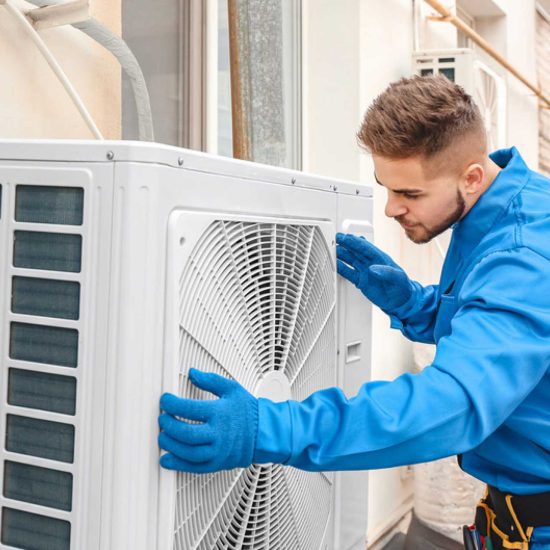
- Placement of indoor and outdoor units
- Refrigerant line installation
- Electrical connections
- Ductwork integration
- Thermostat setup
After installation is complete, technicians conduct comprehensive testing to verify proper operation. Airflow, cooling performance, refrigerant levels, and electrical systems are inspected to ensure everything functions correctly.
A final inspection confirms that the installation meets safety standards and manufacturer requirements.
Why Working With an Experienced AC Installer Near Me Matters
Accurate Sizing and Professional Installation Practices
Experienced HVAC professionals understand the complexities involved in central air installation.
Accurate sizing calculations, proper airflow design, and correct installation techniques all contribute to system reliability and efficiency. Professional installers follow proven procedures that help maximize equipment performance while minimizing future issues.
Their expertise helps homeowners avoid common installation mistakes that can affect comfort and operating costs.
Compliance With Safety Standards and Manufacturer Requirements
Modern air conditioning systems must meet various safety, building code, and manufacturer specifications.
Professional installers ensure all aspects of the installation comply with these requirements. This protects warranty coverage and helps maintain safe system operation.
Proper compliance also reduces the likelihood of future performance problems related to installation errors.
How Proper Installation Supports Long Term Savings
Improved Energy Efficiency and Lower Utility Costs
Proper installation allows the system to operate as designed. Efficient airflow, correct refrigerant charging, and accurate thermostat calibration all contribute to reduced energy consumption.
Over time, improved efficiency can result in significant utility savings while maintaining consistent indoor comfort.
Energy efficient operation also reduces strain on components, helping extend equipment lifespan.
Reduced Need for Home Air Conditioner Repair Near Me Services
A properly installed system is less likely to experience preventable breakdowns caused by installation defects.
When all components are configured correctly from the beginning, the system operates more reliably and requires fewer corrective repairs.
Although routine maintenance remains important, professional installation significantly reduces the likelihood of recurring issues and unexpected repair expenses.
Tips for Maintaining Your New Central Air System
Regular Filter Replacement and Routine Maintenance
Routine maintenance is essential for protecting your investment and maintaining peak system performance.
Recommended maintenance practices include:
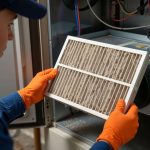
- Replacing air filters regularly
- Keeping outdoor units free from debris
- Monitoring thermostat settings
- Cleaning vents and registers
- Scheduling annual maintenance visits
These simple tasks help support efficient airflow and reduce wear on critical components.
Scheduling Professional Inspections for Optimal Performance
Professional inspections help identify minor issues before they become costly repairs.
Annual maintenance visits typically include:
- Refrigerant level verification
- Electrical system testing
- Coil cleaning
- Airflow evaluation
- Safety inspections
These preventative services help maintain efficiency, improve reliability, and extend the life of the equipment.
Conclusion
Installing a new central air conditioning system is a significant investment that can improve comfort, energy efficiency, and indoor air quality for many years. Proper equipment selection, accurate sizing, and professional installation all play critical roles in achieving the best results.
By working with experienced HVAC professionals and maintaining the system regularly, homeowners can maximize performance while minimizing future repair costs. Whether you are replacing an aging unit or installing central air for the first time, professional guidance helps ensure long term success. For expert advice and installation assistance, visit the contact page to connect with experienced HVAC specialists.
Frequently Asked Questions
1. How long does central air installation typically take?
Most residential central air installations can be completed within one to two days, depending on the complexity of the project and any ductwork modifications required.
2. How do I know what size AC system my home needs?
A professional HVAC contractor performs a load calculation based on home size, insulation, windows, and other factors to determine the correct system size.
3. Is replacing ductwork always necessary when installing a new AC system?
Not always. Existing ductwork may be suitable if it is properly sized and in good condition. Professional evaluation determines whether modifications are needed.
4. What is a good SEER rating for a new air conditioner?
Higher SEER ratings generally provide better energy efficiency. The ideal rating depends on climate, budget, and long term energy saving goals.
5. How often should a new central air system be serviced?
Most manufacturers recommend professional maintenance at least once per year to maintain performance and protect warranty coverage.