When your radiators are not heating evenly, your home can feel cold even though the boiler is working hard. One of the most common reasons is trapped air in the system. Learning how to bleed a radiator is a practical homeowner skill, and it often improves comfort fast. More importantly, it can support bleed radiator boiler efficiency goals by helping hot water circulate properly through each radiator.
In this guide from MACKAY Heating & Cooling, you will learn how to bleed radiators safely, how to protect boiler pressure, and how to spot the signs that air is not the only problem. You will also see service names like Boiler, HVAC Services, Furnace, Heat Pump, Air Conditioning, Mini Split, Indoor Air Quality, and Water Heater so you can add internal links where you want.
Why Bleeding Radiators Improves Boiler Efficiency
Air trapped in a hydronic heating system acts like a blockage. Hot water cannot fully fill the radiator, so heat output drops and your rooms warm up slower. That often leads people to raise the thermostat, which increases run time and energy use. When you bleed radiators correctly, you release trapped air, restore proper water flow, and help the system deliver heat the way it was designed to. This is why many homeowners notice better comfort quickly, and why bleed radiator boiler efficiency improvements often feel immediate.
Natural Resources Canada notes that hydronic systems perform best when radiators are relatively free of air bubbles and at correct pressures, and it mentions bleeding radiators as part of keeping systems operating properly. When your radiators heat evenly, the boiler can cycle more predictably, your rooms reach setpoint faster, and you reduce those frustrating cold spots at the top of radiators that signal air in the lines.
Signs You Need To Bleed Your Radiators
If you see radiators that are warm at the bottom and cool at the top, or you hear gurgling, bubbling, or tapping sounds, trapped air is a likely cause. Many homeowners also notice that some rooms take far longer to heat, even though the boiler seems to run normally. These are strong indicators that bleed radiator boiler efficiency steps may help because the system is not distributing heat evenly.
Why Cold Spots Reduce Comfort And Increase Costs
Cold spots force the boiler to run longer to satisfy the thermostat, which is usually located in a different area than the problem radiator. When one radiator stays partially filled with air, the system becomes unbalanced and less responsive. Bleeding restores proper circulation so the system can heat the home more evenly and support bleed radiator boiler efficiency without overworking the boiler.
Boiler System Basics Before You Start
Not all radiator systems are the same, so it helps to understand what you have before you begin. Most Ontario radiator systems are either hot-water hydronic systems or steam systems. Bleeding is typically a hydronic task, because hydronic radiators can trap air that blocks water flow. Steam radiators usually vent air automatically through an air vent, and bleeding with a key is not the same process. If you are unsure which you have, look for a boiler pressure gauge and a circulating pump on a hydronic system, and look for steam vents on radiators in a steam system.
Even within hydronic setups, some homes have automatic air vents and others rely on manual bleeding. If your system has automatic bleeding capability, you may still need manual bleeding occasionally, especially after a refill, repairs, or maintenance work. This is also a good time to mention that if you want a professional check, your Boiler service page is a natural internal link because a technician can confirm whether air is returning due to another issue.
Hydronic Versus Steam: Quick Identification Tips
Hydronic systems typically have supply and return pipes and a pressure gauge, often reading in a small range when operating. Steam systems often have larger pipes and radiator vents that hiss or release air during heating. If you have steam, do not attempt to use a bleed key on valves that are not designed for bleeding. For hydronic homes, bleed radiator boiler efficiency methods are usually safe when you follow the steps below.
Why Pressure Matters In Hydronic Systems
Hydronic systems rely on pressure to move water through pipes and radiators. When you bleed air out, you may also release a small amount of water, and that can reduce system pressure. Low pressure can lead to poor circulation, more noise, and more uneven heat, which defeats bleed radiator boiler efficiency goals. That is why you should watch the pressure gauge during and after bleeding and top up pressure if needed, following your boiler manufacturer guidance or with professional help.
Tools And Safety Prep For Bleeding A Radiator
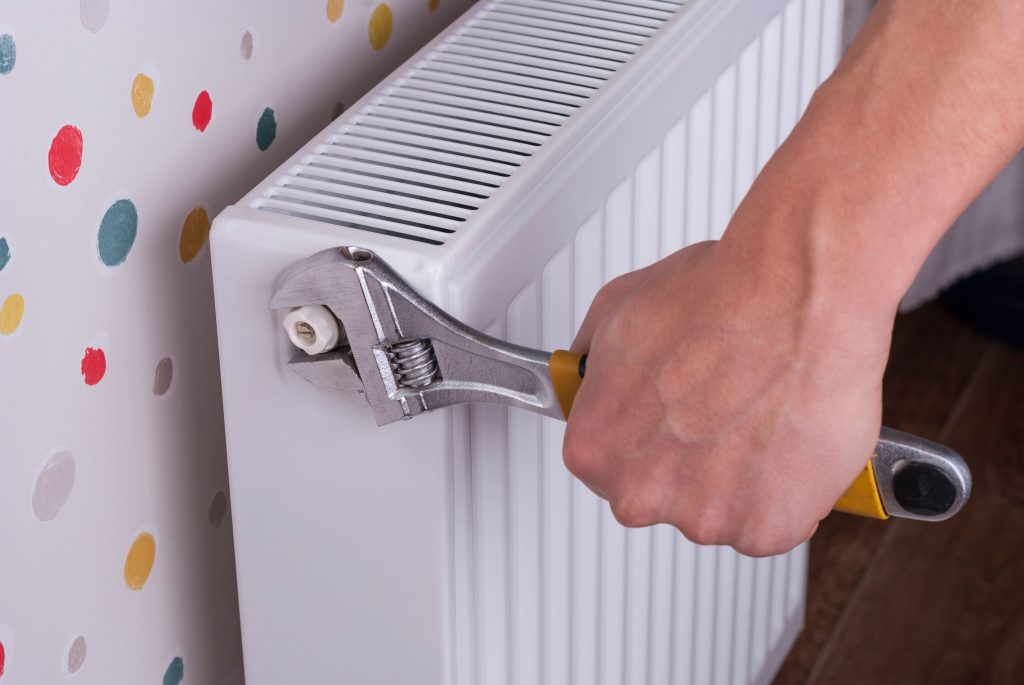
Before you begin, gather the right tools. Most radiators use a small bleed key that fits the bleed valve. Some use a flathead screwdriver style bleed valve. You will also want a small container or cup, a towel or cloth, and possibly gloves. The goal is to control any drips and avoid staining flooring or walls. You should also ensure your heating system has time to cool slightly so you do not risk burns from hot water.
For best results, turn the heating off and let the system settle. Many homeowners find bleeding is easier when water is not actively circulating at high temperature. If you are doing this during a cold Ontario week, you can still do it safely by turning the system off briefly, bleeding quickly, and then turning it back on. This approach supports bleed radiator boiler efficiency while keeping disruption minimal.
What To Do Before Touching The Bleed Valve
Start by turning off the boiler and waiting 15 to 30 minutes so water movement settles. Locate the bleed valve near the top of the radiator, usually on one side. Place a towel and a small container beneath the valve. Insert the bleed key and turn slowly. You should hear air release first. Once water flows steadily without air sputtering, close the valve gently.
Safety Notes Most People Miss
Open the valve slowly because trapped air can push water out faster than expected. Keep your face and hands away from the outlet. Do not over-tighten the valve when closing because that can damage the valve seat and cause leaks later. If the valve will not close, or if water continues to drip after you close it, stop and call a professional to protect your boiler system and bleed radiator boiler efficiency results.
Step By Step: How To Bleed A Radiator For Better Boiler Efficiency
Bleeding a radiator is straightforward, but doing it in the right order can make the results more consistent. Many homeowners start with the radiator farthest from the boiler, then work back toward the closest radiators, but the best method is to be consistent and bleed every radiator that shows signs of trapped air. If you only bleed one radiator, you may improve comfort in that room but still have air pockets elsewhere that reduce bleed radiator boiler efficiency across the whole home.
As you bleed, listen for the air release, watch for steady water flow, and close the valve carefully. Then move to the next radiator. When you finish, restart the boiler and check that each radiator warms evenly. It is common to notice faster heat-up and fewer cold tops after proper bleeding, which is exactly what bleed radiator boiler efficiency is about.
Best Order And Best Timing For Bleeding
If your system has multiple floors, start with the lowest level and move upward, or start with the farthest radiators and move closer, depending on your layout. The key is to be systematic so you do not miss one. Bleed radiator boiler efficiency improvements are stronger when the whole system is balanced, not just one room. After you finish, allow the system to run and verify that gurgling sounds are reduced and heat output is more even.
How To Know When You Are Done With Each Radiator
You are finished when air stops hissing and water flows in a steady stream without sputtering. At that point, close the valve firmly but gently. Wipe the area dry and check for drips. If you see repeated air returning to the same radiator within days, that may indicate a deeper issue like a leak, a failing air vent, or pressure problems that need professional Boiler service.
Common Bleeding Mistakes That Reduce Results
Bleeding can support bleed radiator boiler efficiency, but these common mistakes can reduce the benefit or create new problems:
- Leaving the thermostat calling for heat while bleeding, which keeps water moving and can make bleeding messy
- Over-opening the bleed valve, causing water to spray or drip excessively
- Forgetting to protect flooring with a towel and container
- Bleeding only one radiator even though multiple radiators have cold tops
- Ignoring boiler pressure after bleeding, leading to low circulation
- Over-tightening the bleed valve and damaging it
- Treating a steam radiator like a hydronic radiator and using the wrong method
What To Do After Bleeding Radiators
After you bleed radiators, your boiler pressure may drop. Check the pressure gauge when the system is cool or as recommended by your manufacturer. If pressure is too low, your system may not circulate properly and you may still see uneven heat. In many homes, the fill valve can be used to top up pressure, but it is important to follow your boiler instructions because over-pressurizing can create safety and performance issues. If you are not confident adjusting pressure, it is safer to call a professional so your bleed radiator boiler efficiency work does not create a new problem.
Once pressure is correct, restart the boiler and let the system run. Check radiators for even warmth and listen for reduced noises. If one radiator still has cold spots, you may need to bleed it again briefly. If the same radiator keeps trapping air, the system may be pulling in air through a leak or an automatic air vent may not be working properly. That is when a Boiler inspection from MACKAY Heating & Cooling is the smart next step.
Checking Boiler Pressure The Right Way
Look at your boiler pressure gauge and compare it to your boiler manual guidance. Many systems have a typical operating range, and your installer may have left notes. Bleed radiator boiler efficiency depends on both air removal and proper pressure, so this step matters. If the gauge is very low or drops repeatedly, do not ignore it, because that can indicate a leak or expansion tank issue.
When You Should Stop DIY And Call A Technician
Call for service if the bleed valve leaks, if pressure will not hold, if you have to add water frequently, or if your boiler shows error codes after bleeding. Also call if you smell anything unusual or see signs of corrosion or water around the boiler. Professional Boiler service can identify whether the system is losing water, pulling in air, or experiencing circulation problems that simple bleeding will not fix.
When Bleeding Does Not Solve The Efficiency Problem
Sometimes bleeding helps, but the system still feels inefficient. That usually means air was only one part of the issue. Sludge buildup, stuck valves, failing circulator pumps, thermostat control problems, or incorrect balancing can all reduce heat output and raise energy use. If you have radiators that are hot on one side and cold on the other, or if multiple radiators stay lukewarm even after bleeding, a deeper inspection is needed.
Natural Resources Canada provides guidance on maintaining heating systems and following manufacturer procedures for servicing equipment, which supports both efficiency and reliability. If you want better bleed radiator boiler efficiency outcomes year after year, it often includes an annual boiler check, a filter and airflow plan for your home, and occasionally system cleaning or balancing if the system is older.
Other Causes Of Uneven Radiator Heat
Air is common, but it is not the only culprit. Thermostatic radiator valves can stick, circulator pumps can weaken, and sludge can collect in low points. These issues can mimic trapped air because they also create cold spots and slow heating. If your boiler is older, consistent maintenance helps reduce the chance that these mechanical issues get mistaken for simple air problems.
How System Maintenance Protects Boiler Efficiency
Maintenance helps keep the boiler running cleanly, protects pumps and valves, and ensures pressure and expansion components work correctly. It also helps reduce the chance of repeat air issues by identifying leaks and venting problems early. If you want a natural internal link spot, mention Boiler and HVAC Services here because regular service is often the long-term answer behind stable bleed radiator boiler efficiency.
Bleeding Radiators As Part Of A Whole Home Comfort Plan
Many homes with boilers still have other comfort systems, especially in Niagara where some properties use a Boiler for heating and a separate Air Conditioning system for summer. Others use a Heat Pump for shoulder seasons with a boiler as a primary or secondary heat source. When you think about bleed radiator boiler efficiency, consider the whole comfort picture: air quality, humidity, and how your home holds heat.
This is also where Indoor Air Quality matters. Even though radiators do not blow air like forced-air systems, dust, humidity, and ventilation still affect comfort. If your home feels stuffy or humid, improving ventilation and humidity control can make the space feel warmer at a lower thermostat setting. That supports efficiency goals overall, and it pairs well with routine Boiler service.
How Radiator Heating Interacts With Indoor Air Quality
Radiators are comfortable because they warm spaces without strong air movement, but indoor air still needs proper ventilation. If humidity is too high, the home can feel clammy. If humidity is too low, the air can feel dry and irritating. Indoor Air Quality solutions, combined with stable heating output, help your home feel consistently comfortable throughout winter.
A Quick Note On Other MACKAY Heating & Cooling Services
If you are planning internal links, you can naturally connect Boiler work with HVAC Services for full-home comfort support. You can also reference Heat Pump, Furnace, Air Conditioning, Mini Split, Water Heater, and Indoor Air Quality as related services depending on your site structure. Many homeowners prefer a single team that can handle heating, cooling, and air quality under one plan.
Why Choose MACKAY Heating & Cooling
Bleeding radiators can improve comfort, but consistent bleed radiator boiler efficiency often depends on the boiler system being healthy overall. MACKAY Heating & Cooling helps homeowners diagnose recurring air issues, pressure drops, uneven heating, and boiler performance concerns so you are not stuck repeating the same quick fix every few weeks. If bleeding keeps solving the issue only temporarily, a technician can identify whether the system is pulling in air through a leak, whether an automatic vent is failing, or whether circulation and balancing need attention.
MACKAY Heating & Cooling can also support the bigger comfort picture around your boiler system, including Indoor Air Quality planning and coordinating with other equipment like Furnace, Heat Pump, Air Conditioning, Mini Split, and Water Heater service when a home has multiple systems. If you want strong internal link placement, this section is ideal for Boiler and HVAC Services, plus any system pages you want readers to explore next.
What A Boiler Efficiency Visit Should Cover
A proper visit should confirm boiler pressure stability, venting and safety, pump and valve performance, and radiator heating balance. It should also address why air is present, not just how to remove it. That is how you protect bleed radiator boiler efficiency long term and avoid repeat cold spots and gurgling noises.
Clear Recommendations Without Guessing
You should walk away with clear next steps, whether that is simple bleeding guidance, pressure adjustments, replacement of a leaking valve, or a maintenance plan that keeps the system stable through winter. A clear plan is often what turns occasional improvements into consistent bleed radiator boiler efficiency.
A Simple DIY Skill With Real Comfort Payoff
If your radiators are cold at the top or making gurgling sounds, trapped air is a likely cause, and bleeding can be the fix. When you bleed radiators properly, you restore hot water circulation, improve even heating, and support bleed radiator boiler efficiency across your home. The process is simple: turn the system off, use the right tool, release air until water flows steadily, close the valve gently, and confirm boiler pressure afterward.
If bleeding does not solve the problem, or if air keeps returning, it is time to get the system inspected. MACKAY Heating & Cooling can help with Boiler service and HVAC Services so your heating stays reliable and efficient through the Niagara winter. If you also want a cleaner-feeling home, ask about Indoor Air Quality options that support comfort along with steady radiator heat.
Frequently Asked Questions
- How often should I bleed radiator boiler efficiency systems in Ontario?
Most homeowners bleed once per heating season or whenever radiators develop cold tops or gurgling, but frequent bleeding can signal another issue. - Can bleed radiator boiler efficiency steps lower my heating bills?
Yes, if trapped air was preventing full heat output, bleeding can reduce run time and help rooms reach setpoint faster. - Is it safe to do bleed radiator boiler efficiency work myself?
It is usually safe for hydronic systems if you follow the steps carefully, protect flooring, and avoid over-opening the valve. - What if bleed radiator boiler efficiency improves one room but not others?
You may need to bleed additional radiators, check pressure, or have a technician inspect balancing, valves, or circulation issues. - Does bleed radiator boiler efficiency apply to steam radiators?
Steam systems work differently. Many steam radiators use vents instead of manual bleeding, so confirm your system type before proceeding. - Why does bleed radiator boiler efficiency work keep needing to be repeated?
Repeated air can indicate a leak, low pressure, a failing vent, or expansion tank issues. Professional Boiler service can identify the cause. - Should I check boiler pressure after bleed radiator boiler efficiency steps?
Yes. Bleeding can reduce pressure, and correct pressure helps circulation and stable heating. If pressure will not hold, schedule service.