When your air conditioner breaks down during a heat wave, the situation can feel urgent very quickly. Your home may become hot, humid, and uncomfortable within hours, especially if the sun is strong, upper floors trap heat, or family members are sensitive to high temperatures. Instead of panicking or repeatedly adjusting the thermostat, the best approach is to protect your household first, complete a few safe checks, and call a trusted HVAC professional before the system suffers more damage.
MACKAY Heating & Cooling helps Niagara homeowners respond to cooling emergencies with practical guidance, dependable service, and clear repair recommendations. This guide explains what to do when your air conditioner breaks down, how to stay safer during extreme heat, what warning signs require fast attention, and when repair or replacement may be the smarter next step. You will also see service names like Air Conditioning, HVAC Services, Heat Pump, Mini Split, Furnace, Indoor Air Quality, Boiler, and Water Heater for internal linking.
Put Your Household’s Safety First During Extreme Heat
When your air conditioner breaks down, your first priority should be people, not equipment. Move family members to the coolest part of the home, close blinds and curtains on sunny windows, drink water regularly, avoid heavy indoor activity, and limit heat-producing tasks like cooking with the oven. Health Canada recommends choosing cooler places during extreme heat, including air-conditioned locations or shaded areas, which is especially important for older adults, infants, young children, people with chronic illnesses, and anyone who may be more sensitive to heat.
If indoor temperatures keep rising, do not wait too long to leave for a cooler place. A library, mall, cooling centre, neighbour’s home, or another air-conditioned location may be safer while waiting for repairs. If your air conditioner breaks down and someone feels dizzy, faint, confused, nauseated, extremely weak, or unusually thirsty, treat the situation seriously. Heat-related illness can develop quickly during heat waves, so comfort and safety should guide your decisions before you worry about the AC unit itself.
Know Who Needs Extra Attention
Some people need extra care when your air conditioner breaks down, including seniors, babies, young children, people with breathing or heart conditions, pregnant people, and anyone taking medications that affect heat tolerance. Check on vulnerable family members often, keep pets in cooler areas, and consider leaving the home sooner if the temperature becomes difficult to manage. A heat wave is not the time to wait all day hoping the system starts again on its own.
Turn The AC Off If You Notice Serious Warning Signs
If your air conditioner breaks down but continues trying to run, look for warning signs before leaving it on. Turn the system off if you see ice on the refrigerant line, water leaking near the indoor unit, a burning smell, repeated breaker trips, loud grinding noises, or an outdoor unit that buzzes without starting. These symptoms can point to electrical stress, frozen coils, blocked drainage, poor airflow, failing motors, or compressor strain. Running the system in that condition can make the repair more expensive.
Do not keep lowering the thermostat because the home feels warm. If the system is not cooling, setting the thermostat lower only keeps calling for cooling that the equipment cannot provide. When your air conditioner breaks down in a heat wave, set the thermostat to OFF, keep the fan setting on AUTO, and wait for professional guidance. This simple step can reduce strain on Air Conditioning equipment and help protect parts until a technician arrives.
Why Repeated Breaker Resets Are Risky
If the breaker trips once, you may reset it one time. If it trips again, stop and call for HVAC Services. Repeated tripping can point to an electrical fault, weak compressor, failing motor, or wiring issue. When your air conditioner breaks down and the breaker keeps tripping, forcing the system to restart can create safety risks and may cause additional equipment damage.
Complete A Few Safe Checks Before Calling For Service
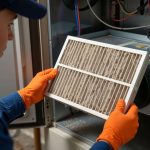
Before booking service, you can complete a few safe homeowner checks. Make sure the thermostat is set to COOL and the temperature setting is lower than the room temperature. Replace thermostat batteries if needed. Check the air filter and replace it if it is dirty. Confirm supply vents and return vents are open and not blocked by furniture, rugs, curtains, or storage. Look around the outdoor unit and gently clear leaves, grass, or debris from the surrounding area without opening panels.
Natural Resources Canada recommends regular filter inspection, cleaning, or replacement because dirty filters can affect system efficiency and even damage equipment. It also recommends planning cooling system maintenance in spring as seasons begin to change. If your air conditioner breaks down after a long period without service, the issue may involve restricted airflow, dirty coils, clogged drainage, weak electrical parts, or another maintenance-related concern that requires professional diagnosis.
What Not To Touch
Do not open electrical compartments, handle refrigerant lines, bypass safety switches, remove sealed panels, or pour chemicals into the drain line unless a qualified technician instructs you. When your air conditioner breaks down, guessing can turn a simple repair into a larger problem. Safe checks are useful, but anything involving wiring, refrigerant, sealed components, or repeated shutdowns should be left to trained HVAC professionals.
Ways To Stay Cooler While Waiting For AC Repair
When your air conditioner breaks down, waiting for service can feel uncomfortable, especially during a heat wave when many homeowners need emergency help at the same time. Small steps can reduce heat buildup and help your home feel more manageable until a technician arrives. Choose one cooler room as your temporary comfort area. In many homes, the basement or shaded main-floor room stays cooler than upper bedrooms.
These steps do not replace professional Air Conditioning repair, but they can help you manage the waiting period more safely. If indoor heat continues to build or anyone feels unwell, leave for an air-conditioned location instead of trying to push through the heat. MACKAY Heating & Cooling can help with the equipment, but your immediate safety comes first when your air conditioner breaks down during extreme weather.
- Close blinds, curtains, and shades on sunny windows
- Keep exterior doors closed as much as possible
- Avoid oven use and heavy appliance use
- Move to the basement or lowest comfortable level
- Drink water regularly throughout the day
- Reduce exercise and heavy indoor chores
- Check on children, seniors, pets, and vulnerable family members
- Turn off unnecessary lights and electronics
- Use fans only if they make you feel cooler
- Leave for a cooler location if indoor heat becomes unsafe
Use Fans Carefully
Fans can make air feel more comfortable, but they do not lower the actual room temperature. If the indoor air becomes extremely hot, fans may not be enough and can give a false sense of relief. When your air conditioner breaks down and the home feels unsafe, prioritize a cooler location, hydration, and professional service over trying to manage extreme indoor heat with fans alone.
Understand Why AC Systems Fail During Heat Waves
Heat waves place heavy demand on cooling equipment because the system may run for long cycles with little rest. If your air conditioner breaks down on one of the hottest days of the year, the cause may be a weak capacitor, failed contactor, motor problem, clogged air filter, dirty outdoor coil, frozen indoor coil, blocked condensate drain, thermostat issue, or refrigerant-related concern. Many of these problems develop slowly, then become obvious when the system is under maximum stress.
It is also important to remember that several problems can create the same symptom. Warm air does not automatically mean the system needs refrigerant. Water near the indoor unit does not always mean the drain is the only issue. Weak airflow could come from a dirty filter, blower problem, frozen coil, or duct restriction. When your air conditioner breaks down, a professional diagnosis helps identify the real cause instead of replacing parts based on guesswork.
Warm Air Does Not Always Mean Low Refrigerant
Many homeowners assume warm air means the AC only needs refrigerant, but low refrigerant usually points to a leak or another system issue. Warm air may also come from dirty coils, restricted airflow, electrical failure, thermostat problems, or an outdoor unit that is not operating. If your air conditioner breaks down, MACKAY Heating & Cooling can test the system properly and explain whether the issue is minor, urgent, or part of a larger cooling problem.
What To Expect From A Professional AC Repair Visit
When a technician arrives because your air conditioner breaks down, the appointment usually starts with questions. They may ask when the cooling stopped, whether the outdoor unit was running, whether the breaker tripped, whether you noticed water or ice, and whether the problem happened suddenly or slowly. These details help the technician narrow the diagnostic path and avoid unnecessary delays during a busy heat wave.
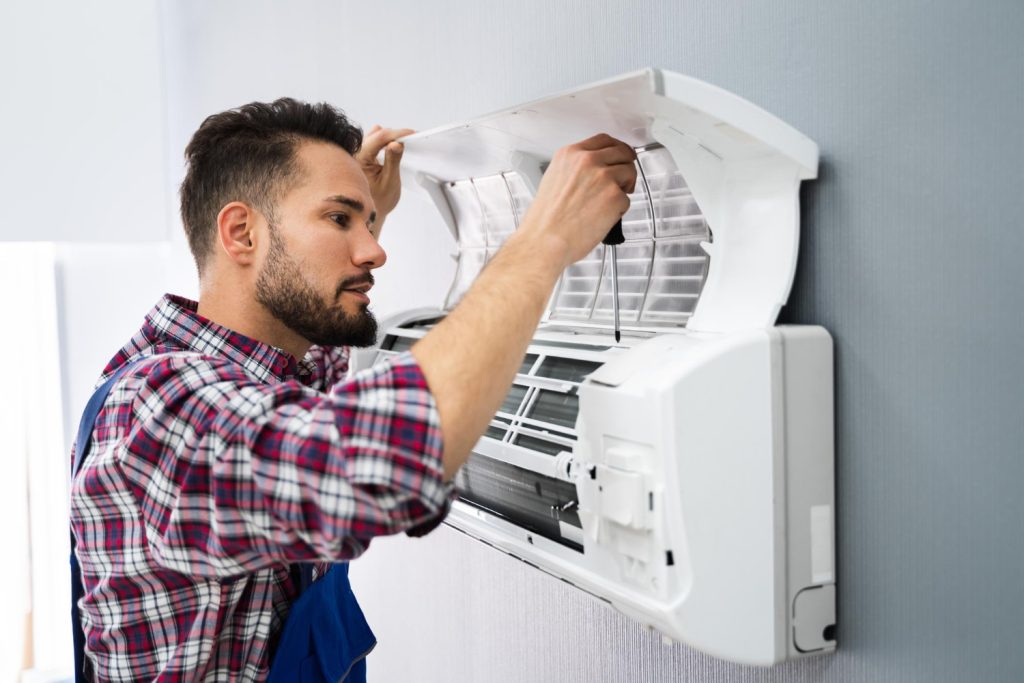
The technician may inspect the thermostat, air filter, blower, indoor coil, outdoor unit, electrical components, capacitor, contactor, fan motor, condensate drain, refrigerant performance, and overall system operation. A proper Air Conditioning repair visit should end with a clear explanation of what failed, what repair is recommended, whether parts are available, and whether the system is safe to run. When your air conditioner breaks down, clear communication matters because you need fast comfort without confusion.
Good Repair Service Should Be Clear
A trusted HVAC technician should explain the issue in plain language. You should know whether the problem is electrical, airflow-related, drainage-related, refrigerant-related, or connected to older equipment wear. When your air conditioner breaks down during extreme heat, you should not feel pressured or left guessing. A good repair visit gives you practical options and helps you decide the next step with confidence.
Should You Repair Or Replace The AC During A Heat Wave?
Repair may be the best choice if the system is newer, the problem is isolated, and the equipment has been maintained. A failed capacitor, clogged drain, thermostat issue, or minor electrical part can often be repaired without replacing the entire system. If your air conditioner breaks down but the unit is otherwise in good condition, a repair can restore cooling quickly and help you get through the heat wave.
Replacement becomes worth discussing when the system is older, repairs are frequent, refrigerant leaks keep returning, energy bills are rising, or comfort remains poor even after service. If your air conditioner breaks down every summer, that pattern may be telling you the system is no longer reliable. MACKAY Heating & Cooling can help compare repair, new Air Conditioning installation, a Heat Pump option, or a Mini Split for specific rooms that never cool properly.
Temporary Repairs Can Help You Plan
Sometimes a safe temporary repair can restore cooling while you plan replacement later. This can be helpful when the system is aging but the heat wave is urgent. If your air conditioner breaks down and replacement is likely soon, a technician can explain whether a short-term repair makes sense or whether money would be better invested in a new system.
How To Prevent Future Heat Wave Breakdowns
The best time to prevent a breakdown is before the next heat wave begins. Seasonal maintenance can check filters, coils, electrical components, condensate drainage, thermostat operation, airflow, and cooling performance. Natural Resources Canada’s air conditioning guidance notes that filter and coil maintenance can have a major impact on system performance and service life, which makes regular maintenance important for both comfort and long-term value.
Homeowners should also watch for early warning signs instead of waiting until the system stops. Long run times, weak airflow, noisy operation, rising energy bills, high humidity, or uneven cooling can all suggest the system needs attention. If your air conditioner breaks down once, use that experience as a reminder to schedule maintenance before the next cooling season. Preventive HVAC Services can reduce stress and help protect your home during future hot weather.
Build A Seasonal Maintenance Habit
Book cooling maintenance in spring or early summer, before the system is working hard every day. Replace filters regularly, keep the outdoor unit clear, and call for service if comfort changes. If your home has ongoing hot rooms, high humidity, or poor airflow, ask about Indoor Air Quality, Heat Pump, or Mini Split options that may support better comfort.
Why Choose MACKAY Heating & Cooling
When your air conditioner breaks down, you need a local team that understands urgency, comfort, and proper diagnosis. MACKAY Heating & Cooling helps Niagara homeowners find the cause of AC problems, explain repair options clearly, and restore cooling as safely and efficiently as possible. Whether the issue involves warm air, no airflow, frozen coils, electrical failure, leaking water, strange sounds, or humidity problems, the goal is to provide dependable service without confusion.
MACKAY Heating & Cooling also supports complete home comfort beyond emergency repair. If your cooling issue connects to Air Conditioning replacement, HVAC Services, Heat Pump solutions, Mini Split comfort, Furnace service, Indoor Air Quality, Boiler support, or Water Heater needs, the team can help you plan the right next step. This section is ideal for internal links to Air Conditioning, HVAC Services, Heat Pump, Mini Split, Furnace, Indoor Air Quality, Boiler, and Water Heater.
Local Help When Comfort Cannot Wait
A local HVAC team understands how quickly Niagara homes can heat up during humid summer weather. When your air conditioner breaks down, MACKAY Heating & Cooling can help you move from uncertainty to a clear repair plan. The right team should arrive prepared, inspect carefully, communicate honestly, and help you decide whether repair, maintenance, or replacement is the best path forward.
Stay Safe, Act Quickly, And Get Expert Help
When your air conditioner breaks down during a heat wave, start with safety. Keep your household cool, drink water, reduce heat inside the home, and leave for an air-conditioned location if indoor conditions become unsafe. Then complete only safe checks, such as thermostat settings, filter condition, blocked vents, and outdoor unit clearance. If the system shows warning signs like ice, leaks, burning smells, repeated breaker trips, or loud noises, turn it off and call a professional.
MACKAY Heating & Cooling is ready to help homeowners respond when cooling problems happen at the worst time. If your air conditioner breaks down, contact the team for Air Conditioning repair and HVAC Services, and ask about maintenance, Heat Pump options, Mini Split solutions, Indoor Air Quality, Furnace service, Boiler support, and Water Heater care for year-round comfort.
Frequently Asked Questions
- What should I do first when my air conditioner breaks down?
When your air conditioner breaks down, move everyone to the coolest area, reduce indoor heat, check the thermostat and filter safely, then call for professional Air Conditioning repair. - Should I turn off the system if my air conditioner breaks down?
Yes, turn it off if you see ice, leaks, burning smells, repeated breaker trips, or loud mechanical sounds. Running it may cause more damage. - Can a dirty filter make an air conditioner breaks down situation worse?
Yes. A dirty filter can restrict airflow, increase strain, cause poor cooling, and contribute to frozen coils or equipment shutdowns. - Is warm air always a refrigerant problem when my air conditioner breaks down?
No. Warm air can be caused by airflow issues, dirty coils, electrical failure, thermostat problems, or refrigerant concerns, so proper diagnosis is important. - How can I stay cool if my air conditioner breaks down during a heat wave?
Close blinds, avoid oven use, drink water, move to a lower level, use fans carefully, and leave for an air-conditioned location if the home becomes unsafe. - Should I repair or replace the AC after my air conditioner breaks down?
Repair may make sense for newer systems with isolated problems, while replacement may be better if breakdowns are frequent, the unit is older, or cooling remains poor.