Niagara Region winters can be long, damp, and unpredictable, and summers can swing from comfortable to humid fast. That mix makes heat pumps especially attractive because they can heat and cool from one system while helping reduce overall energy use when sized and installed correctly. Homeowners searching for energy efficient heat pumps are usually looking for two things at the same time: reliable comfort in cold weather and lower operating costs across the year.
In this guide, MACKAY Heating & Cooling breaks down what actually makes energy efficient heat pumps perform well in Niagara homes, which system types tend to be the best fit, and how to compare options without getting overwhelmed by specs. You will also see service names like Heat Pump, Furnace, Air Conditioning, Mini Split, HVAC Services, and Indoor Air Quality so you can add internal links when you are ready.
Why Heat Pumps Are A Smart Fit For Niagara Region Homes
Energy efficient heat pumps work by moving heat instead of generating it, which is why they can deliver strong efficiency in many Ontario conditions. Natural Resources Canada explains that heat pumps transfer heat rather than create it, making them an energy-efficient option for year-round home comfort. That matters in Niagara where you need steady heating during cold snaps and effective cooling during humid weeks, often within the same month during shoulder seasons.
Niagara homes also vary a lot in age, insulation levels, and duct design. That is why choosing energy efficient heat pumps is not just about buying a “high rating” unit. Performance depends on how the system matches your home, how it is installed, and how it is maintained. The best outcomes usually happen when the heat pump plan is tied to airflow, humidity control, and comfort goals for specific rooms, not just a single equipment swap.
What Makes A Heat Pump Energy Efficient
When people compare energy efficient heat pumps, they usually see terms like SEER, HSPF, and sometimes cold-climate performance claims. Natural Resources Canada’s EnerGuide information for air-source and ductless heat pumps explains that cooling efficiency is measured by SEER and that higher numbers generally mean better efficiency. The key is to treat ratings as a starting point, then confirm how a model performs in colder temperatures and how it handles partial loads, because Niagara homes rarely need full output all the time.
Another factor behind energy efficient heat pumps is how consistently they can modulate. Variable-speed compressors and fans help a unit run longer at lower output, which typically improves comfort and efficiency while reducing temperature swings. Combine that with good airflow and correct refrigerant charge, and you get a system that feels smoother, quieter, and more stable in both heating and cooling seasons.
Efficiency Ratings That Matter In Real Homes
Energy efficient heat pumps should be compared using the ratings you can trust, but you should also ask how those ratings translate to your exact home and climate. Look for reputable product listings and program eligibility requirements, especially if you plan to apply for incentives. A great next step is to compare a few models that meet the efficiency level you want, then evaluate which one fits your layout and comfort priorities.
Why Sizing And Airflow Change Efficiency More Than People Expect
Even the best energy efficient heat pumps can disappoint if they are oversized, undersized, or connected to ductwork that cannot move air properly. Oversizing can cause short cycling and humidity problems. Undersizing can lead to heavy reliance on backup heat during cold snaps. Airflow issues can make the system work harder and reduce comfort in the rooms you care about most, which is why sizing and duct evaluation should be part of the decision.
Best Types Of Energy Efficient Heat Pumps For Niagara Homes
There is no single “best” unit for every house, but there are system types that consistently work well in Niagara when installed properly. Most homeowners will choose between cold-climate air-source systems, ductless Mini Split options, and hybrid setups that pair a Heat Pump with a Furnace. All three can deliver excellent comfort and efficiency, depending on your home and how you use it, and all three can qualify as energy efficient heat pumps when selected with the right criteria.
The smartest approach is to start with your home’s constraints and goals: do you have ducts that are in good condition, do you have rooms that are always too cold or too hot, do you need stronger dehumidification in summer, and do you want a backup plan for extreme cold? Answering those questions helps narrow which energy efficient heat pumps make sense before you start comparing brand marketing claims.
Cold Climate Air Source Heat Pumps
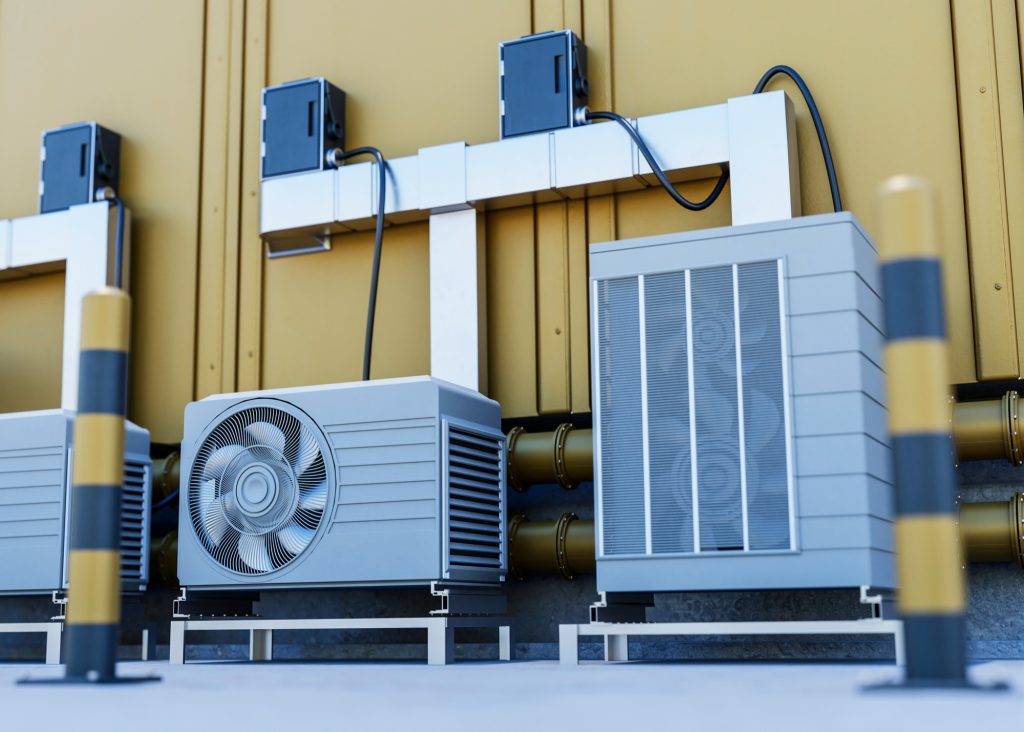
Cold-climate air-source systems are designed to perform better at lower outdoor temperatures, making them a strong option for Niagara heating needs. Many homeowners choose these energy efficient heat pumps when they want one primary system that can carry most of the heating load while still providing efficient cooling in summer. The best results come from selecting a unit that matches your heat loss needs and installing it with correct airflow and controls, so it can maintain comfort without overusing backup heat.
This is also where proper equipment matching matters. A cold-climate system should be evaluated with your home’s insulation, windows, and duct performance in mind. When you choose the right model and install it correctly, energy efficient heat pumps can deliver steady comfort across a wide range of outdoor conditions, including the damp cold that Niagara homeowners know well.
Ductless Mini Split Heat Pumps
A Mini Split is often the best path when ducts are limited, older, or when certain rooms never feel right. These energy efficient heat pumps provide zoned comfort, meaning you can condition the rooms you use most without forcing the entire house to run at the same level. That can be especially helpful in finished basements, additions, upper floors, and older Niagara homes with uneven airflow.
Ductless systems also make it easier to target comfort problems without major renovations. When installed thoughtfully, they can improve both heating and cooling performance while supporting better humidity control in summer. If your website has a Mini Split service page, this is a natural internal link location.
Hybrid Heat Pump And Furnace Systems
Hybrid setups combine a Heat Pump with a Furnace so the heat pump handles milder days efficiently and the furnace takes over when temperatures drop lower or when your home needs faster recovery. This option is popular for homeowners who want the benefits of energy efficient heat pumps while keeping familiar furnace performance for extreme cold snaps or unique comfort needs.
A hybrid system can also be a great match when your home already has a ducted Furnace and you want to upgrade the Air Conditioning side into a heat pump solution. Controls and thermostat configuration matter here because the system should switch modes at the right time to protect comfort and costs. If you plan internal links, this section works well for Heat Pump, Furnace, and Air Conditioning.
How To Compare Models Without Overthinking It
Shopping for energy efficient heat pumps can feel confusing because every brand highlights different numbers and features. The simplest way to compare is to focus on performance in Ontario conditions, eligibility for incentives, sound levels that match your neighbourhood and comfort preferences, and the installer’s ability to size and configure the system correctly. A good comparison process prevents you from choosing a unit that looks great on paper but struggles in your home.
Once you narrow to a short list, the next step is to confirm what your home actually needs. That includes heat loss considerations, duct condition, room-by-room comfort, and how you live in the space. Energy efficient heat pumps perform best when the design matches the home, not when the model is chosen first and the home is forced to adapt later.
- Choose a system type first: ducted, ductless Mini Split, or hybrid Heat Pump plus Furnace
- Compare cold-weather performance and whether backup heat is needed
- Confirm the unit meets incentive eligibility if you plan to apply
- Ask about variable-speed operation for comfort and efficiency
- Check sound ratings and placement options for the outdoor unit
- Confirm your installer will do proper sizing and airflow checks
- Plan for maintenance access and filter strategy for Indoor Air Quality
How To Choose The Right Size And Design For Your Home
Sizing is where many heat pump projects succeed or fail. Natural Resources Canada provides resources focused on best practices for heat pump sizing, selection, and installation, highlighting that proper design is critical to performance. In Niagara, a well-sized system should handle most of your heating needs efficiently while maintaining comfort during humid summers, without creating short cycling or temperature swings.
Design also includes where the outdoor unit is placed, how refrigerant lines are run, how indoor airflow is managed, and how controls are configured. If you have existing ductwork, it should be assessed for leakage, restrictions, and return airflow. If you are installing a Mini Split, the indoor head placement should reflect real airflow patterns and your room usage. These details matter as much as the choice of energy efficient heat pumps themselves.
Cold Weather Comfort Planning
Cold weather comfort depends on realistic heat loss and the right system strategy. Some homes can run primarily on energy efficient heat pumps with minimal backup, while others benefit from a hybrid approach or supplemental heating in specific rooms. The goal is to avoid surprises during the coldest weeks by designing for Niagara’s real winter conditions, not average days.
Ductwork And Airflow Considerations
If your system uses ducts, airflow becomes a make-or-break factor. Undersized returns, blocked pathways, or leaky runs can reduce comfort and efficiency. A careful airflow review can reveal whether a Heat Pump will perform well on your existing ducts or whether adjustments are needed. This is also a good place to connect Indoor Air Quality, since airflow and filtration work together.
Installation Details That Protect Efficiency Long Term
The best energy efficient heat pumps can lose performance if installation details are rushed. Refrigerant charge must be correct, airflow must be verified, and controls must be configured so the system can modulate properly. Outdoor unit placement matters for snow clearance, airflow, and noise. Indoor components need proper condensate drainage and service access so maintenance stays easy instead of ignored.
Installation quality also affects durability. Vibration isolation, line set routing, and electrical connections all contribute to how quietly and reliably the system runs. In Niagara, moisture and freeze-thaw cycles can be tough on exterior components, so weather-aware placement and secure mounting help protect your investment. A professional installer should also explain how to operate the system for best results, because energy efficient heat pumps often perform best when they are allowed to run steadily rather than being constantly adjusted.
Thermostat And Control Setup
Controls are especially important for hybrid systems, where the Heat Pump and Furnace need to switch at the right balance point. If the balance point is set poorly, you can lose the efficiency benefits or reduce comfort. A proper setup ensures the system uses the heat pump when it makes sense and relies on backup heat only when needed.
Commissioning And Performance Testing
Commissioning means verifying the system actually delivers what it should after install. That includes checking temperature rise, airflow, refrigerant performance, and proper staging. This is the moment when a great installer turns energy efficient heat pumps into great real-world comfort, because problems can be corrected before you live with them all winter.
Rebates And Programs That Can Lower The Cost
Incentives can make energy efficient heat pumps more affordable, but programs have specific rules and eligible equipment requirements. Natural Resources Canada’s Canada Greener Homes Initiative includes support for switching from oil heating to eligible heat pumps and outlines available grant amounts depending on the program path. If you are considering a heat pump project, it is worth checking eligibility early, because the process may involve an energy evaluation or other steps depending on the program.
Another helpful option is financing through federal initiatives. Natural Resources Canada’s Canada Greener Homes Loan provides information about interest-free loans for eligible retrofits, which can include heat pumps in many cases. The right plan depends on your current heating setup and which upgrades are recommended, so a contractor and energy advisor can help you align your project with the most relevant pathway.
What To Prepare Before You Apply
Gather basic details about your home, your current heating system, and your comfort goals. Confirm the heat pump type you want and whether your home may need supporting upgrades like insulation or air sealing to get the best results. When you align energy efficient heat pumps with a whole-home plan, you increase the chance of strong comfort and stronger incentive eligibility.
Why Incentive Eligibility Should Not Drive The Whole Decision
Programs are helpful, but the best long-term outcome still depends on correct design and installation. A heat pump that qualifies for incentives is not automatically the best match for your house. Use incentives as a cost support, then choose energy efficient heat pumps based on comfort, sizing, home layout, and installer quality.
Maintenance Tips To Keep Performance High
Energy efficient heat pumps stay efficient when filters are changed on schedule, outdoor coils stay clear, and indoor airflow is kept consistent. Niagara winters can bring snow and wind-driven debris, so it is important to keep the outdoor unit clear and maintain proper drainage. Regular checkups help confirm refrigerant performance, electrical health, and control settings, which prevents small issues from turning into comfort problems.
Maintenance also supports Indoor Air Quality, because clean filters and coils reduce dust circulation and improve airflow. If you have a ducted system, duct condition and return airflow should be monitored. If you have a Mini Split, filters and indoor head cleanliness matter more than many homeowners realize. With the right routine, energy efficient heat pumps can deliver stable comfort and predictable operating costs year after year.
Simple Homeowner Maintenance Habits
Replace or clean filters as recommended, keep vents open, and avoid blocking returns. Use consistent thermostat settings instead of frequent major swings, because steady operation often helps energy efficient heat pumps run more efficiently. If you notice new noises, reduced comfort, or ice patterns on the outdoor unit, schedule service early.
Professional Service Timing
Most homeowners benefit from seasonal checks, ideally before heavy heating season and before peak cooling season. A technician can verify performance, clean components, and confirm the system is operating safely and efficiently.
Why Choose MACKAY Heating & Cooling
Choosing energy efficient heat pumps is only half the job. The other half is making sure the system is designed for your home and installed with the details that protect comfort and efficiency. MACKAY Heating & Cooling helps Niagara homeowners select the right heat pump approach, whether that is a ducted Heat Pump upgrade, a Mini Split solution for hard rooms, or a hybrid pairing with a Furnace for winter confidence. The goal is reliable comfort without guessing and without buying features you will not use.
MACKAY Heating & Cooling also supports the full comfort ecosystem around heat pumps, including Air Conditioning performance, airflow improvements, and Indoor Air Quality strategies that make the home feel cleaner and more comfortable year-round. If you want internal links, this section is ideal for Heat Pump, Furnace, Air Conditioning, Mini Split, HVAC Services, and Indoor Air Quality because it naturally connects the services to the homeowner’s decision process.
What A Heat Pump Consultation Should Include
A strong consultation should cover your current system, room comfort issues, ductwork condition, and your goals for winter heating and summer cooling. You should also discuss placement, noise considerations, and whether a hybrid setup makes sense. That process is how energy efficient heat pumps become energy efficient outcomes in real homes.
Transparent Next Steps For Installation
You should leave with clear recommendations, a realistic timeline, and an understanding of what is included in the scope. This clarity helps you compare quotes fairly and avoid unexpected add-ons later. A well-planned project is usually smoother, quieter, and more comfortable from day one.
The Best Heat Pump Is The One That Fits Your Home
Energy efficient heat pumps can be an excellent upgrade for Niagara Region homes when you choose the right system type, size it correctly, and install it with care. The most important decision is not a brand name alone. It is the overall design: how the unit performs in cold weather, how it manages humidity in summer, how your airflow supports it, and how easily it can be maintained. When those pieces line up, energy efficient heat pumps deliver comfort that feels steady and costs that feel predictable.
If you are ready to explore options, MACKAY Heating & Cooling can help you compare energy efficient heat pumps based on your home, your comfort priorities, and your budget. Whether you need a Heat Pump upgrade, a hybrid match with a Furnace, a Mini Split for problem rooms, or related HVAC Services support, the right plan now can improve comfort for years to come.
Frequently Asked Questions
Are energy efficient heat pumps effective in Niagara Region winters?
Yes. Properly selected energy efficient heat pumps can heat well in Ontario conditions, especially cold-climate models designed for lower temperatures.How do I compare energy efficient heat pumps without getting lost in specs?
Start with system type and cold-weather performance, then confirm sizing and airflow for your home before choosing a model.Can energy efficient heat pumps replace my furnace completely?
Sometimes. Other homes do better with a hybrid setup that pairs energy efficient heat pumps with a Furnace for extreme cold periods.Do ductless systems count as energy efficient heat pumps?
Yes. Many Mini Split systems are energy efficient heat pumps and can be great for zoning and hard-to-heat rooms.Are there Canadian programs that support energy efficient heat pumps?
Yes. Natural Resources Canada lists support through the Canada Greener Homes Initiative and related loan options.Do energy efficient heat pumps also provide air conditioning?
Yes. Most energy efficient heat pumps provide both heating and cooling, functioning like Air Conditioning in summer.How often should energy efficient heat pumps be serviced?
Most homeowners benefit from seasonal maintenance to keep energy efficient heat pumps running efficiently and to protect comfort and Indoor Air Quality.