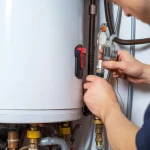
Choosing the right hot water system is a bigger decision than most homeowners expect. Your choice affects comfort, energy bills, maintenance, and usable space for the next decade or more. If you are comparing options, the phrase tankless water heater Niagara Region will keep popping up because on-demand systems are increasingly popular across St. Catharines, Niagara Falls, Welland, Thorold, Grimsby, and Fort Erie. This guide, written on behalf of MACKAY Heating & Cooling, gives you a clear, local answer on whether a tankless water heater Niagara Region upgrade or a traditional storage tank is the better fit for your home and budget.
You will learn how each technology works, how winter groundwater temperatures change sizing, what installation really takes, how to estimate household demand, and how to read efficiency labels without getting lost in jargon. We will also include practical checklists, a side-by-side comparison, and answers to the most common questions Niagara homeowners ask when planning a tankless water heater Niagara Region project.
How Water Heating Works In Niagara Homes
A reliable hot water system does three things: it heats water to a setpoint, it stores or produces it at the right moment, and it delivers that hot water at an acceptable flow. Understanding this simple flow helps you evaluate a tankless water heater Niagara Region solution against a traditional tank.
Storage tank heaters at a glance
A tank keeps 40 to 60 gallons hot and ready. When you open a tap, hot water leaves the tank and cold water enters to be reheated. Tanks are simple and proven, but they lose heat while waiting for use. Those standby losses are where a tankless water heater Niagara Region option starts to look attractive.
Tankless on-demand heaters at a glance
A tankless unit heats only the water you use. A flow sensor tells the burner or element to modulate instantly, delivering continuous hot water within its rated capacity. With a tankless water heater Niagara Region system you are paying to heat water only when a fixture is open, which can reduce wasted energy and free up floor space.
Climate Reality: Why Niagara Conditions Matter
The Niagara Region has distinct seasons with humid summers and winters that can dip well below freezing. These conditions shape how you size and select equipment.
- In summer, a tankless water heater Niagara Region unit benefits from warmer inlet water and delivers higher flow at set temperature.
- In winter, colder groundwater means the heater must raise the temperature more, which reduces the maximum flow a tankless can sustain.
- For storage tanks, winter conditions affect recovery time and how quickly the tank reheats after heavy use.
Designing correctly for a tankless water heater Niagara Region installation means sizing for the coldest realistic inlet temperature, not the mildest.
Traditional vs Tankless: What Really Changes
Comfort and convenience
- Storage tank: Delivers a large initial volume, then recovery begins. Multiple back-to-back showers can drain the tank if recovery is slow.
- Tankless: Provides continuous hot water within capacity. A properly sized tankless water heater Niagara Region setup supports long showers and overlapping use, provided total flow stays inside its rating.
Footprint and space
- Storage tank: Occupies floor space and requires clearance.
- Tankless: Wall hung and compact. Many homeowners switch to a tankless water heater Niagara Region option to reclaim storage or create a cleaner utility room.
Standby losses and energy
- Storage tank: Keeps water hot all day, which means heat loss even when you are away.
- Tankless: No standby tank to keep hot. A tankless water heater Niagara Region system fires only when hot water is demanded.
Upfront and ongoing cost
- Storage tank: Lower upfront cost.
- Tankless: Higher upfront cost in many homes, especially if gas lines, venting, or electrical service need upgrades. Operating costs often drop, which is why many Niagara households still choose a tankless water heater Niagara Region upgrade for long term value.
Sizing 101: Matching Hot Water To Your Life
Correct sizing is what separates a satisfying project from small daily frustrations.
Step 1: Map peak demand
List the fixtures that might run at the same time on busy mornings.
- Shower: 1.5 to 2.5 GPM depending on head
- Bathroom faucet: 0.5 to 1.0 GPM
- Kitchen faucet: 1.0 to 2.0 GPM
- Dishwasher and washing machine: variable
If two showers and a kitchen tap run together, you may need 4.5 to 6.0 GPM. A tankless water heater Niagara Region configuration must deliver that flow at your chosen temperature rise, not just at ideal lab conditions.
Step 2: Calculate temperature rise
Subtract winter inlet temperature from your desired outlet temperature. If winter inlet is 7 °C and you want 49 °C at the tap, your tankless water heater Niagara Region system must deliver about a 42 °C rise at your peak flow.
Step 3: First hour rating for tanks
For storage units, check the first hour rating, which blends tank volume and recovery rate. The right tank may still be the best answer if your family takes many showers in a tight window.
MACKAY Heating & Cooling performs these calculations for every tankless water heater Niagara Region proposal so your system performs when you need it most.
Efficiency Metrics You Will See
Understanding labels prevents apples-to-oranges comparisons.
- UEF (Uniform Energy Factor): Overall efficiency score. Higher is better.
- Recovery rate: How quickly a tank reheats.
- GPM at temperature rise: The most important line for a tankless water heater Niagara Region decision. Look for the flow listed at your real winter rise, not just at 25 °C rise.
- Condensing vs non-condensing: Condensing gas models extract more heat from exhaust for higher efficiency.
For neutral, government education on water heating and home efficiency, review Natural Resources Canada:
Installation Realities In Niagara Homes
A clean, code compliant installation is essential for performance and safety.
Gas and venting
Many tankless water heater Niagara Region projects require a larger gas line to supply full output. Vent materials and lengths must meet manufacturer specs, and condensing units need condensate routing and neutralization.
Electrical needs
Electric tankless units can require significant amperage. Gas tankless units still need a dedicated electrical circuit for controls, fans, and freeze protection. Heat pump water heaters, if you are considering high efficiency electric storage, typically need a dedicated circuit and adequate room air volume.
Recirculation options
Long plumbing runs may trigger long waits for hot water at far fixtures. A tankless water heater Niagara Region installation can include a recirculation loop or demand pump to deliver faster hot water with minimal energy use.
Location and clearance
Outdoor terminations must be placed clear of snow and landscaping. Indoor units need working clearance for safe service. MACKAY Heating & Cooling evaluates these details on site for every tankless water heater Niagara Region estimate.
Maintenance: Keeping Performance High
Every system benefits from a simple maintenance plan.
- Tankless: Annual descaling in hard water areas, cleaning inlet screens, checking venting and condensate. A tuned tankless water heater Niagara Region unit maintains capacity and efficiency.
- Storage tank: Flushing to control sediment, anode inspection, temperature checks, leak watch.
- Heat pump storage: Filter cleaning and occasional coil dusting keep efficiency high.
Small annual steps prevent bigger failures and help a tankless water heater Niagara Region installation deliver its promised savings.
Cost And Payback: A Realistic View
Upfront costs for a tankless water heater Niagara Region project are often higher, primarily due to gas piping or venting upgrades and the addition of isolation valves for maintenance. Over time, many homes see lower fuel use and appreciate the continuous hot water and space savings. Storage tanks still make sense where budget is tight, space is ample, and usage patterns suit a large reservoir with steady recovery.
MACKAY Heating & Cooling prepares side-by-side proposals that show installed price, estimated operating cost, and expected lifespan so your tankless water heater Niagara Region decision is grounded in numbers, not guesses.
10 Smart Add-Ons That Improve Any Water Heater
- Mixing valve for safer, consistent outlet temperatures
- Leak detector with auto shutoff to protect finished spaces
- Demand controlled recirculation for distant bathrooms
- Insulated hot water lines to reduce heat loss
- Sediment filter where needed to protect valves and exchangers
- Surge protection for boards in modern tankless units
- Deep drip pan with drain under tanks in tight spaces
- Condensate neutralizer for condensing gas units
- App-enabled monitoring for alerts and basic usage data
- Proper combustion air provision for gas appliances
Each of these upgrades pairs well with a tankless water heater Niagara Region project or a high quality tank replacement.
Who Should Choose What: Quick Scenarios
Busy morning household with back-to-back showers
A correctly sized tankless water heater Niagara Region setup shines here, provided total simultaneous flow is within rating. Add a smart recirculation pump for near-instant hot water.
Compact home or finished mechanical room
Wall mounting a tankless water heater Niagara Region unit clears valuable floor space and creates a tidy, modern layout.
Tight budget and predictable usage
A quality storage tank with the right first hour rating can be the best value. When sized and installed well, a tank still serves many Niagara homes reliably.
Electrification goals
A high efficiency heat pump water heater is worth evaluating, especially in homes without gas. It is not tankless, but it brings strong electric savings and can suit many Niagara Region basements.
Safety And Code Considerations
Professional installation protects your home and warranty.
- Gas leak checks, combustion analysis, and draft verification
- Correct vent materials and slopes
- Backflow prevention and temperature limiting for domestic hot water
- Electrical circuit sizing and GFCI where required
- Clearances and serviceability for your tankless water heater Niagara Region or tank installation
MACKAY Heating & Cooling follows manufacturer instructions and local code on every job, then documents commissioning results for your records.
Why Niagara Homeowners Are Switching To Tankless
The most common reasons we hear:
- Continuous hot water for growing families
- Space savings in smaller mechanical rooms
- Lower energy waste by eliminating standby losses
- Cleaner look and quieter operation
- Simple maintenance once isolation valves are installed
A properly designed tankless water heater Niagara Region system solves real daily frustrations while modernizing your home’s mechanical core.
Why Choose MACKAY Heating & Cooling
Selecting, sizing, and commissioning a tankless water heater Niagara Region system is an engineering decision, not a guess. MACKAY Heating & Cooling helps you evaluate all viable paths, including premium tanks, condensing tankless units, and heat pump water heaters. We:
- Calculate peak flows and winter temperature rise to right-size your system
- Verify gas or electrical capacity and design venting routes
- Offer demand recirculation options for faster hot water with minimal energy use
- Commission equipment with documented readings and homeowner training
- Provide maintenance plans that keep performance high year after year
When you choose MACKAY Heating & Cooling, your tankless water heater Niagara Region project comes with clear options, transparent pricing, and workmanship you can trust.
Choose Confidence, Not Compromise
For many households, a tankless water heater Niagara Region upgrade delivers better comfort, cleaner mechanical rooms, and lower wasted energy. For others, a right-sized storage tank is still the simplest and most economical answer. The best choice is the one matched to your fixtures, your peak-hour routine, and your utility setup.
If you are ready to compare a tankless water heater Niagara Region installation against traditional tanks with clear numbers and a clean plan, reach out to MACKAY Heating & Cooling. We will size it correctly, install it cleanly, and support it for years to come.
Frequently Asked Question
1) Will a tankless water heater Niagara Region installation really give me endless hot water?
Yes, within its capacity. A properly sized tankless water heater Niagara Region system provides continuous hot water for as long as fixtures are open, as long as total flow stays within the unit’s rating at winter temperature rise.
2) Is a tankless water heater Niagara Region project always more efficient than a tank?
Often, because there are no standby losses. Actual savings depend on usage patterns. In many Niagara homes a tankless water heater Niagara Region solution reduces fuel use compared to a standard tank.
3) How do winter temperatures affect a tankless water heater Niagara Region system?
Colder inlet water means the heater must lift temperature more, which reduces maximum flow. We size your tankless water heater Niagara Region unit for the realistic winter rise so peak-time performance stays strong.
4) Do I need a bigger gas line for a tankless water heater Niagara Region upgrade?
Sometimes. Many condensing units require larger gas supply than a typical tank. We inspect and design the gas path so your tankless water heater Niagara Region installation runs at full output safely.
5) Can I get faster hot water at distant taps with a tankless water heater Niagara Region setup?
Yes. A demand or timed recirculation system pairs well with a tankless water heater Niagara Region installation to shorten wait times and limit water waste.
6) What maintenance does a tankless water heater Niagara Region system need?
Annual descaling in hard water areas, screen cleaning, vent and condensate checks, and general inspection. With basic care, a tankless water heater Niagara Region unit remains efficient for many years.
7) How do I decide between a tank and a tankless water heater Niagara Region solution?
Consider peak flow needs, space, budget, and energy priorities. We will estimate installed cost, operating cost, and expected lifespan for both a tank and a tankless water heater Niagara Region system so you can choose with confidence.